
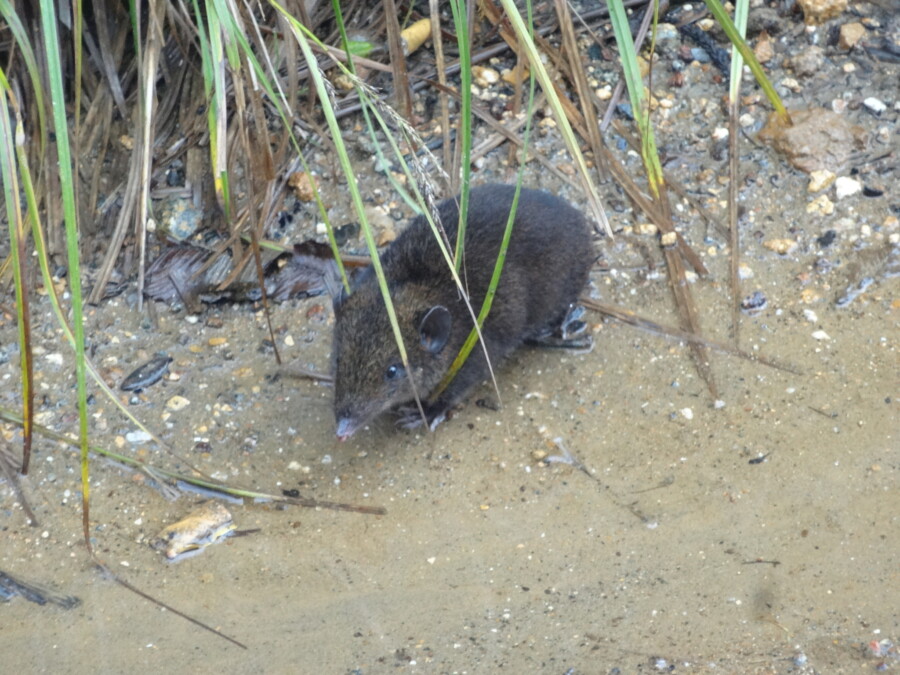
Some people who study animals found five new kinds of small, furry animals with pointy noses in the forests of South East Asia. They went on trips to the forest and looked at old animal bones and skins in museums. They found two new kinds in the museums and three in the forest. A smart person named Dr. Melissa said finding these animals is very important because it shows there are many different kinds of life in the world, and we need to take care of the forests where they live.
The small, furry animals are part of a family called Hylomys, and they live in South East Asia. Before, people only knew about two kinds, but now they know about seven. These animals are not like the hedgehogs with sharp spikes; they have soft fur. Another smart person, Dr. Arlo, said this is a big deal because the forests where these animals live are going away very fast.
Original news source: Five new soft-furred hedgehog species discovered (BBC)
🎧 Listen:
📖 Vocabulary:
Group or Classroom Activities
Warm-up Activities:
– Charades
Instructions: Divide the class into two teams. Write down the names of the five new kinds of animals on separate pieces of paper and put them in a hat. One person from each team will take turns picking a piece of paper and acting out the animal without using any words. The team members will have to guess the name of the animal. The team that guesses the most animals correctly wins.
– News Summary
Instructions: Read the article out loud to the class. Then, have the students take turns summarizing the main points of the article in their own words. Encourage them to use simple sentences and key vocabulary from the article.
– Vocabulary Pictionary
Instructions: Write down key vocabulary words from the article on separate pieces of paper and put them in a hat. Divide the class into pairs. One person from each pair will pick a word from the hat and have to draw a picture to represent that word. The other person will have to guess the word based on the drawing. The pair that guesses the most words correctly wins.
– Speed Summarizing
Instructions: Divide the class into pairs. Give each pair a copy of the article. Set a timer for 2 minutes. Students will take turns summarizing the article to their partner within the 2-minute time limit. After each turn, they will switch roles. The goal is to summarize the article as quickly and accurately as possible.
– Think-Pair-Share
Instructions: Ask the students to think about the following question: "Why is it important to discover new kinds of animals?" Give them a few minutes to think about their answer. Then, have them pair up with a partner and share their thoughts. After the discussion, ask a few pairs to share their answers with the whole class.
🤔 Comprehension Questions:
They found five new kinds of small, furry animals with pointy noses.
They looked at old animal bones and skins in museums and went on trips to the forest.
They found two new kinds in the museums.
They found three new kinds in the forest.
Dr. Melissa said finding these animals is important because it shows there are many different kinds of life in the world, and we need to take care of the forests where they live.
The small, furry animals belong to the family called Hylomys.
Dr. Arlo said it is a big deal because the forests where these animals live are disappearing very fast.
🎧✍️ Listen and Fill in the Gaps:
Some people who study animals found five new kinds of small, furry animals with pointy noses in the forests of South Asia. They went on to the forest and looked at old animal bones and skins in museums. They found two new kinds in the museums and three in the forest. A person named Dr. Melissa said finding these animals is very important because it there are many different kinds of life in the world, and we need to take care of the forests where they live. The small, furry animals are part of a family called , and they live in South East Asia. Before, only knew about two kinds, but now they know about seven. These animals are not like the hedgehogs with sharp spikes; they have fur. Another smart person, Dr. Arlo, said this is a big deal because the forests where these animals are going away very fast.
💬 Discussion Questions:
1. What is a forest?
2. How do you think the animals felt when the people found them?
3. Do you like animals with soft fur? Why or why not?
4. How would you feel if you saw a new kind of animal that no one had ever seen before?
5. What do you think it means to "take care of" the forests?
6. Do you think it's important to study animals? Why or why not?
7. Have you ever been to a museum? What did you see there?
8. What do you think the new animals look like?
9. How do you think the forests are going away?
10. Why do you think it's a big deal that the forests are going away?
11. Do you think it's important to protect animals and their homes? Why or why not?
12. Have you ever seen a hedgehog? What did it look like?
Individual Activities
📖💭 Vocabulary Meanings:
Click a dot next to a word, then click the dot next to its meaning to draw a line connecting them.
Words
Meanings
🔡 Multiple Choice Questions:
🕵️ True or False Questions:
📝 Write a Summary:
Write a summary of this news article in two sentences.
Check your writing now with the best free AI for English writing!