The outcome of the 2024 U.S. presidential election has created significant unrest within the country and has reverberated globally, leading to varying interpretations of the event's implications. In light of this divisive atmosphere, the Merriam-Webster dictionary has chosen "polarization" as its word of the year. Peter Sokolowski, the editor at large of Merriam-Webster, explained that polarization refers to a specific type of division that pushes individuals toward extreme viewpoints rather than fostering a middle ground.
The election was characterized by intense division, with many voters perceiving the opposing candidate as a serious threat to the nation's well-being. A survey conducted by AP VoteCast, which included over 120,000 voters, revealed that approximately 80% of those who voted for Kamala Harris expressed concerns about Donald Trump's views being too extreme. Similarly, around 70% of Trump supporters felt that Harris's views were excessively radical. This stark contrast illustrates the deep-seated divisions that have emerged within the American electorate.
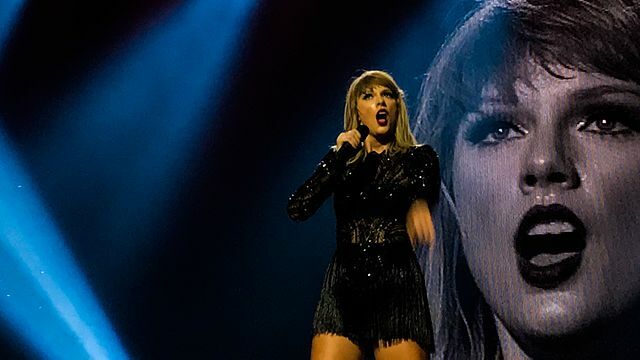
Merriam-Webster's selection of "polarization" is not merely a reflection of political discourse; it also highlights broader societal fractures. The term is often used to describe significant disagreements in various contexts, including pop culture and technology. For instance, controversies surrounding celebrities or events, such as Taylor Swift's private jet usage or disputes between musicians, have also been labeled as polarizing. This indicates that polarization is a pervasive phenomenon affecting multiple aspects of contemporary life.
Interestingly, the term "polarization" has its roots in the early 1800s, making it a relatively recent addition to the English language. Sokolowski noted that while the word is frequently associated with political discussions, it also applies to other areas of society. He emphasized that the dictionary's role is to provide an objective understanding of words, especially in an age where misinformation is prevalent. The choice of "polarization" as the word of the year underscores the importance of recognizing the divisions that exist in society.
In addition to "polarization," Merriam-Webster has identified several other notable words that have gained prominence in 2024. These include "demure," "fortnight," and "totality," among others. Each of these words reflects current cultural trends and societal interests, demonstrating how language evolves in response to contemporary events. The consistent interest in words such as "democracy" also suggests that people are increasingly engaged with the concepts that shape their political landscape, highlighting a collective desire for understanding and clarity in a complex world.
Original news source: ‘Polarization’ is Merriam-Webster’s 2024 word of the year (AP News)
🎧 Listen:
📖 Vocabulary:
Group or Classroom Activities
Warm-up Activities:
– OPINION POLL
Instructions: Students will be divided into small groups and asked to create a poll related to the article's themes, such as "Do you believe polarization is a significant issue in society?" Each group will gather responses from the class and share the results, discussing the differing opinions within the group.
– HEADLINE CREATION
Instructions: Students will work in pairs to come up with catchy headlines for the article. They should consider the main themes such as polarization, division, and societal impact. After creating their headlines, pairs will share them with the class, and the group will vote on the most compelling one.
– VOCABULARY PICTURIONARY
Instructions: One student will choose a word from the article (e.g., polarization, democracy) and draw it on the board without using letters or numbers. The rest of the class will attempt to guess the word being illustrated. This activity will help reinforce vocabulary understanding in a fun and engaging way.
– MIND MAP
Instructions: Students will create a mind map on a large sheet of paper or digitally, starting with the central word "polarization." They will branch out to include related concepts, examples from the article, and their own ideas about the impact of polarization in society. Afterward, they will present their mind maps to the class.
– FUTURE PREDICTIONS
Instructions: Students will discuss in pairs or small groups how they think polarization will evolve in the future. They will consider factors such as technology, social media, and political changes. After the discussion, each group will share their predictions with the class, fostering dialogue on the potential consequences of increasing polarization.
🤔 Comprehension Questions:
Polarization refers to a specific type of division that pushes individuals toward extreme viewpoints rather than fostering a middle ground.
Many voters perceived the opposing candidate as a serious threat to the nation's well-being.
Approximately 80% of those who voted for Kamala Harris expressed concerns about Donald Trump's views being too extreme.
The term "polarization" is also applied in contexts such as pop culture and technology, including controversies surrounding celebrities or events.
The term "polarization" has its roots in the early 1800s, making it a relatively recent addition to the English language.
The selection of "polarization" highlights broader societal fractures and the significant disagreements that exist in various aspects of life.
Other notable words identified include "demure," "fortnight," and "totality," among others.
The consistent interest in words like "democracy" suggests that people are increasingly engaged with the concepts that shape their political landscape, highlighting a collective desire for understanding and clarity in a complex world.
🎧✍️ Listen and Fill in the Gaps:
The outcome of the 2024 U.S. presidential election has created significant unrest within the country and has reverberated globally, leading to varying interpretations of the event's implications. In light of this atmosphere, the Merriam-Webster dictionary has chosen "polarization" as its word of the year. Peter Sokolowski, the at large of Merriam-Webster, explained that polarization refers to a specific type of division that pushes individuals toward viewpoints rather than fostering a middle ground. The election was characterized by intense division, with many perceiving the opposing candidate as a serious threat to the nation's well-being. A survey conducted by AP VoteCast, which included over 120,000 voters, revealed that approximately 80% of those who voted for Kamala Harris expressed concerns about Donald Trump's views being too extreme. Similarly, around 70% of Trump supporters felt that Harris's views were excessively radical. This stark contrast illustrates the deep-seated divisions that have emerged within the American electorate. Merriam-Webster's selection of "polarization" is not merely a reflection of discourse; it also highlights broader societal fractures. The term is often used to describe significant in contexts, including pop culture and technology. For instance, surrounding celebrities or events, such as Taylor Swift's jet usage or disputes between , have also been labeled as polarizing. This indicates that polarization is a pervasive phenomenon affecting multiple aspects of contemporary life. Interestingly, the term "polarization" has its roots in the early 1800s, making it a relatively recent addition to the English language. Sokolowski noted that while the word is frequently associated with political discussions, it also to other areas of society. He emphasized that the dictionary's role is to an objective understanding of words, especially in an age where misinformation is prevalent. The choice of "polarization" as the word of the year underscores the importance of recognizing the divisions that exist in society. In addition to "polarization," Merriam-Webster has identified several other notable words that have prominence in 2024. These include "demure," "fortnight," and "totality," among others. Each of these words reflects current cultural trends and interests, demonstrating how language evolves in to contemporary events. The consistent interest in words such as "democracy" also suggests that people are increasingly engaged with the concepts that shape their political landscape, highlighting a collective for understanding and clarity in a complex world.
💬 Discussion Questions:
1. What is a significant political event in your country that has caused polarization among its citizens?
2. How would you feel if you were in a situation where your friends held opposing political views?
3. Do you think polarization is a natural part of political discourse? Why or why not?
4. What is a topic that you believe has become polarized in recent years?
5. How do you think social media contributes to the polarization of opinions?
6. Do you like discussing politics with others, even if they have different viewpoints? Why or why not?
7. How would you respond if someone you respect had an extreme viewpoint that you strongly disagreed with?
8. Do you think that polarization can ever lead to positive outcomes in society? Why or why not?
9. What is a personal experience you’ve had that reflects the concept of polarization?
10. How do you think education can play a role in reducing polarization among individuals?
11. Do you believe that celebrities have a responsibility to address polarizing issues in their public platforms? Why or why not?
12. How would you feel if you were asked to choose sides in a polarized debate?
13. What is a way you think individuals can bridge the divide created by polarization?
14. Do you think that the use of certain words, like "polarization," can influence people's perceptions of issues? Why or why not?
15. How do you think the concept of polarization affects younger generations compared to older generations?
Individual Activities
📖💭 Vocabulary Meanings:
Click a dot next to a word, then click the dot next to its meaning to draw a line connecting them.
Words
Meanings
🔡 Multiple Choice Questions:
🕵️ True or False Questions:
📝 Write a Summary:
Write a summary of this news article in two sentences.
Check your writing now with the best free AI for English writing!