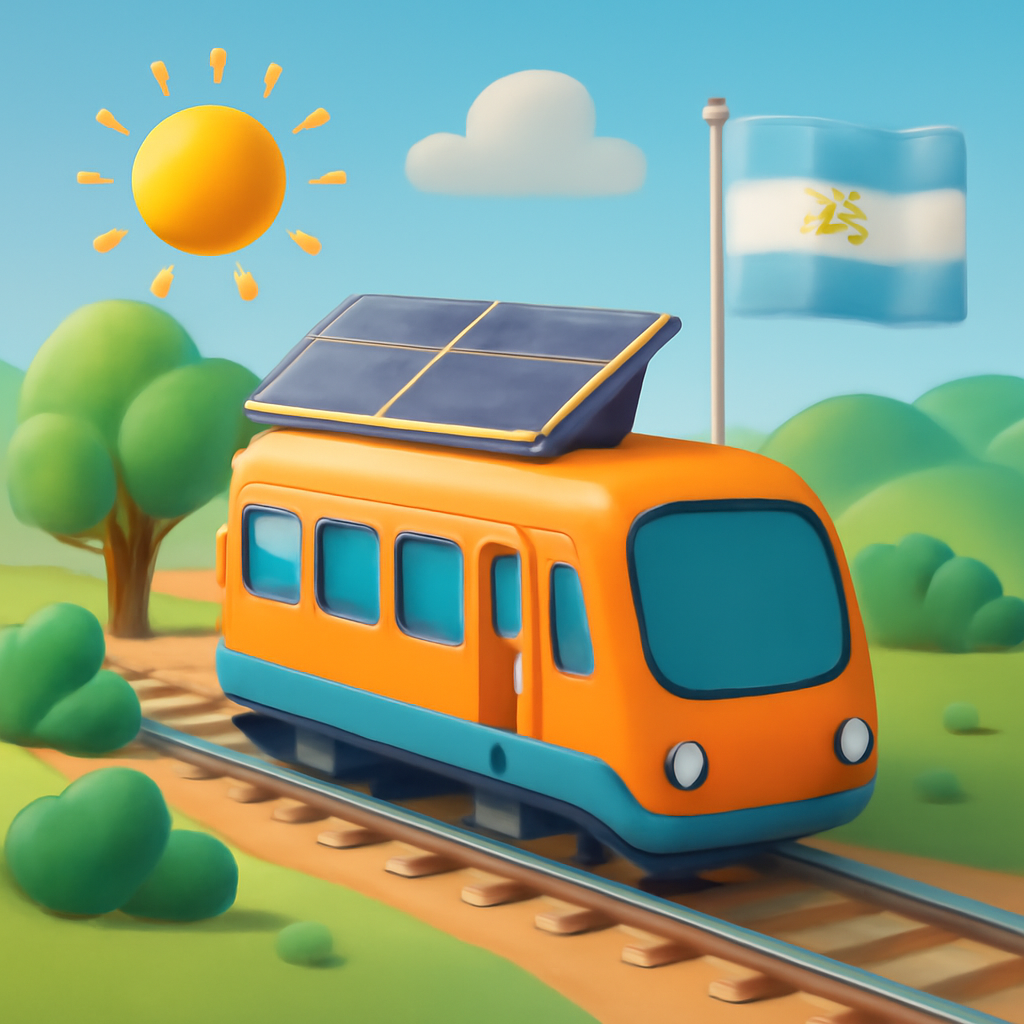
Argentina recently launched a pioneering solar-powered train, offering a unique blend of sustainable travel and cultural exploration. Known as the Quebrada Solar Train, it traverses the scenic Quebrada de Humahuaca valley—a UNESCO World Heritage site. This historic region is rich with indigenous traditions, tracing back over 10,000 years through hunter-gatherers, Incan messengers, and colonial traders.
The train, operational since June 2024, features panoramic glass windows that showcase the valley’s vibrant landscapes, including the famous Hill of Seven Colors. Aboard, travelers can opt for various experiences, including a comprehensive 360-degree trip with on-ground explorations of trail paths and ancient villages steeped in pre-Columbian, Inca, and Spanish history.
While the immediate draw is the breathtaking scenery and cultural richness, the train embodies a broader goal: sustainable tourism and economic upliftment for local indigenous communities. It is a zero-emissions initiative that champions environmental respect and cultural preservation, providing economic opportunities by attracting more visitors to these heritage sites.
The journey seamlessly blends passive observation with active participation. Guided visits reveal the enduring traditions practiced by the Omaguaca people, from handcrafts to spiritual rituals like offerings to Pachamama, underscoring resilience in preserving culture. These experiences reinforce community identity and pride, providing insight into an ancient cultural mosaic intact over millennia.
The Quebrada Solar Train not only offers an environmentally conscious way to travel but it also seeks to revitalize historical villages and support local sustainability. By investing in this project, Argentina demonstrates a commitment to protecting its rich cultural tapestry while integrating modern sustainable practices, ensuring a lasting impact for future generations.
Original news source: Ride Argentina's first solar train through 10,000 years of Indigenous history (BBC)
🎧 Listen:
📖 Vocabulary:
Group or Classroom Activities
Warm-up Activities:
1. Share a place you would love to explore by train and why.
2. Discuss the importance of sustainability in travel.
3. Have you ever traveled on a train? Share your experience.
4. What comes to mind when you think of Argentina?
5. Describe an unforgettable travel experience you've had.
🤔 Comprehension Questions:
It is a solar-powered train offering sustainable travel and cultural exploration in Argentina.
The train travels through the Quebrada de Humahuaca valley, a UNESCO World Heritage site.
The train became operational in June
Passengers can enjoy a 360-degree trip with explorations of ancient trails and villages.
The train provides economic opportunities and sustainable tourism, helping indigenous communities.
Guided visits highlight the Omaguaca people’s handcrafts and spiritual rituals.
🎧✍️ Listen and Fill in the Gaps:
Argentina recently launched a train, offering a unique blend of sustainable travel and cultural . Known as the Solar Train, it traverses the scenic Quebrada de Humahuaca valley—a UNESCO World Heritage site. This historic region is rich with indigenous traditions, tracing back over 10,000 years through hunter-gatherers, Incan messengers, and colonial traders. The train, operational since June 2024, features panoramic glass windows that showcase the valley’s vibrant landscapes, including the Hill of Seven Colors. Aboard, travelers can opt for various experiences, including a comprehensive 360-degree trip with on-ground explorations of paths and ancient villages steeped in pre-Columbian, Inca, and Spanish history. While the immediate draw is the breathtaking scenery and cultural richness, the train embodies a broader goal: sustainable and economic for local indigenous communities. It is a zero-emissions initiative that champions environmental respect and cultural , providing economic opportunities by more visitors to these heritage sites. The journey blends passive observation with active participation. Guided visits reveal the enduring traditions practiced by the Omaguaca people, from handcrafts to spiritual rituals like offerings to Pachamama, resilience in preserving culture. These experiences reinforce community identity and pride, providing insight into an ancient cultural mosaic intact over millennia. The Quebrada Solar Train not only offers an environmentally conscious way to travel but it also seeks to revitalize villages and support local sustainability. By investing in this project, demonstrates a commitment to protecting its rich cultural tapestry integrating modern sustainable practices, a lasting impact for future generations.
💬 Discussion Questions:
1. How does sustainable travel impact local communities?
2. What role does cultural preservation play in tourism?
3. Can technological advancements and heritage coexist in tourism?
4. Discuss the benefits and challenges of zero-emission initiatives.
5. How do you think travel can promote environmental awareness?
6. Should governments invest more in sustainable tourism projects?
7. What can travelers do to respect the cultures they visit?
8. How important is it to maintain a country's cultural identity?
9. What are the potential downsides of increased tourism in heritage sites?
10. Share your opinion on the balance between development and preservation.
11. How do cultural experiences enrich travel?
12. In what ways can tourism contribute to economic upliftment?
Individual Activities
📖💭 Vocabulary Meanings:
Click a dot next to a word, then click the dot next to its meaning to draw a line connecting them.