

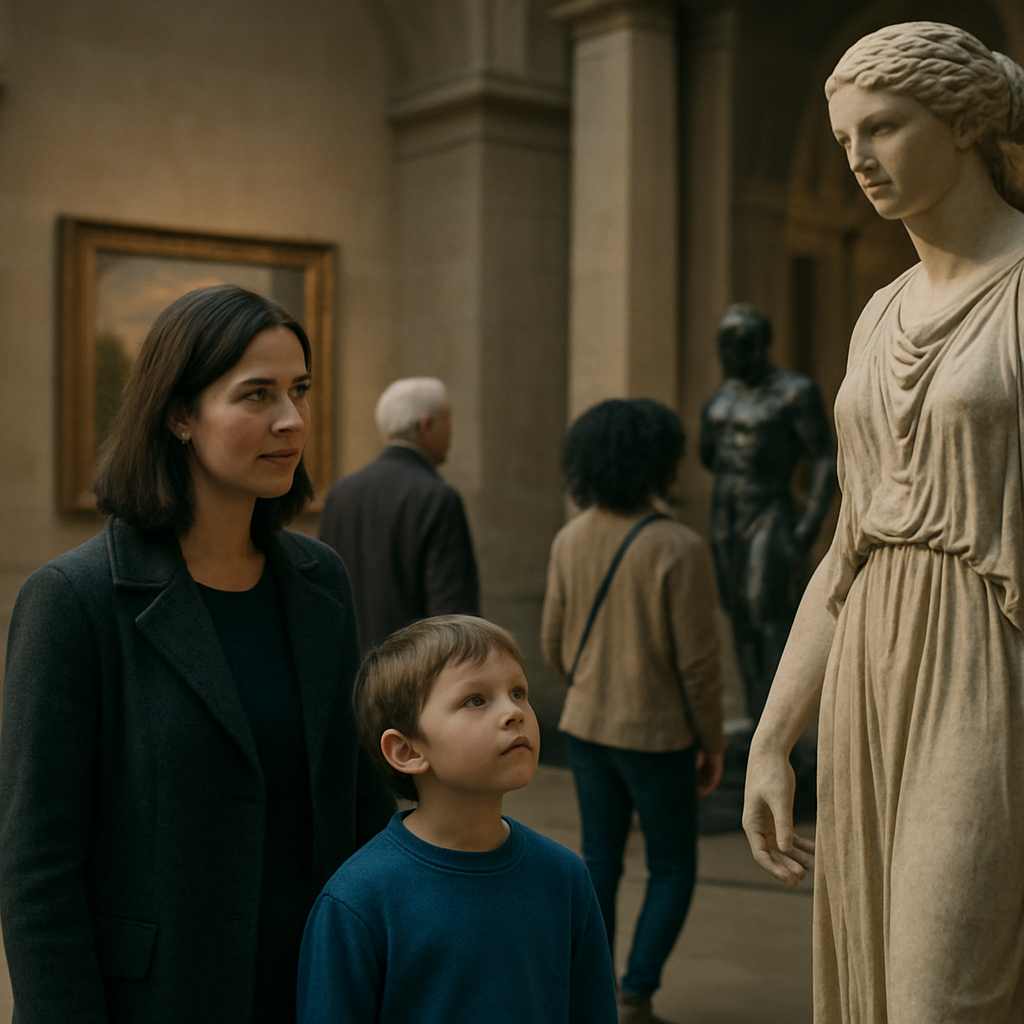
In England, national museums will continue to offer free entry to everyone, including international tourists. The UK government decided against implementing charges for international visitors following months of discussions. The idea was initially proposed to help fund museums but was ultimately rejected to avoid discouraging visits from local and international visitors.
The longstanding free entry policy was first introduced in 2001. A review of the policy had suggested introducing charges could align the UK with other countries and potentially bring more revenue. However, concerns were raised that introducing fees could lead to fewer domestic visitors. It was decided that the benefits of maintaining free entry outweighed those from charging.
Cultural leaders, including the directors of the Natural History Museum and the British Museum, welcomed the decision. They highlighted the vital role museums play in attracting tourists and benefiting the economy. Moreover, it was stressed that free museums are often a major draw for abroad visitors.
Additionally, the UK government announced financial support for museums to help them become more sustainable. A funding plan was introduced to ensure these institutions could continue operating successfully. Cultural Secretary Lisa Nandy reiterated her commitment to keeping museums accessible, stating that "museums light up the world" and should be available to all.
Original news source: National museums to stay free to all visitors, government says – BBC News (BBC)
🎧 Listen:
📖 Vocabulary:
Group or Classroom Activities
Warm-up Activities:
1. Discuss with a partner why museums might charge entry fees.
2. Imagine you are visiting a museum; what would you hope to see?
3. Talk about a museum you have visited. What was the most interesting exhibit?
4. How can museums benefit from having free entry policies?
5. Why do you think museums are important for a country's culture?
🤔 Comprehension Questions:
They decided to keep museums free for everyone, including international visitors.
It was proposed to help fund museums and align the UK with other countries.
Introducing fees could lead to fewer domestic visitors.
Directors of museums like the Natural History Museum and the British Museum.
They stated that museums play a vital role in attracting tourists and benefiting the economy.
The government announced financial support and a funding plan for museums.
She reiterated her commitment to keeping museums accessible to everyone.
🎧✍️ Listen and Fill in the Gaps:
In England, national museums will continue to offer free entry to everyone, international tourists. The UK government decided implementing charges for international visitors following months of . The idea was initially proposed to help fund museums but was ultimately rejected to discouraging visits from local and international visitors. The longstanding free entry policy was first in 2001. A review of the policy had suggested introducing could align the UK with other countries and potentially bring more revenue. However, concerns were raised that introducing fees could lead to fewer visitors. It was decided that the of maintaining free entry outweighed those from charging. Cultural leaders, including the directors of the Natural History and the British Museum, welcomed the decision. They highlighted the vital role museums play in attracting tourists and benefiting the . , it was stressed that free museums are often a major draw for abroad . Additionally, the UK announced support for museums to help them become more sustainable. A funding plan was introduced to ensure these institutions could continue operating successfully. Secretary Lisa Nandy reiterated her commitment to keeping museums accessible, stating that "museums light up the " and should be available to all.
💬 Discussion Questions:
1. Do you think museums should always be free? Why or why not?
2. How do museums contribute to a city's tourism?
3. Would you be more likely to visit a museum with free entry? Why?
4. What kind of exhibits interest you the most and why?
5. How can museums engage young people more effectively?
6. How important is it for a country to preserve its cultural heritage?
7. Do you agree with the government's decision to keep museums free?
8. How do you think museums impact education?
9. Should international tourists pay for museum entry while locals enter for free?
10. What role do museums play in the economy?
11. How can museums become more sustainable?
12. What are some of the challenges museums face today?
Individual Activities
📖💭 Vocabulary Meanings:
Click a dot next to a word, then click the dot next to its meaning to draw a line connecting them.