

Free Materials For ESL Teachers and Learners

English Newsroom

Learn English through news articles - complete lesson plans, including articles, listening, classroom activities, quiz questions and more!

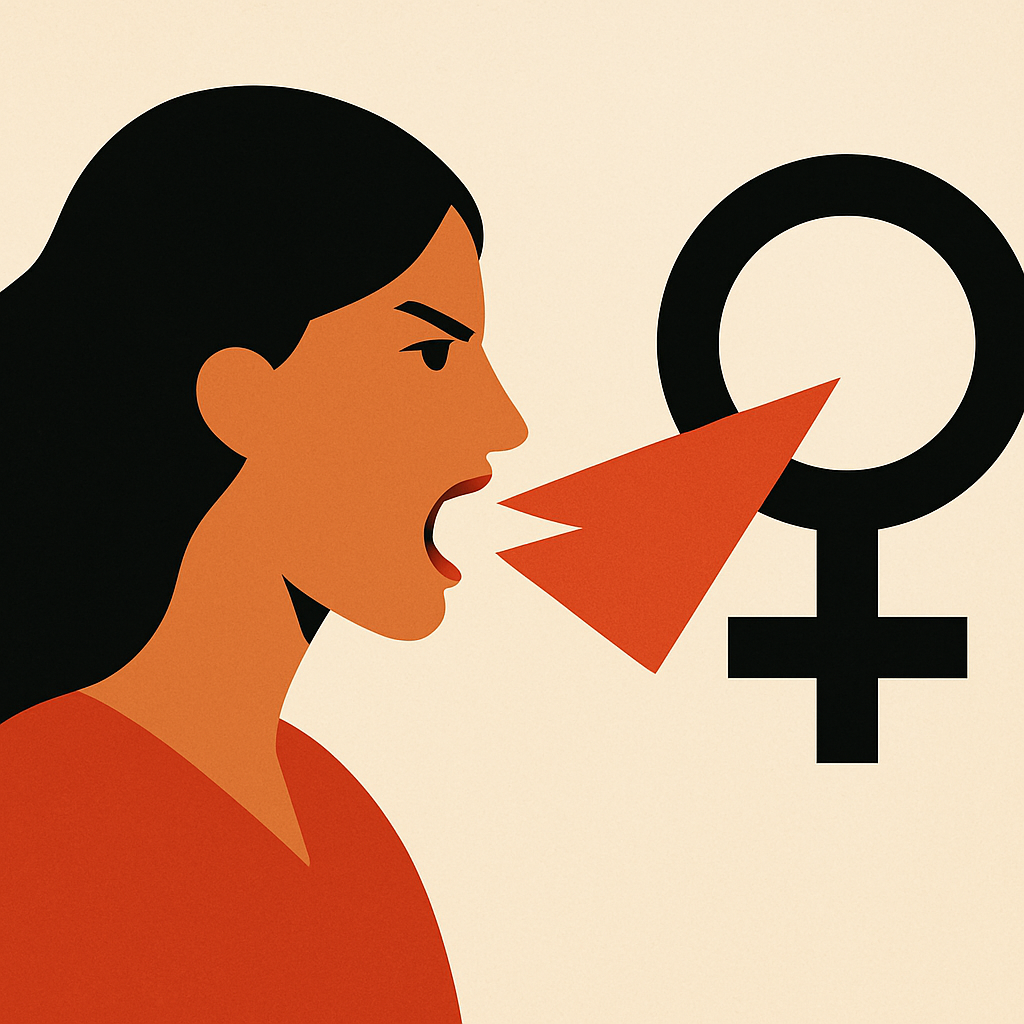
Women’s Anger Gains New Recognition

The perception of women's anger is evolving positively.
Try this article at a different level?

The way society views women's anger is changing. Chess Galea, a music artist, once feared expressing her anger due to labels like "hysterical." Now she no longer holds back. This shift represents a larger trend where women are speaking out more about their frustrations.

Anger isn't just an emotion; for many women, it's a tool for change. Psychotherapists like Jennifer Cox have noted the physical and emotional strain from suppressed anger. Women are encouraged to attend support groups to express their feelings. Mindfulness techniques like the "RAIN" method are also suggested for healthy processing of anger.

In workplaces, women's open display of anger can impact their careers positively. Life coaches advise women to exhibit their emotions authentically. By doing this, they can challenge existing norms and improve their positions. Moreover, positive portrayals of angry women in media offer fresh perspectives.

Even in pop culture, women’s anger is gaining new representations. Characters on screen and musicians are making women's anger a powerful narrative. Women now use media to connect over shared frustrations. This cultural shift allows women to discuss issues like harassment more openly.

Original news source: From the workplace to pop culture – why how we view women's anger is changing – BBC News (BBC)

🎧 Listen:

📖 Vocabulary:

1. Trend
2. Suppressed
3. Mindfulness
4. Techniques
5. Portrayals
6. Harassment
7. Hysterical
8. Authentic
9. Perspectives
10. Strain
11. Exhibit
12. Processing
13. Frustrations
14. Shift
15. Encourage

Group or Classroom Activities

Warm-up Activities:

1. Discuss a time when you felt angry, and how you expressed it.
2. What are some cultural stereotypes about anger?
3. How can expressing emotions positively impact mental health?
4. Do you think media representation affects how we perceive emotions?
5. Share an example of a strong female character in media.

🤔 Comprehension Questions:

1. What change in society is highlighted in the article?

2. Who is Chess Galea?

3. What is the "RAIN" method?

4. How can expressing anger at work affect women?

5. How are angry women portrayed in media according to the article?

6. What issues do women discuss more openly due to this cultural shift?

7. How does media help women connect?

🎧✍️ Listen and Fill in the Gaps:

The way views women's anger is changing. Chess Galea, a music artist, once feared expressing her anger due to labels like "hysterical." Now she no longer back. This shift a larger where women are speaking out more about their frustrations. Anger isn't just an emotion; for many women, it's a tool for change. like Jennifer Cox have the physical and emotional strain from suppressed anger. Women are encouraged to attend support groups to their feelings. Mindfulness techniques like the "RAIN" are also suggested for healthy processing of . In workplaces, 's open display of anger can impact their careers positively. Life coaches advise women to exhibit their emotions authentically. By doing this, they can challenge existing norms and improve their positions. , positive portrayals of angry women in fresh perspectives. Even in pop culture, women’s anger is gaining new representations. Characters on screen and musicians are making women's anger a narrative. Women now use media to connect over shared . This cultural shift allows women to discuss like harassment more openly.

💬 Discussion Questions:

1. How do you feel about expressing anger in public?
2. Do you think anger can be a positive force for change?
3. How does society generally perceive angry women?
4. Have you ever felt pressured to suppress your emotions?
5. In what ways do you think media representation can change societal norms?
6. Do you know any celebrities who openly express their anger?
7. How can we encourage healthier expressions of emotions in schools?
8. What role do you think mindfulness plays in daily life?
9. Do you think anger is expressed differently by different genders?
10. How do friends influence the way we express our emotions?
11. Is there a situation where you think it's better to suppress anger?
12. How has your perception of anger changed over time?

Individual Activities

📖💭 Vocabulary Meanings:

Click a dot next to a word, then click the dot next to its meaning to draw a line connecting them.


Words

1. Trend
2. Suppressed
3. Mindfulness
4. Techniques
5. Portrayals
6. Harassment
7. Hysterical
8. Authentic
9. Perspectives
10. Strain
11. Exhibit
12. Processing
13. Frustrations
14. Shift
15. Encourage

Meanings

(A) aggressive pressure or intimidation
(B) dealing with something systematically
(C) representations or depictions
(D) genuine and true to one's own personality
(E) feelings of being upset or annoyed
(F) different ways of viewing a situation
(G) focusing one's awareness on the present moment
(H) to openly display
(I) a general direction in which something is developing
(J) methods used to accomplish a task
(K) very emotional and exaggerated
(L) kept from being expressed
(M) a change in direction or focus
(N) to give support or confidence
(O) a force that puts pressure on someone or something

🔡 Multiple Choice Questions:

1. What is the societal change discussed in the article?
(a) Society's changing view of women's anger
(b) The rise of new music genres
(c) The decline of mindfulness
(d) The changing fashion trends
2. How does Chess Galea feel about expressing anger now?
(a) She no longer holds back
(b) She still fears it
(c) She avoids it
(d) She finds it unnecessary
3. What have psychotherapists noted about women's anger?
(a) It improves mental health
(b) It's always negative
(c) It should be ignored
(d) It can cause physical and emotional strain
4. What technique is mentioned for processing anger?
(a) Yoga
(b) Deep breathing
(c) Journaling
(d) The "RAIN" method
5. How can displaying anger impact women's careers?
(a) Negatively
(b) Not at all
(c) Positively
(d) It depends on the workplace
6. How are angry women portrayed in media according to the article?
(a) Negatively
(b) Not portrayed
(c) Positively
(d) Rarely portrayed
7. What do women use media for, as per the article?
(a) To avoid issues
(b) To connect over shared frustrations
(c) For entertainment only
(d) To remain private
8. What cultural shift is allowing women to discuss issues more openly?
(a) The evolution of language
(b) The change in representation of women’s anger
(c) The advent of new technology
(d) The global economic downturn

🕵️ True or False Questions:

1. Media portrays angry women in a negative light.
2. The "RAIN" method is a mindfulness technique for processing anger.
3. Suppressed joy can cause physical and emotional relief.
4. Women use media to discuss issues like harassment more openly.
5. Women are discouraged from attending support groups.
6. Pop culture is providing new representations of women's anger.
7. Authentic emotional displays can uphold workplace norms.
8. Chess Galea feared expressing her anger due to societal labels.

Writing Questions:

1. Write about a time when expressing your emotions helped you.
2. How can media representation of emotions be improved?
3. Describe a change you'd like to see in societal norms about emotions.
4. Do you believe mindfulness should be taught in schools? Why?
5. Discuss how anger can lead to positive outcomes.

How about these other Level 3 articles?

Researchers at Columbia University have developed an AI tool that can identify whether fingerprints from different fingers belong to the same person with 75-90% accuracy, challenging the belief that each fingerprint is completely unique.

AI Tool Challenges Belief in Unique Fingerprints

Researchers at Columbia University have developed an AI tool that can identify whether fingerprints from different fingers belong to the same person with 75-90% accuracy, challenging the belief that each fingerprint is completely unique.

Online
Class
Writing
Coach

Feedback