
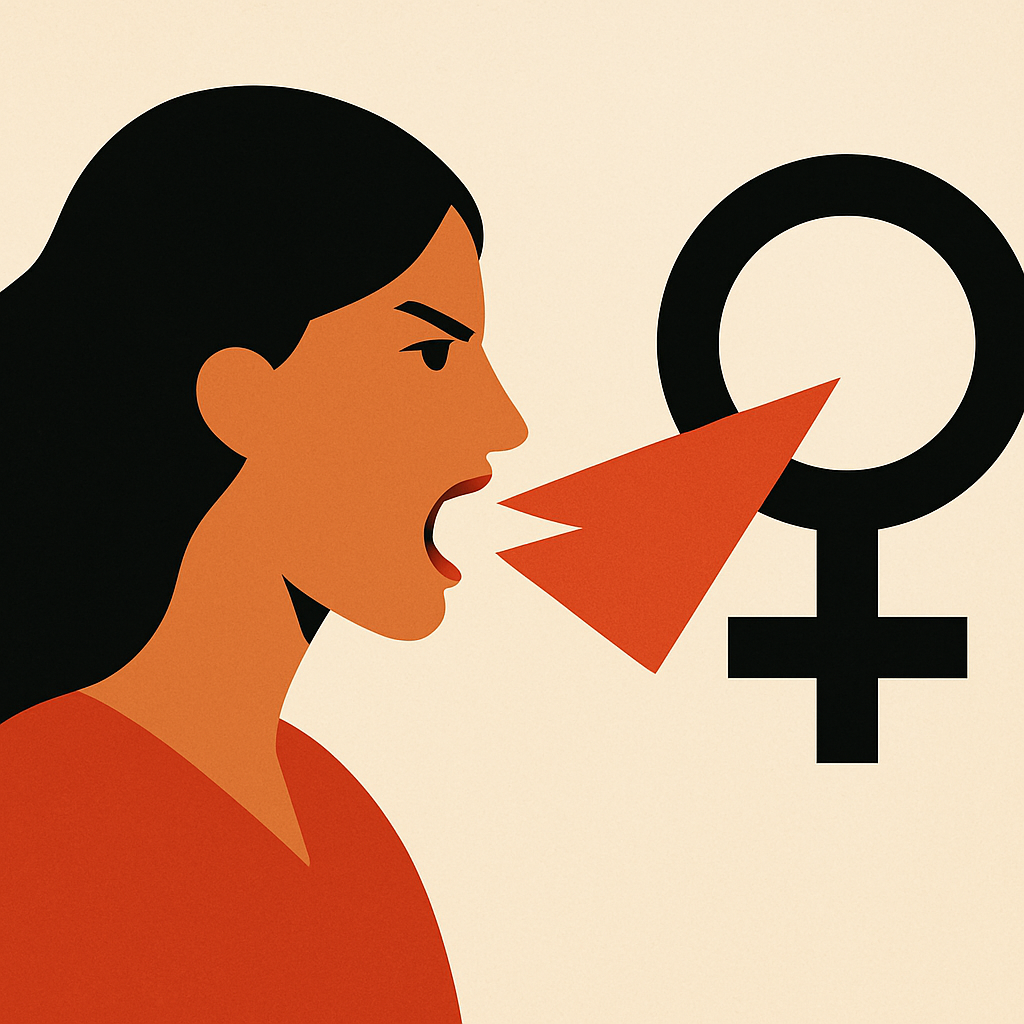
The perception of women's anger is undergoing a significant transformation as societal attitudes shift. Chess Galea, a music artist who previously concealed her anger for fear of negative stereotypes like being labeled "hysterical," now expresses it openly. This change reflects a broader relocation of women's emotions from the private to the public domain, challenging entrenched social norms that have long dictated expected behavior.
For many women, anger has emerged as a potent catalyst for change. Psychological experts have noted that the suppression of this emotion is frequently linked to both physical and mental health issues, a testament to its complexity. Jennifer Cox, a psychotherapist, facilitates group sessions that encourage women to articulate their anger. This open expression is viewed as a stride towards improved mental well-being and personal empowerment, highlighting the necessity of embracing emotions that are often stigmatized.
In the professional sphere, women who express their anger face a mixed bag of outcomes. Life coach Yann Dang posits that when anger is channeled constructively, it can propel women forward. She emphasizes "building the muscle" of assertiveness, utilizing clear language to convey dissatisfaction. Such expressions can serve as levers to challenge constraints and redefine gender dynamics within workplace environments.
Pop culture now serves as a new platform where the portrayal of angry women is experiencing positive shifts. In contrast to past depictions, like the character Alex Forrest from "Fatal Attraction," current media and music narratives are increasingly portraying women’s genuine complaints and struggles against societal injustices. This fosters a cultural dialogue that gradually reshapes public perceptions and contributes to a broader acceptance of women’s emotive expressions.
As cultural evolution progresses, women are finding greater freedom in sharing experiences of systemic sexism. Platforms like social media offer venues for solidarity and empowerment, enabling women to tackle issues such as harassment and gender inequality collectively. Such open dialogues are instrumental in redrawing the cultural narrative surrounding women's emotions, gradually paving the way for a society that values emotional honesty over outdated stereotypes.
Original news source: From the workplace to pop culture – why how we view women's anger is changing – BBC News (BBC)
🎧 Listen:
📖 Vocabulary:
Group or Classroom Activities
Warm-up Activities:
1. Share a time when you found it difficult to express an emotion. How did you handle it?
2. Discuss a cultural portrayal of emotions in media that you relate to.
3. In what ways do you think expressing emotions can impact mental health?
4. How can social norms influence how emotions are perceived?
5. Have you ever felt compelled to suppress an emotion at work or in public? Why?
🤔 Comprehension Questions:
The article discusses the changing perception of women's anger and its relocation from private to public spheres.
Chess Galea is a music artist who now openly expresses her anger, challenging the stereotype of being labeled "hysterical."
Yann Dang believes anger, when channeled constructively, can help women advance in their careers.
Pop culture now depicts angry women with genuine grievances, fostering positive cultural dialogue.
Social media provides platforms where women can unite and tackle issues of harassment and gender inequality.
It is linked to improved mental health and empowerment, breaking the stigma of suppressed emotions.
Recent narratives highlight real grievances and struggles against injustice, unlike past portrayals of instability.
🎧✍️ Listen and Fill in the Gaps:
The perception of women's anger is undergoing a significant transformation as attitudes shift. Chess Galea, a artist who previously concealed her anger for fear of negative stereotypes like being labeled "hysterical," now expresses it openly. This change reflects a broader relocation of women's emotions from the private to the public domain, challenging entrenched social norms that have long dictated expected . For many women, anger has emerged as a potent for change. Psychological experts have noted that the suppression of this emotion is frequently linked to both physical and mental health issues, a to its complexity. Jennifer Cox, a psychotherapist, facilitates group that encourage women to articulate their anger. This open expression is viewed as a stride improved mental well-being and empowerment, highlighting the necessity of embracing emotions that are often stigmatized. In the professional sphere, women who express their anger face a mixed bag of outcomes. Life coach Yann Dang posits that when anger is channeled , it can propel women forward. She emphasizes " the muscle" of assertiveness, utilizing clear language to convey . Such expressions can serve as levers to challenge constraints and redefine gender dynamics within workplace environments. Pop culture now serves as a new platform where the portrayal of angry women is experiencing positive shifts. In contrast to past depictions, like the character Alex Forrest from " Attraction," current media and music narratives are increasingly portraying women’s genuine complaints and struggles against societal injustices. This fosters a cultural dialogue that reshapes public perceptions and contributes to a broader acceptance of women’s emotive expressions. As cultural evolution progresses, women are finding greater freedom in sharing experiences of systemic . Platforms like social media offer venues for solidarity and empowerment, enabling women to tackle issues such as and gender inequality collectively. Such open dialogues are instrumental in redrawing the cultural narrative surrounding emotions, gradually paving the way for a society that values emotional honesty over outdated stereotypes.
💬 Discussion Questions:
1. Do you think the perception of anger differs between genders? Why or why not?
2. How do you express anger constructively in your life?
3. What stereotypes surrounding emotions are prevalent in your culture?
4. How does media portrayal of emotions impact societal norms?
5. In what ways can expressing emotions lead to personal empowerment?
6. Have you witnessed any cultural shifts in the portrayal of emotions?
7. Can you recall a time when expressing anger led to a positive outcome?
8. How might social media influence the expression of emotions positively or negatively?
9. What role do psychological professionals play in changing perceptions of emotions?
10. Do you believe open dialogue about emotions should be encouraged at work? Why?
11. How can pop culture serve as a catalyst for changing social norms?
12. What challenges might arise from openly discussing emotions in traditional societies?
Individual Activities
📖💭 Vocabulary Meanings:
Click a dot next to a word, then click the dot next to its meaning to draw a line connecting them.