

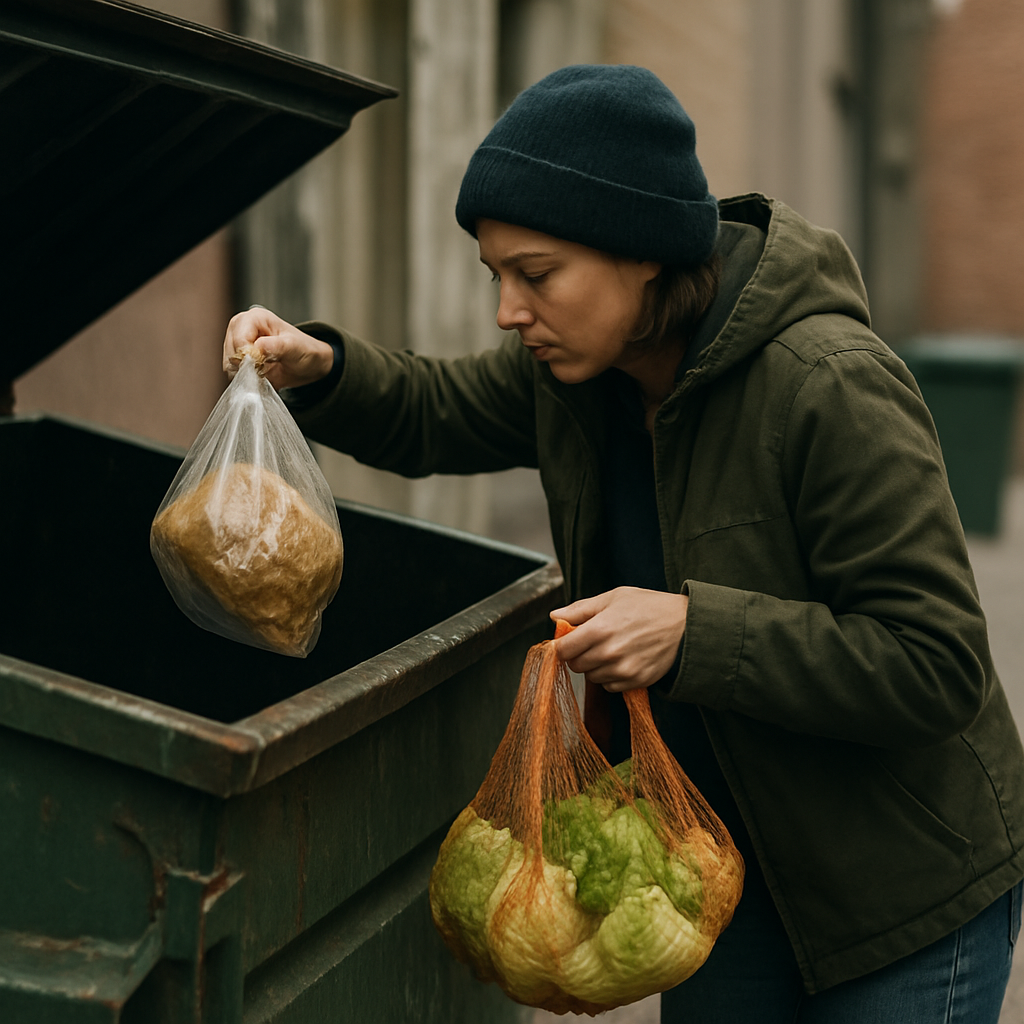
Darryl Baker, a thrifty mother from London, found an unexpected way to save money and reduce waste by exploring the dumpsters near her local supermarket. With permission to take discarded items, she acquired clothes for her children, household goods, and even items to sell. Her efforts led to significant savings and helped curtail the wasteful disposal of usable items. For instance, among her finds included branded clothes like Ralph Lauren and Nike.
Jeff Ferrell, a seasoned dumpster diver from Texas, taps into the benefits of this unique hobby by collecting discarded materials in affluent neighborhoods. He enjoys the routine and describes himself as part Robin Hood, part activist, redistributing useful items to those in need and selling some for profit. Jeff's diligence earns him approximately $150 every two weeks from selling scrap metal, while numerous household needs are fulfilled free of cost.
Millie Diamond, a London-based stylist, seeks out fabrics and clothing in dumpsters, transforming them into fashion items. Her creative scavenging enhances her work as a stylist and turns what many would consider trash into valuable clothing pieces. Millie's creations include a dress valued at £600, demonstrating the unexpected value that can be discovered in disposed materials.
Though dumpster diving can sometimes be legally ambiguous, it provides a frugal and environmentally conscious alternative to traditional consumerism. Many divers, like Darryl, Jeff, and Millie, share their adventures online, fostering a growing community that embraces sustainability through reuse and recycling.
Original news source: From scooters to shampoo – the people saving hundreds from dumpster diving – BBC News (BBC)
🎧 Listen:
📖 Vocabulary:
Group or Classroom Activities
Warm-up Activities:
1. Discuss what comes to mind when you hear 'dumpster diving.'
2. Share your thoughts on reusing items instead of buying new ones.
3. Have you ever created something new from an old object? Share your experience.
4. What do you know about environmental sustainability?
5. Why do people choose to live a frugal lifestyle, in your opinion?
🤔 Comprehension Questions:
She explored dumpsters near her local supermarket.
He describes himself as part Robin Hood, part activist.
She is a London-based stylist.
She found clothes, household goods, and branded items.
He earns approximately $150 every two weeks from selling scrap metal.
They include valuable clothing pieces from scavenged fabrics, like a dress valued at £
They share their dumpster diving adventures online, promoting sustainability.
🎧✍️ Listen and Fill in the Gaps:
Darryl Baker, a thrifty mother from London, found an unexpected way to save money and reduce waste by exploring the near her supermarket. With permission to take discarded items, she acquired for her children, household goods, and even items to sell. Her efforts led to significant savings and helped curtail the disposal of usable items. For instance, among her finds included branded clothes like Ralph Lauren and Nike. Jeff , a seasoned dumpster from Texas, taps into the benefits of this unique by collecting discarded materials in affluent neighborhoods. He enjoys the and describes himself as part Robin Hood, part activist, redistributing useful items to those in need and selling some for profit. Jeff's diligence earns him approximately $150 every two weeks from selling metal, while numerous household needs are fulfilled free of cost. Millie Diamond, a stylist, seeks out fabrics and clothing in dumpsters, transforming them into fashion . Her creative scavenging enhances her work as a stylist and what many would consider trash into valuable clothing pieces. Millie's creations include a dress valued at £600, demonstrating the unexpected value that can be discovered in disposed . Though dumpster can sometimes be legally ambiguous, it provides a frugal and environmentally conscious alternative to traditional consumerism. Many , like Darryl, Jeff, and Millie, share their adventures , fostering a growing community that embraces sustainability through reuse and recycling.
💬 Discussion Questions:
1. What are the potential benefits of dumpster diving?
2. How do you think society views dumpster diving?
3. Would you consider trying dumpster diving? Why or why not?
4. How can dumpster diving contribute to environmental sustainability?
5. What are some other ways to practice frugality in day-to-day life?
6. Do you believe that dumpster diving should be more widely accepted? Explain.
7. What challenges might one face while dumpster diving?
8. Can dumpster diving be considered a form of recycling?
9. How does public perception of branded items affect our choices?
10. How important is creative reuse of materials in today’s world?
11. Discuss the ethical implications of dumpster diving.
12. Could dumpster diving inspire innovations in fashion or art?
Individual Activities
📖💭 Vocabulary Meanings:
Click a dot next to a word, then click the dot next to its meaning to draw a line connecting them.