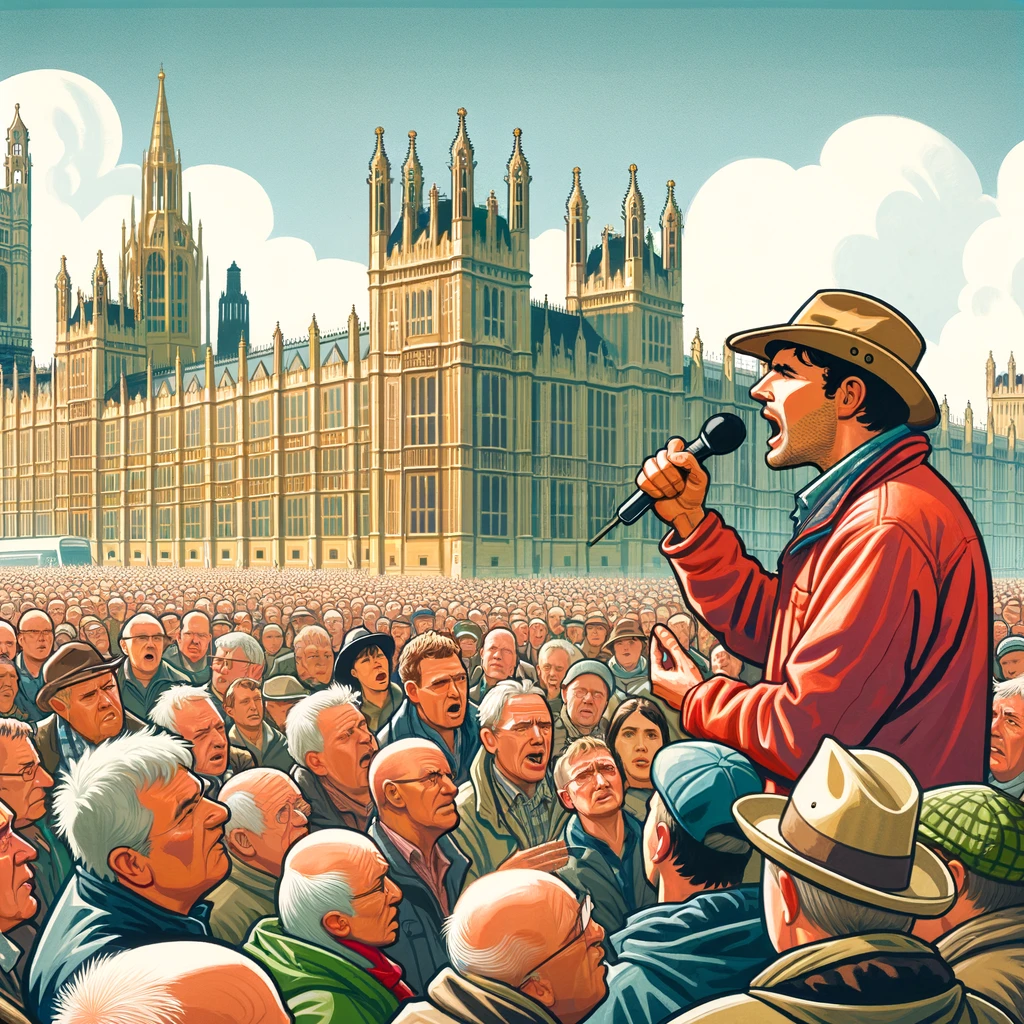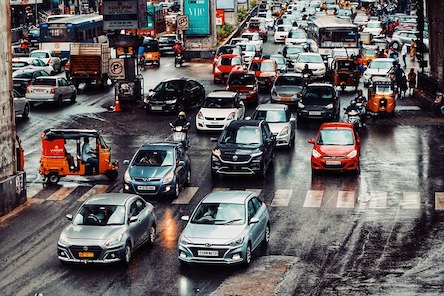


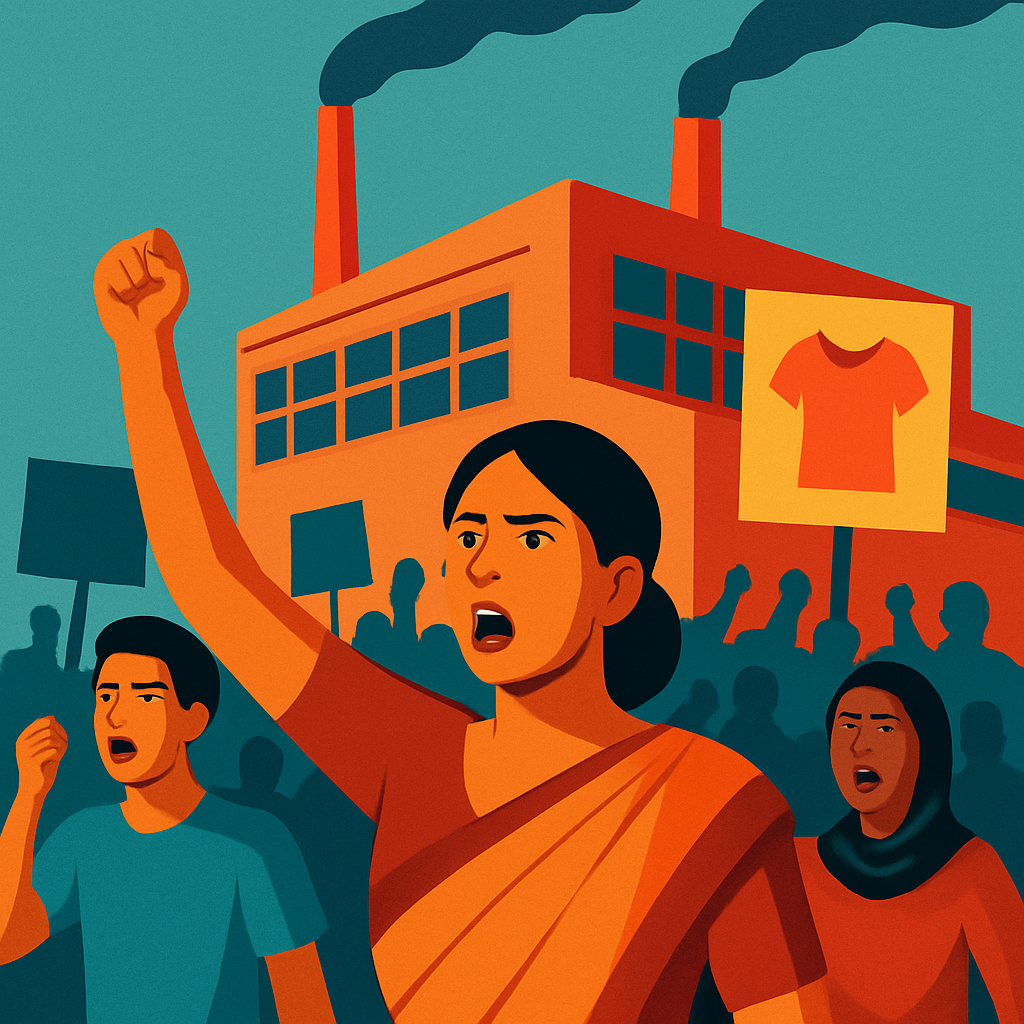
In Bangladesh, widespread protests by garment workers have resulted in the closure of many factories. These workers, who manufacture clothes for global brands, are demanding higher wages to cope with rising living costs. On Sunday, the protests turned violent, with demonstrators blocking roads, vandalizing factories, and setting vehicles ablaze, resulting in several arrests by the police.
The protests have disrupted operations in key garment-producing cities such as Dhaka and Gazipur. Workers are demanding their monthly wages be raised to 30,000 taka, citing expenses for essentials like food and rent that have increased significantly. The demands are more than double the current wages, which are among the lowest globally despite the industry being a major economic driver for Bangladesh.
Concerns are growing that prolonged disruptions could negatively impact international buyers and Bangladesh's position in the global garment market. The industry, responsible for nearly $40 billion in annual revenue, plays a vital role in the country's economy, providing employment for around four million people.
In response, the government has formed a committee to review wages, but tensions remain as workers continue to voice their dissatisfaction. Reports indicate that many factories will stay closed, and arrests of protesters are ongoing as authorities try to regain control.
Original news source: Bangladesh: Wage protests force hundreds of garment factories to close – BBC News (BBC)
🎧 Listen:
📖 Vocabulary:
Group or Classroom Activities
Warm-up Activities:
1. Describe any recent news article you've read about a protest.
2. Discuss the importance of fair wages in the workplace.
3. Share your opinions on how protests can impact a country's economy.
4. Explain different reasons why people might protest.
5. Talk about any industries in your country that are significant to the economy.
🤔 Comprehension Questions:
The factory closures were caused by widespread protests by garment workers.
They are demanding higher wages to cope with rising living costs.
The protests turned violent with roads being blocked, factories vandalized, and vehicles set ablaze.
Because their demands are more than double their current wages, which are among the lowest globally.
They could negatively impact international buyers and Bangladesh's position in the global garment market.
The government has formed a committee to review wages.
Approximately four million people are employed in the garment industry.
🎧✍️ Listen and Fill in the Gaps:
In Bangladesh, widespread protests by garment workers have in the closure of many factories. These workers, who manufacture clothes for global brands, are demanding higher wages to cope with rising living costs. On Sunday, the protests turned violent, with blocking roads, vandalizing factories, and setting , resulting in several arrests by the police. The protests have disrupted in key garment-producing such as Dhaka and Gazipur. Workers are their monthly wages be raised to 30,000 taka, expenses for essentials like food and rent that have increased significantly. The demands are more than double the current wages, which are among the lowest globally despite the industry being a major economic driver for Bangladesh. Concerns are growing that prolonged disruptions could negatively international and Bangladesh's position in the global garment market. The industry, responsible for nearly $40 billion in annual , plays a role in the country's economy, providing employment for four million people. In response, the government has a to review wages, but tensions remain as workers continue to voice their dissatisfaction. Reports indicate that many factories will stay closed, and arrests of protesters are ongoing as authorities try to regain .
💬 Discussion Questions:
1. What are your thoughts on the importance of the garment industry in Bangladesh?
2. How do you think higher wages could affect the garment industry?
3. Do you believe protests are an effective way to bring change? Why or why not?
4. Have you ever participated in or witnessed a protest? Share your experience.
5. What could be some other ways workers can voice their concerns?
6. Discuss the role of international buyers in the garment industry.
7. How can governments balance economic interests and workers' rights?
8. What are some challenges workers face when their wages are low?
9. Do you think global brands have a responsibility for these workers? Explain.
10. How do you think ongoing disruptions could affect a developing country's economy?
11. In your opinion, what measures could the government take to prevent future protests?
12. How might the rise in living costs influence future wage demands globally?
Individual Activities
📖💭 Vocabulary Meanings:
Click a dot next to a word, then click the dot next to its meaning to draw a line connecting them.