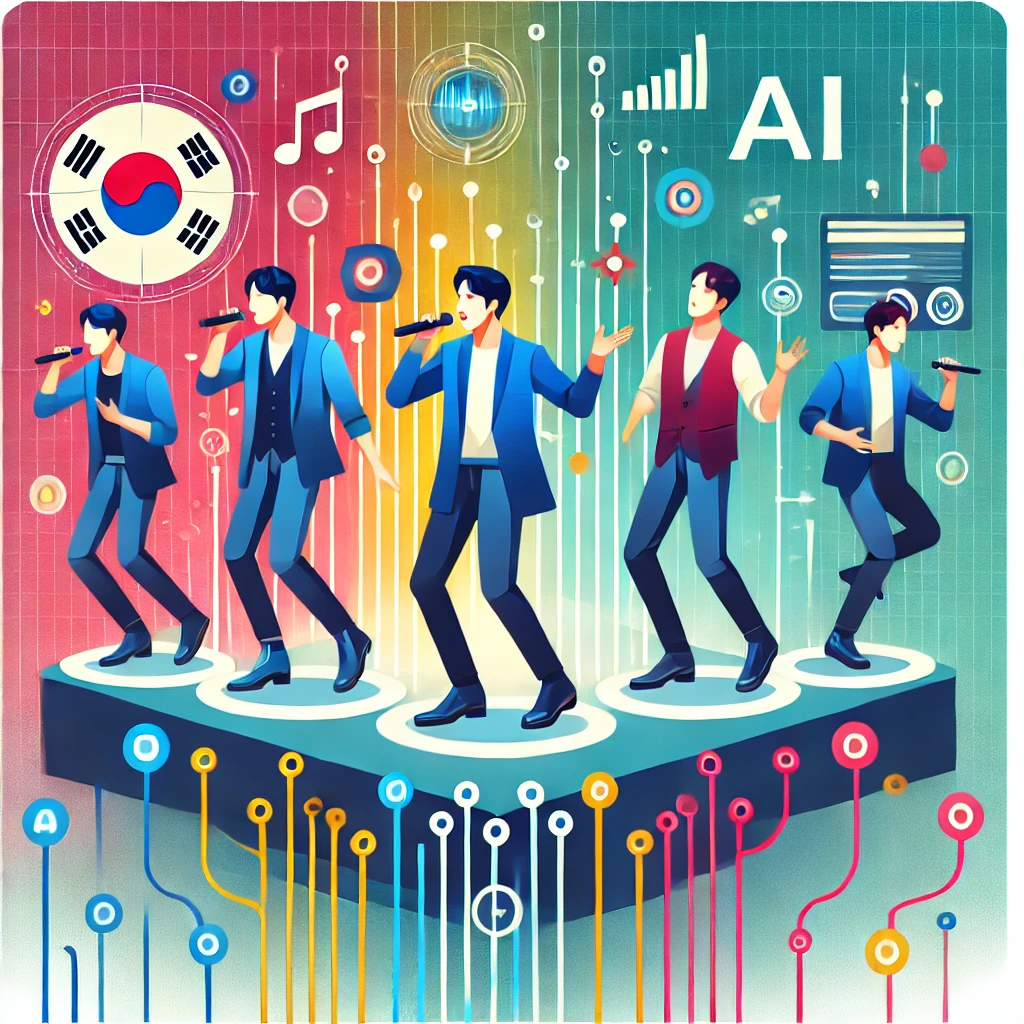
The K-pop industry is currently experiencing a significant debate surrounding the use of artificial intelligence (AI) in music production. This discussion has gained momentum with several prominent K-pop groups, including the boy band Seventeen, experimenting with AI technology to create music videos and songs. Seventeen, which achieved remarkable success by selling approximately 16 million albums last year, has sparked interest with their latest album and single titled "Maestro." The music video for this release features AI-generated scenes, prompting band member Woozi to express his willingness to explore AI in music creation during a recent album launch in Seoul.
Woozi emphasized the importance of adapting to technological advancements rather than resisting them. He stated, "We practiced making songs with AI, as we want to develop along with technology." However, he later clarified on social media that all of Seventeen's music is still composed by human creators. This clarification has led to mixed reactions among fans, with some advocating for stricter regulations on AI in music, while others are more accepting of its potential benefits. For instance, super fan Ashley Peralta believes that AI can assist artists in overcoming creative blocks, but she worries that an over-reliance on AI-generated lyrics could diminish the personal connection between artists and their fans.
The concerns surrounding AI in K-pop extend beyond individual fan opinions. Chelsea Toledo, another K-pop enthusiast and podcaster, expressed her apprehension about the impact of AI on the authenticity of music. She noted that if Seventeen were to release an album filled with AI-generated lyrics, it might not resonate with fans as authentically as their previous works. This sentiment reflects a broader concern within the K-pop community about maintaining the human touch in music creation, which is often seen as a vital aspect of the genre's appeal.
From a production perspective, Chris Nairn, a composer and songwriter in the K-pop industry, acknowledged the industry's inclination towards innovation. He pointed out that while AI can produce decent quality lyrics, it lacks the ability to create truly original content. Nairn believes that the demand for personal and heartfelt lyrics will only increase as fans seek a deeper connection with their favorite artists. This perspective suggests that while AI may play a role in the future of K-pop, it is unlikely to replace the essential human element that defines the genre.
The use of AI in K-pop is not limited to Seventeen; other groups, such as Aespa, have also begun incorporating AI into their music videos. However, this trend has raised concerns about the potential loss of artistic integrity and the challenges of crediting original artwork. Music journalist Arpita Adhya highlighted the pressure on K-pop artists to produce new content rapidly, often leading to the normalization of AI in the industry. As discussions about the ethical implications of AI continue, many in the K-pop community hope for clearer regulations to ensure that the artistry of musicians is not compromised. Ultimately, the influence of fans remains a powerful force, as artists are likely to respond to public sentiment regarding
Original news source: Will K-pop's AI experiment pay off? (BBC)
🎧 Listen:
📖 Vocabulary:
Group or Classroom Activities
Warm-up Activities:
– CHARADES
Instructions: Students will take turns acting out key terms or phrases related to the article (e.g., "AI in music," "K-pop," "Seventeen," "music production"). The rest of the class will guess what the term or phrase is. This activity encourages vocabulary recall and teamwork.
– OPINION SPECTRUM
Instructions: Create a line in the classroom labeled "Strongly Agree" to "Strongly Disagree." Read statements related to the article (e.g., "AI will enhance the music industry" or "AI will diminish the authenticity of music"). Students will position themselves along the line based on their opinion and explain their reasoning to a partner.
– MIND MAP
Instructions: In small groups, students will create a mind map on a large sheet of paper focusing on the article's main themes such as "AI in K-pop," "Fan Reactions," and "Artistic Integrity." They will brainstorm and add supporting details or examples related to each theme, enhancing their analytical skills.
– HEADLINE CREATION
Instructions: Students will work in pairs to create catchy headlines for the article that capture its essence. They will then share their headlines with the class. This activity fosters creativity and helps students practice summarizing content effectively.
– FUTURE PREDICTIONS
Instructions: In small groups, students will discuss and predict the future of AI in the K-pop industry based on the article's content. They will present their predictions to the class, encouraging critical thinking and discussion about technological advancements in music.
🤔 Comprehension Questions:
The use of artificial intelligence (AI) in music production has sparked significant debate among artists and fans in the K-pop industry.
Seventeen's album and single "Maestro" featured AI-generated scenes in its music video, prompting discussions about the role of AI in music creation.
Woozi emphasized the importance of adapting to technological advancements and expressed his willingness to explore AI in music creation, stating that they practiced making songs with AI.
Fans had mixed reactions; some advocated for stricter regulations on AI in music, while others were more accepting of its potential benefits.
Chelsea Toledo expressed concern that if Seventeen released an album filled with AI-generated lyrics, it might not resonate with fans as authentically as their previous works.
Chris Nairn noted that while AI can produce decent quality lyrics, it lacks the ability to create truly original content, and fans seek personal and heartfelt lyrics for a deeper connection with artists.
Other groups like Aespa have begun incorporating AI into their music videos, reflecting the broader trend of AI usage in K-pop.
The ethical implications include concerns about the potential loss of artistic integrity, challenges in crediting original artwork, and the pressure on artists to produce new content rapidly, leading to the normalization of AI in the industry.
🎧✍️ Listen and Fill in the Gaps:
The K-pop industry is currently experiencing a significant debate surrounding the use of artificial intelligence (AI) in music production. This discussion has gained momentum with several prominent K-pop groups, including the boy band Seventeen, experimenting with AI technology to music and songs. Seventeen, which achieved remarkable success by selling approximately 16 million s last year, has sparked interest with their latest album and single titled "Maestro." The music video for this release features AI-generated scenes, prompting band member Woozi to his willingness to explore AI in music creation during a recent album launch in Seoul. Woozi emphasized the importance of adapting to technological advancements rather than resisting them. He stated, "We practiced making songs with AI, as we want to develop along with technology." However, he later on social media that all of Seventeen's music is still by human creators. This clarification has led to mixed reactions among fans, with some advocating for stricter regulations on AI in music, while others are more accepting of its potential benefits. For instance, super fan Ashley Peralta believes that AI can assist artists in overcoming creative blocks, but she worries that an over-reliance on AI-generated lyrics could the personal connection between artists and their fans. The concerns surrounding AI in K-pop extend beyond individual fan opinions. Chelsea Toledo, another K-pop enthusiast and , expressed her apprehension about the impact of AI on the authenticity of music. She noted that if Seventeen were to release an album filled with AI-generated , it might not resonate with fans as authentically as their previous works. This sentiment reflects a broader concern within the K-pop community about maintaining the human in music creation, which is often seen as a vital aspect of the genre's appeal. From a production perspective, Chris Nairn, a composer and songwriter in the K-pop industry, acknowledged the industry's inclination towards innovation. He pointed out that while AI can produce decent quality lyrics, it the ability to create truly original content. Nairn that the demand for personal and heartfelt lyrics will only increase as fans seek a deeper connection with their favorite artists. This perspective suggests that while AI may play a role in the future of K-pop, it is unlikely to replace the essential human element that defines the genre. The use of AI in K-pop is not limited to Seventeen; other groups, such as Aespa, have also begun incorporating AI into their music videos. However, this trend has raised concerns about the potential loss of artistic integrity and the challenges of crediting original artwork. Music journalist Arpita Adhya highlighted the pressure on K-pop artists to new rapidly, often leading to the normalization of AI in the industry. As discussions about the ethical implications of AI continue, many in the K-pop hope for clearer regulations to ensure that the artistry of musicians is not compromised. Ultimately, the influence of fans remains a force, as artists are likely to respond to public sentiment regarding
💬 Discussion Questions:
1. What is your opinion on the use of artificial intelligence in music production?
2. How would you feel if your favorite artist started using AI to create their songs?
3. Do you think that AI can truly capture the emotions and experiences that human artists convey in their music? Why or why not?
4. What is a personal connection in music, and why do you think it is important for fans?
5. Have you ever experienced a creative block in your own work? How do you think AI could help in such situations?
6. Do you think that the incorporation of technology in music will enhance or diminish the overall quality of art? Why?
7. How do you feel about the idea of artists relying heavily on AI for their creative processes?
8. What is your perspective on the balance between innovation and maintaining artistic integrity in music?
9. Do you believe that K-pop, as a genre, can successfully adapt to technological advancements without losing its essence? Why or why not?
10. How would you react if an artist you admire released an album entirely made with AI-generated lyrics?
11. Do you think that fans should have a say in how their favorite artists use technology in their music? Why?
12. What is a memorable song for you, and what do you think makes it resonate emotionally?
13. How do you feel about the rapid production of music in the K-pop industry, and do you think it affects the quality of the songs?
14. What is your view on the potential ethical implications of using AI in creative fields like music?
15. Do you think that the music industry will continue to evolve with technology, or do you believe there will be a backlash against it? Why?
Individual Activities
📖💭 Vocabulary Meanings:
Click a dot next to a word, then click the dot next to its meaning to draw a line connecting them.
Words
Meanings
🔡 Multiple Choice Questions:
🕵️ True or False Questions:
📝 Write a Summary:
Write a summary of this news article in two sentences.
Check your writing now with the best free AI for English writing!