The practice of reading instruction manuals may soon become obsolete, particularly in the realm of consumer electronics. Many individuals tend to bypass user guides when acquiring new devices, with studies indicating that a significant portion of the population does not consult these manuals at all. For instance, a survey in the UK revealed that one in five people neglects to read the manual, while a report from the US suggested that this figure could be as high as 50%. Despite some individuals, like Caspar Herzberg, CEO of the UK industrial software company Aveva, expressing a fondness for instruction manuals, the reality is that many are simply discarded or left unread.
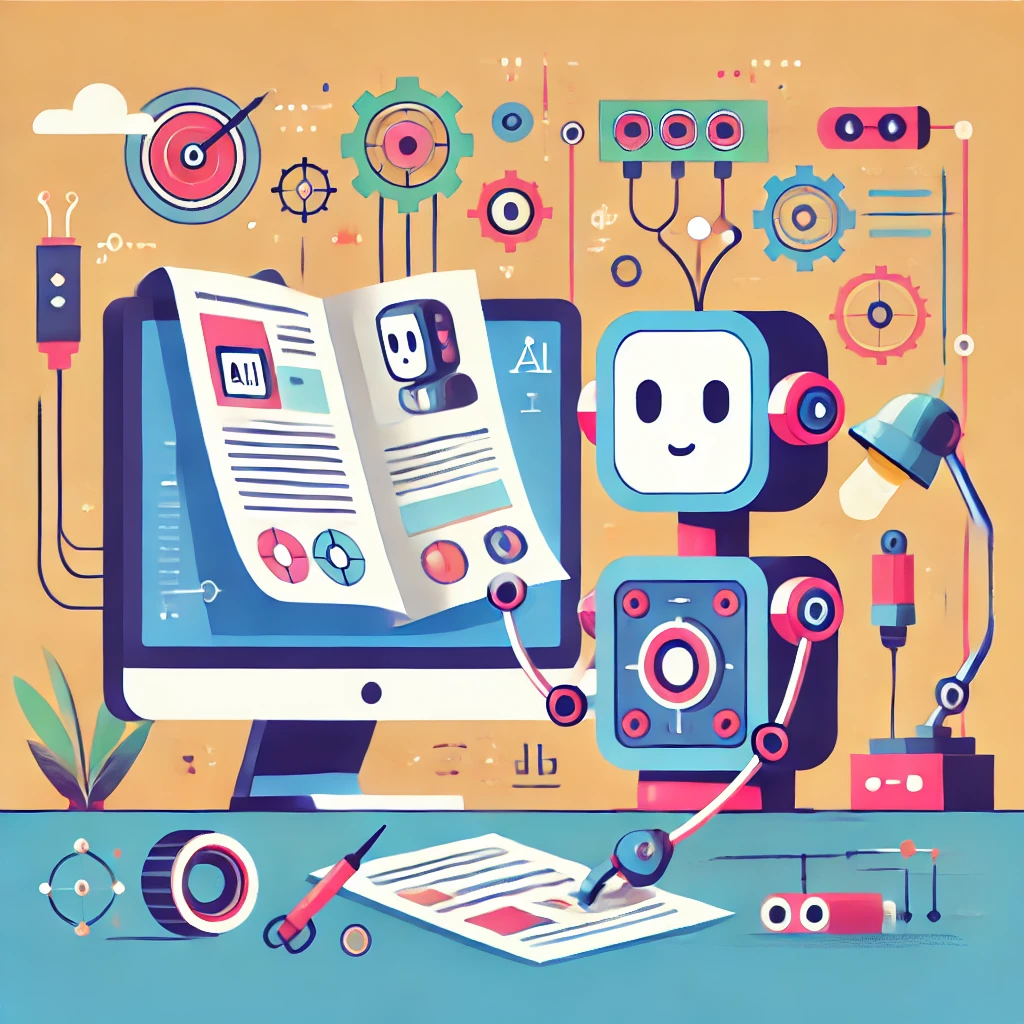
In industrial settings, however, the importance of understanding machinery and systems cannot be overstated. Engineers must possess a thorough knowledge of the equipment they manage, especially when urgent issues arise that require immediate resolution. To address this challenge, Aveva has developed an artificial intelligence (AI) system capable of reading and interpreting operating manuals on behalf of engineers. This AI has already memorized the technical manuals for power grids and wind turbines operated by Aveva's parent company, Schneider Electric, and it continuously monitors machinery through an extensive network of sensors.
The AI system, referred to as the "industrial AI assistant," aims to replicate the expertise of seasoned engineers who have accumulated years of practical experience. For example, when an engineer encounters a fault, the AI can identify the location of the issue, analyze a comprehensive manual, and generate potential solutions. It can even create a 3D visualization of the affected equipment, such as a turbine, which engineers find particularly helpful. This technology is especially valuable in light of the growing concern regarding an aging workforce, as many experienced engineers are retiring and taking their knowledge with them.
In addition to Aveva's innovations, other companies are also leveraging AI to streamline the creation of user guides. For instance, California-based Dozuki has developed an AI-powered system called CreatorPro, which automatically generates user guides based on videos uploaded by engineers demonstrating a particular process. This system not only produces step-by-step instructions but can also translate the content into multiple languages. Although these AI-generated guides still require human approval, they represent a significant advancement in addressing the challenges posed by an aging workforce in the manufacturing sector.
Furthermore, Scribe, another technology firm, offers a solution that allows users to create AI-generated manuals based on their actions on a computer. By simply recording their workflow, users can generate comprehensive guides that include screenshots and detailed instructions. This automated process minimizes the need for manual documentation, making it easier for individuals to share knowledge within their organizations. Experts in workplace behavior, like UK business psychologist Stuart Duff, suggest that AI can serve as a valuable resource for engineers, offering quick access to essential information and enhancing overall efficiency in the workplace.
Original news source: Could reading instruction manuals become a thing of the past? (BBC)
🎧 Listen:
📖 Vocabulary:
Group or Classroom Activities
Warm-up Activities:
– OPINION POLL
Instructions: Have students take a stance on the statement: "Instruction manuals are essential for understanding new technology." Students will move to one side of the room if they agree and the other side if they disagree. Afterward, they will discuss their opinions in small groups and share their thoughts with the class.
– WORD ASSOCIATION
Instructions: Write the words "instruction manual," "AI," "engineer," and "technology" on the board. Students will take turns saying a word related to one of these terms. Encourage them to explain their associations and how they relate to the main themes of the article.
– NEWS SUMMARY
Instructions: Divide students into small groups and give each group a section of the article to summarize. After 10 minutes, each group will present their summary to the class, ensuring that they highlight the key points and main ideas.
– HEADLINE CREATION
Instructions: Ask students to create an eye-catching headline for the article. They should consider the main themes and innovations discussed. After they come up with their headlines, students can share them with the class, and the class can vote on the most effective headline.
– MIND MAP
Instructions: Provide students with a large sheet of paper and markers. Have them create a mind map that visually represents the main ideas and innovations discussed in the article. They can include subtopics like AI, user guides, and the importance of engineers. Afterward, each group can present their mind map and explain their connections.
🤔 Comprehension Questions:
Many individuals tend to bypass user guides when acquiring new devices, with studies indicating that a significant portion of the population does not consult these manuals at all.
The AI system reads and interprets operating manuals on behalf of engineers, helping them understand the machinery they manage and providing solutions to urgent issues.
The AI can identify the location of the issue, analyze a comprehensive manual, generate potential solutions, and create a 3D visualization of the affected equipment.
The aging workforce poses a challenge as many experienced engineers are retiring and taking their knowledge with them, leading to a potential loss of expertise.
CreatorPro automatically generates user guides based on videos uploaded by engineers, producing step-by-step instructions and translating content into multiple languages.
Scribe allows users to create AI-generated manuals based on their actions on a computer, generating comprehensive guides that include screenshots and detailed instructions.
Experts suggest that AI can offer quick access to essential information and enhance overall efficiency in the workplace.
The article highlights that while many consumers neglect to read manuals for electronics, in industrial settings, understanding machinery and systems is crucial, leading to the development of AI systems to assist engineers.
🎧✍️ Listen and Fill in the Gaps:
The practice of reading instruction manuals may soon become obsolete, particularly in the of consumer electronics. Many individuals tend to bypass user guides when acquiring new devices, with studies indicating that a significant portion of the population does not consult these manuals at all. For instance, a survey in the UK revealed that one in five people neglects to read the manual, while a report from the US suggested that this figure could be as high as 50%. Despite some individuals, like Caspar Herzberg, CEO of the UK industrial company Aveva, expressing a for instruction manuals, the reality is that many are simply discarded or left unread. In industrial settings, however, the importance of understanding machinery and cannot be overstated. Engineers must possess a thorough knowledge of the equipment they manage, especially when urgent issues arise that require immediate resolution. To address this challenge, has developed an artificial intelligence (AI) system capable of reading and interpreting operating manuals on behalf of engineers. This AI has already memorized the technical manuals for power and wind turbines by Aveva's parent company, Schneider Electric, and it continuously monitors machinery through an extensive network of sensors. The AI system, referred to as the "industrial AI assistant," aims to replicate the expertise of seasoned engineers who have accumulated years of experience. For example, when an engineer encounters a fault, the AI can identify the location of the issue, analyze a comprehensive manual, and generate potential . It can even create a 3D visualization of the affected equipment, such as a turbine, which find particularly helpful. This technology is especially valuable in light of the growing concern regarding an aging workforce, as many experienced engineers are retiring and taking their knowledge with them. In addition to Aveva's innovations, other companies are also leveraging AI to streamline the creation of user guides. For instance, California-based has an AI-powered system called CreatorPro, which automatically generates user guides based on videos uploaded by engineers demonstrating a particular process. This system not only produces step-by-step instructions but can also translate the content into multiple languages. Although these AI-generated guides still require human approval, they represent a significant advancement in addressing the challenges posed by an aging workforce in the manufacturing sector. Furthermore, Scribe, another technology firm, offers a solution that allows users to create AI-generated manuals based on their actions on a computer. By simply recording their workflow, users can generate guides that include and detailed instructions. This automated process the need for manual documentation, making it easier for individuals to share knowledge within their organizations. Experts in workplace behavior, like UK psychologist Stuart Duff, suggest that AI can serve as a valuable resource for engineers, offering quick access to essential information and enhancing overall efficiency in the workplace.
💬 Discussion Questions:
1. What is a user guide, and how important do you think it is for new technology users to read them?
2. How would you feel if you purchased a new device and found that the instruction manual was missing?
3. Do you think people rely too much on technology instead of reading manuals? Why or why not?
4. Have you ever encountered a situation where not reading a manual led to a problem? What happened?
5. What is a significant advantage of using AI in reading and interpreting technical manuals?
6. How would you feel if an AI system was responsible for troubleshooting machinery you were working with?
7. Do you like the idea of AI-generated user manuals? Why or why not?
8. How do you think the aging workforce affects industries that rely heavily on technical knowledge?
9. What is a potential downside of relying on AI for understanding complex machinery?
10. How would you feel if your job involved working with AI systems instead of traditional instruction manuals?
11. Do you think that technology companies should focus more on creating user-friendly manuals? Why or why not?
12. What is a personal experience you have had with a poorly written instruction manual?
13. How do you think the shift towards AI-generated guides will change the way we learn new skills?
14. Do you think that the trend of abandoning user guides will continue in the future? Why or why not?
15. How would you feel if you were asked to approve an AI-generated manual before it was published?
Individual Activities
📖💭 Vocabulary Meanings:
Click a dot next to a word, then click the dot next to its meaning to draw a line connecting them.
Words
Meanings
🔡 Multiple Choice Questions:
🕵️ True or False Questions:
📝 Write a Summary:
Write a summary of this news article in two sentences.
Check your writing now with the best free AI for English writing!