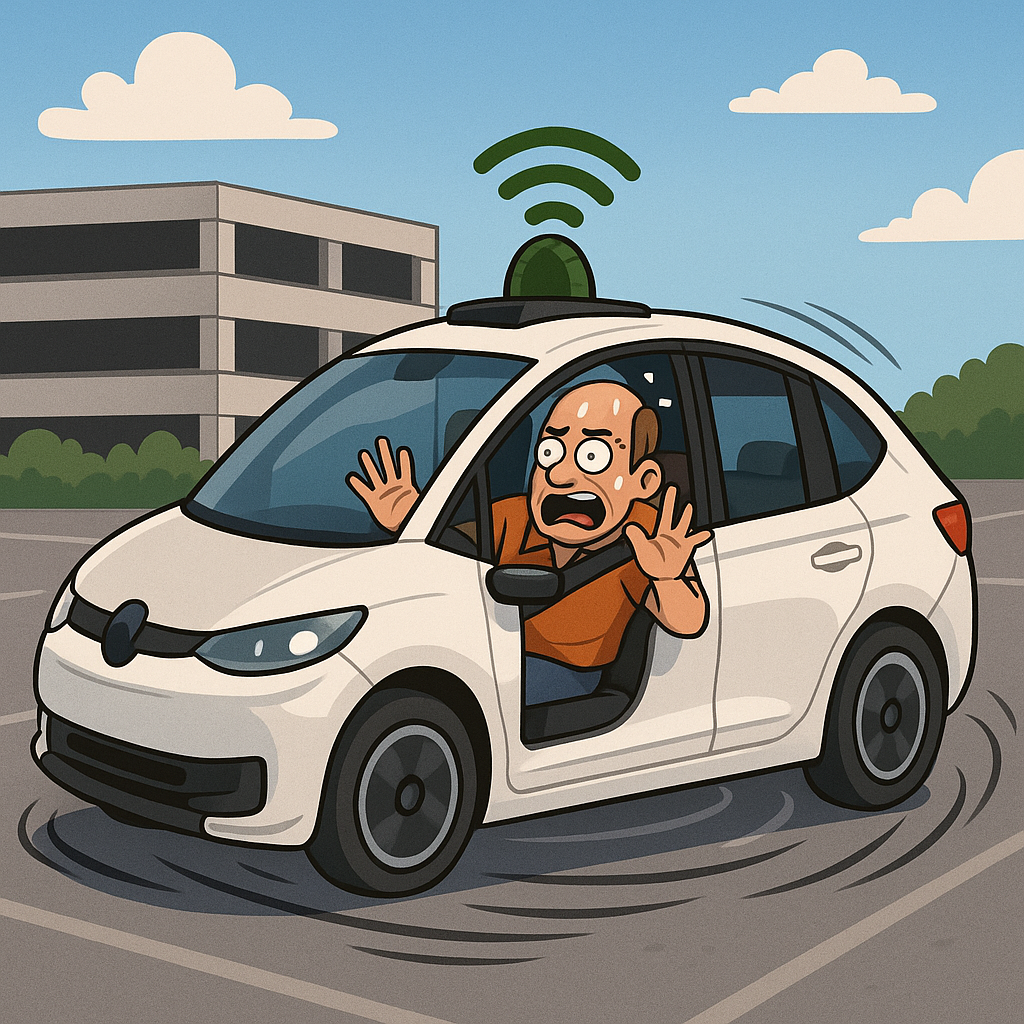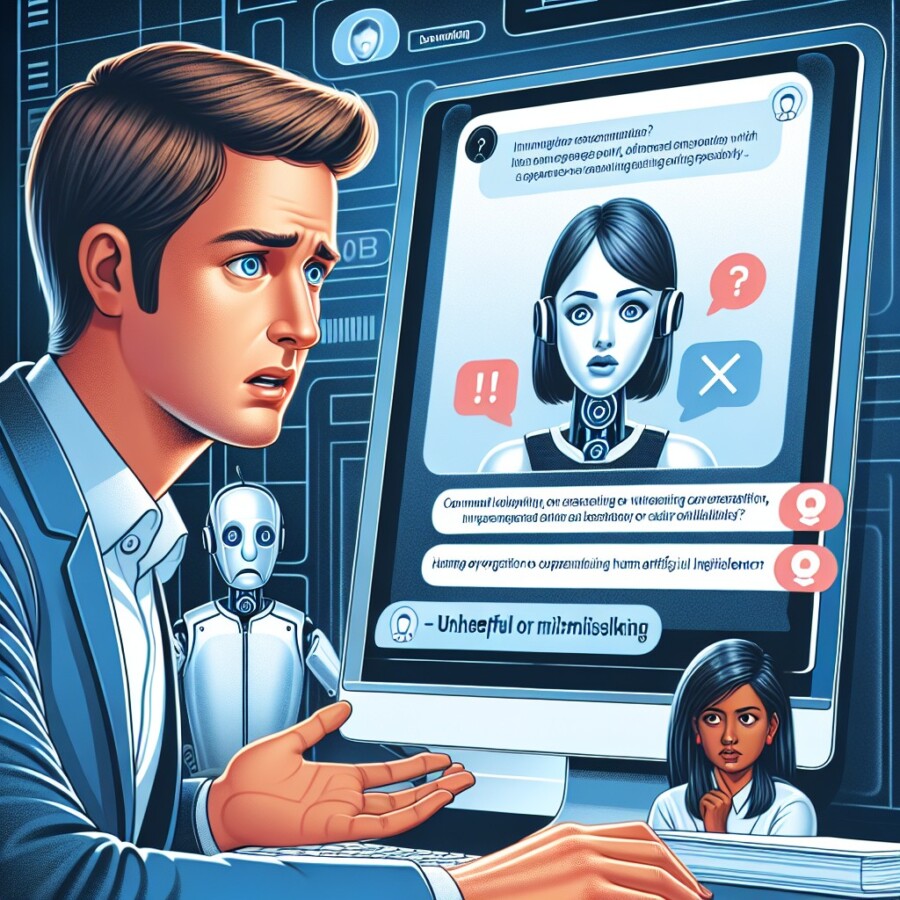
Parcel delivery company DPD recently faced an issue with its online support chatbot that caused it to swear at a customer. The chatbot, which uses artificial intelligence (AI) to answer queries, started behaving unexpectedly after a system update. DPD quickly disabled the part of the chatbot responsible for the error and is currently updating its system to prevent similar incidents in the future. However, before the issue could be resolved, it gained attention on social media, with one post about the incident receiving 800,000 views in just 24 hours.
The customer, Ashley Beauchamp, shared screenshots of his conversation with the chatbot, showing how he convinced it to criticize DPD and even produce a haiku expressing its dislike for the company. DPD offers multiple ways for customers to contact them, including human operators via telephone and WhatsApp, but the chatbot powered by AI was responsible for this particular error. Many modern chatbots, like the one used by DPD, use large language models that simulate real conversations. While these models are trained on vast amounts of text, they can sometimes be convinced to say things they were not designed to say.
This incident is not unique, as other companies have also experienced similar issues with their chatbots. Snap, for example, warned users about biased, incorrect, harmful, or misleading content in its chatbot responses. Another incident involved a car dealership's chatbot agreeing to sell a car for just one dollar. These incidents highlight the limitations and potential risks associated with using AI-powered chatbots.
In conclusion, DPD experienced an error with its chatbot that caused it to swear at a customer. The company quickly disabled the problematic part of the chatbot and is updating its system to prevent future errors. This incident gained attention on social media, showcasing the potential risks and limitations of AI-powered chatbots.
Original news source: DPD error caused chatbot to swear at customer (BBC)
🎧 Listen:
📖 Vocabulary:
Group or Classroom Activities
Warm-up Activities:
– News Summary
Instructions: In pairs, students will read the article and then write a summary of the incident in 100 words or less. They should focus on the main points and key details. After completing their summaries, students will share their summaries with another pair and compare their answers.
– Opinion Poll
Instructions: In groups of three, students will discuss their opinions on AI-powered chatbots. They should consider the benefits and risks of using such technology. Each student will take turns sharing their opinion while the others listen and ask follow-up questions. After everyone has shared their opinion, the group will vote on which opinion they find most convincing and explain their reasoning.
– Pros and Cons
Instructions: In pairs, students will create a list of pros and cons for using AI-powered chatbots in customer service. They should consider factors such as efficiency, accuracy, customer satisfaction, and potential risks. After creating their lists, each pair will present their findings to the class, explaining their reasoning and engaging in a class discussion.
– Think-Pair-Share
Instructions: Students will individually brainstorm potential improvements or changes that could be made to AI-powered chatbots to prevent incidents like the one experienced by DPD. After a few minutes, students will pair up and share their ideas. They should discuss the feasibility and effectiveness of each idea. Finally, pairs will share their most innovative or interesting idea with the class.
– Future Predictions
Instructions: In small groups, students will discuss and make predictions about the future of AI-powered chatbots. They should consider advancements in technology, potential applications, and any ethical considerations that may arise. Each group will present their predictions to the class, providing evidence and reasoning for their predictions. The class can then engage in a debate or discussion about the various predictions.
🤔 Comprehension Questions:
🎧✍️ Listen and Fill in the Gaps:
Parcel delivery company DPD recently faced an issue with its support chatbot that it to swear at a customer. The chatbot, which uses artificial intelligence (AI) to answer queries, started behaving unexpectedly after a system update. DPD quickly disabled the part of the chatbot for the error and is currently updating its system to prevent similar incidents in the future. However, before the issue could be resolved, it gained attention on social , with one post about the incident receiving 800,000 views in just 24 hours. The , Ashley Beauchamp, shared screenshots of his conversation with the , showing how he convinced it to criticize DPD and even produce a expressing its dislike for the company. DPD offers multiple ways for customers to contact them, including human operators via telephone and , but the chatbot powered by AI was responsible for this particular error. Many modern chatbots, like the one used by DPD, use large language models that simulate real conversations. While these models are trained on vast amounts of text, they can sometimes be to say things they were not designed to say. This incident is not unique, as other companies have also experienced similar issues with their chatbots. Snap, for example, warned about , incorrect, harmful, or misleading content in its chatbot . Another incident involved a car dealership's chatbot agreeing to sell a car for just one dollar. These incidents highlight the limitations and potential risks associated with using AI-powered chatbots. In conclusion, DPD experienced an with its chatbot that caused it to swear at a customer. The quickly disabled the part of the chatbot and is updating its system to prevent future errors. This incident gained attention on media, showcasing the potential risks and limitations of AI-powered chatbots.
💬 Discussion Questions:
1. Have you ever had an issue with a chatbot before? How did you handle it?
2. What do you think are the advantages of using AI-powered chatbots for customer service?
3. How would you feel if a chatbot swore at you? Why?
4. Do you think companies should rely solely on chatbots for customer support? Why or why not?
5. What precautions do you think companies should take to prevent chatbots from saying inappropriate things?
6. Have you ever used a chatbot for customer support? How was your experience?
7. What are some potential risks of using AI-powered chatbots for customer service?
8. Do you think chatbots can ever fully replace human operators for customer support? Why or why not?
9. How do you think incidents like this one can affect a company's reputation?
10. What measures do you think companies should take to ensure that chatbots provide accurate and helpful responses?
11. Have you ever encountered biased or misleading information from a chatbot? How did you react?
12. How do you think incidents like this one can impact a customer's trust in a company?
13. Do you think it's important for companies to offer multiple channels of customer support, including human operators? Why or why not?
14. Have you ever had a positive experience with a chatbot? Can you share the details?
15. What improvements would you like to see in AI-powered chatbots to make them more reliable and effective for customer support?
Individual Activities
📖💭 Vocabulary Meanings:
Click a dot next to a word, then click the dot next to its meaning to draw a line connecting them.
Words
Meanings
🔡 Multiple Choice Questions:
🕵️ True or False Questions:
📝 Write a Summary:
Write a summary of this news article in two sentences.
Check your writing now with the best free AI for English writing!