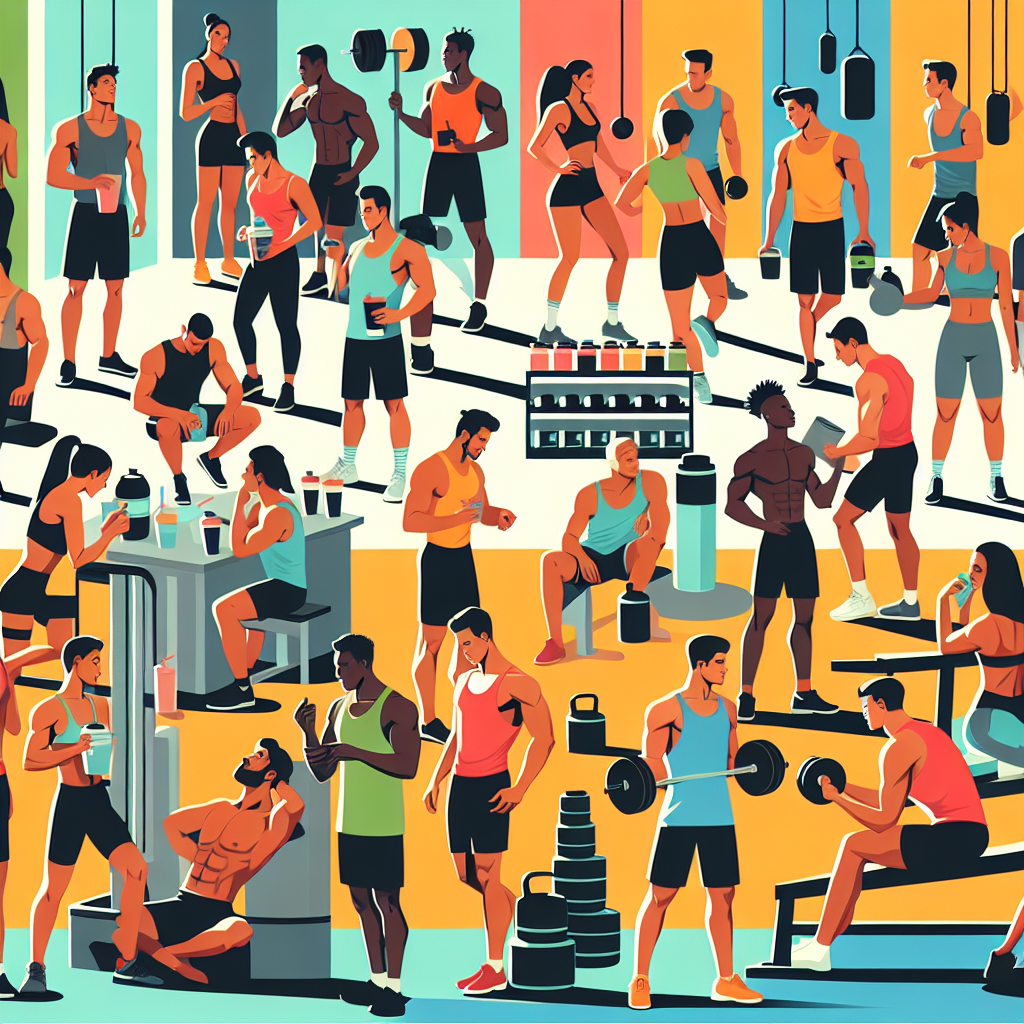
Recent research indicates that the use of protein shakes, pre-workout mixes, and other dietary supplements among adolescents and young adults may be linked to a body image disorder known as muscle dysmorphia. This condition is characterized by an excessive preoccupation with muscle development and leanness. Dr. Kyle Ganson, the lead author of the study and an assistant professor at the University of Toronto, highlights that the use of various muscle-building supplements, including whey protein and creatine, is associated with increased symptoms of muscle dysmorphia.
The study, published in the journal PLOS Mental Health, analyzed data from 2,731 participants aged 16 to 30, focusing on their supplement usage and symptoms of muscle dysmorphia. The findings revealed a strong correlation between the use of weight-gain supplements and the severity of symptoms, such as spending excessive time at the gym and obsessively monitoring food intake. However, it is important to note that the study is observational, making it difficult to determine whether supplement use causes muscle dysmorphia or if individuals with muscle dysmorphia are more inclined to use these supplements.
Muscle dysmorphia is a specific type of body dysmorphic disorder, where individuals perceive their bodies as inadequate, often believing they need to be leaner and more muscular. Dr. Ganson explains that those suffering from this disorder may face significant social challenges and emotional distress. Even achieving their ideal body image does not alleviate their dissatisfaction, as they often see themselves differently than others do. Warning signs of muscle dysmorphia include rigid exercise routines, emotional distress, and avoidance of social situations due to body image concerns.
The use of supplements to alter one's appearance is widespread, with a significant percentage of young adult males reporting the use of protein powders and other muscle-building substances. However, many of these supplements lack regulation, leading to potential health risks. Dr. Jason Nagata, a co-author of the study, points out that some supplements may be mislabeled or contaminated with harmful substances. Furthermore, the use of legal muscle-building supplements can sometimes lead to the use of anabolic steroids, which pose serious health risks.
Addressing muscle dysmorphia requires challenging the unrealistic ideals often perpetuated by social media, especially among teenagers. Dr. Nagata emphasizes the need for awareness regarding the impact of social media on body image and the promotion of muscle-building supplements. Effective treatment options include cognitive behavioral therapy to help individuals reframe their perceptions and, in some cases, medications for related mental health issues. Families, healthcare professionals, and sports coaches play a crucial role in recognizing the signs of muscle dysmorphia and supporting those affected by it.
Original news source: Muscle-building supplements may put teens at risk for a body image disorder, study finds (CNN)
🎧 Listen:
📖 Vocabulary:
Group or Classroom Activities
Warm-up Activities:
– CHARADES
Instructions: Students will act out various terms and phrases related to the article, such as "muscle dysmorphia," "protein shakes," and "anabolic steroids" without speaking, while their classmates guess what they are. This will help them familiarize themselves with the vocabulary.
– OPINION POLL
Instructions: Divide the class into small groups and ask them to discuss their opinions on dietary supplements and their effects on body image. After the discussion, each group will share their conclusions with the class, encouraging a debate on the topic.
– THINK-PAIR-SHARE
Instructions: Pose a thought-provoking question related to the article, such as "What do you think are the causes of muscle dysmorphia in young adults?" Students will first think individually, then pair up to share their thoughts, and finally share their insights with the whole class, promoting collaborative discussion.
– HEADLINE CREATION
Instructions: Students will work in pairs to create catchy headlines that summarize the main points of the article. After they create their headlines, each pair will share their ideas with the class, allowing for a variety of perspectives on the topic.
– SPEED SUMMARIZING
Instructions: Set a timer for two minutes and have students summarize the article in pairs. After the time is up, they will switch partners and summarize the article again. This will help them practice concise communication and reinforce the article's key points.
🤔 Comprehension Questions:
Muscle dysmorphia is a specific type of body dysmorphic disorder characterized by an excessive preoccupation with muscle development and leanness. Individuals with this condition perceive their bodies as inadequate, often believing they need to be leaner and more muscular, leading to significant social challenges and emotional distress.
The study analyzed data from 2,731 participants aged 16 to 30, focusing on their supplement usage and symptoms of muscle dysmorphia.
The findings revealed a strong correlation between the use of weight-gain supplements and the severity of muscle dysmorphia symptoms, such as spending excessive time at the gym and obsessively monitoring food intake.
Individuals with muscle dysmorphia face significant social challenges and emotional distress, often avoiding social situations due to their body image concerns.
Warning signs of muscle dysmorphia include rigid exercise routines, emotional distress, and avoidance of social situations due to body image concerns.
There is concern about the regulation of dietary supplements because many of these products lack regulation, which can lead to potential health risks, such as being mislabeled or contaminated with harmful substances.
Social media can contribute to the development of muscle dysmorphia by perpetuating unrealistic ideals of body image, which may influence teenagers' perceptions of themselves and their bodies.
Suggested treatment options include cognitive behavioral therapy to help individuals reframe their perceptions and, in some cases, medications for related mental health issues. Families, healthcare professionals, and sports coaches play a crucial role in recognizing the signs of muscle dysmorphia and supporting those affected by it.
🎧✍️ Listen and Fill in the Gaps:
Recent research indicates that the use of protein shakes, pre-workout mixes, and other dietary supplements among and young adults may be linked to a body image disorder known as muscle dysmorphia. This condition is characterized by an excessive preoccupation with muscle development and leanness. Dr. Kyle Ganson, the lead author of the and an assistant professor at the University of Toronto, highlights that the use of various muscle-building supplements, whey protein and , is associated with increased symptoms of muscle dysmorphia. The study, published in the journal PLOS Mental Health, analyzed data from 2,731 participants aged 16 to 30, focusing on their supplement usage and symptoms of muscle dysmorphia. The findings revealed a strong correlation between the use of weight-gain supplements and the severity of symptoms, such as spending excessive time at the gym and obsessively monitoring food intake. However, it is important to note that the study is , making it to whether supplement use causes muscle dysmorphia or if with muscle dysmorphia are more inclined to use these supplements. Muscle dysmorphia is a specific type of body dysmorphic disorder, where individuals perceive their bodies as inadequate, often believing they need to be leaner and more muscular. Dr. Ganson explains that those suffering from this disorder may face significant social challenges and emotional distress. Even achieving their ideal body image does not alleviate their dissatisfaction, as they often see themselves differently than others do. Warning signs of muscle dysmorphia include rigid routines, emotional distress, and avoidance of social due to body image concerns. The use of supplements to alter one's appearance is widespread, with a percentage of young adult males reporting the use of protein powders and other muscle-building . However, many of these supplements lack regulation, leading to potential health risks. Dr. Jason Nagata, a co-author of the study, points out that some supplements may be mislabeled or contaminated with harmful substances. Furthermore, the use of legal -building supplements can sometimes lead to the use of anabolic steroids, which pose serious health risks. Addressing muscle dysmorphia challenging the unrealistic ideals often perpetuated by social media, especially among teenagers. Dr. Nagata emphasizes the need for awareness regarding the of social media on body image and the promotion of muscle-building supplements. Effective treatment include cognitive behavioral therapy to help individuals reframe their perceptions and, in some cases, medications for related mental health issues. Families, healthcare professionals, and sports coaches play a crucial role in recognizing the signs of muscle dysmorphia and supporting those affected by it.
💬 Discussion Questions:
1. What is your opinion on the use of dietary supplements among young adults? Do you think they are beneficial or harmful? Why?
2. How would you feel if you or someone close to you struggled with muscle dysmorphia?
3. Do you think social media plays a significant role in shaping body image perceptions? Why or why not?
4. Have you ever felt pressured to look a certain way due to societal standards? How did that affect you?
5. What is a healthy approach to fitness and body image, in your opinion?
6. How would you respond if a friend expressed dissatisfaction with their body image?
7. Do you think it’s possible to achieve a balance between fitness goals and mental health? Why or why not?
8. What is your experience with exercise routines? Do you think they can become obsessive? Why or why not?
9. How do you think families can better support young adults dealing with body image issues?
10. Do you like the idea of using supplements to enhance physical performance? Why or why not?
11. How would you feel if you discovered that a supplement you were using was unsafe or mislabeled?
12. Do you think educational programs about body image should be implemented in schools? Why or why not?
13. What is a common misconception about body image that you think needs to be addressed?
14. How do you think mental health professionals can effectively help individuals with muscle dysmorphia?
15. Do you believe that achieving an "ideal" body image can lead to happiness? Why or why not?
Individual Activities
📖💭 Vocabulary Meanings:
Click a dot next to a word, then click the dot next to its meaning to draw a line connecting them.
Words
Meanings
🔡 Multiple Choice Questions:
🕵️ True or False Questions:
📝 Write a Summary:
Write a summary of this news article in two sentences.
Check your writing now with the best free AI for English writing!