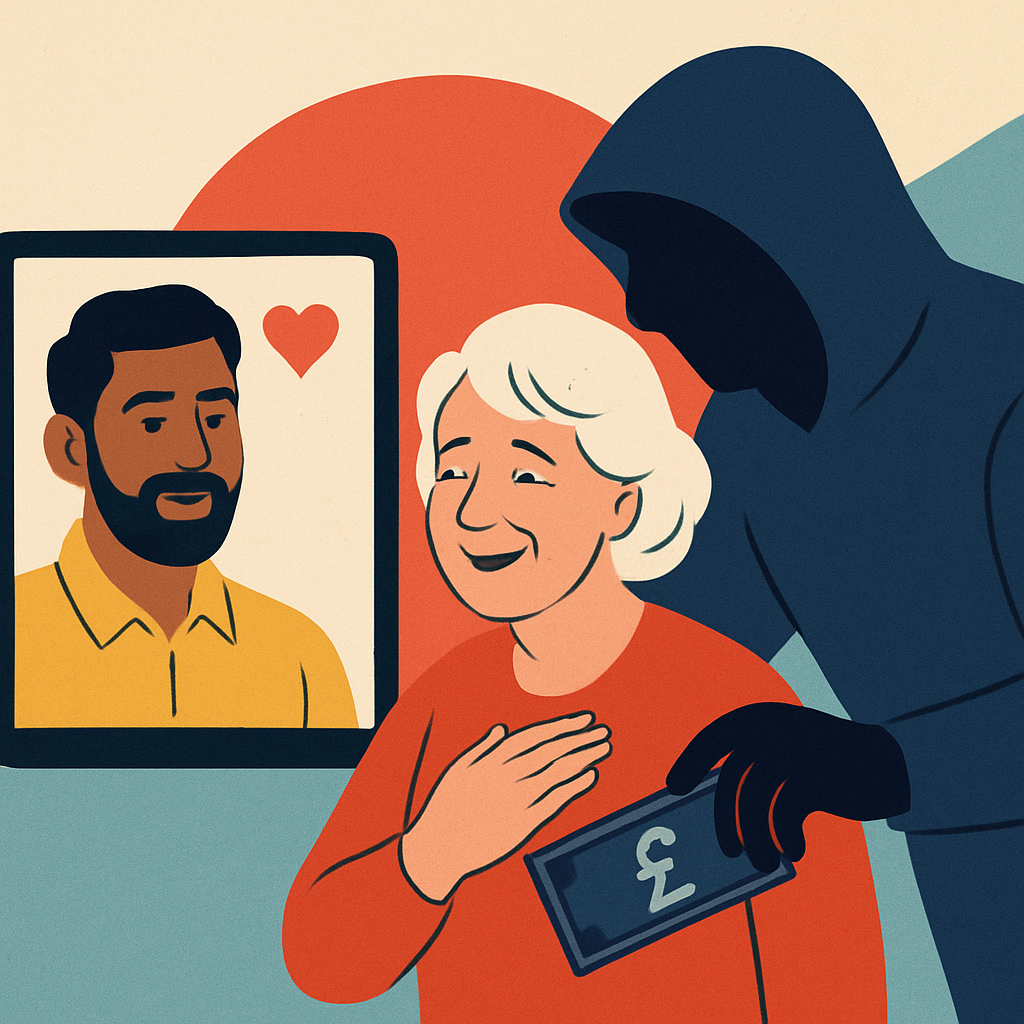
Helen's mother, at eighty years old, fell victim to a sophisticated online romance scam, losing £140,000. She met her presumed partner on Facebook, where fraudsters employed deepfake technology to alter their appearance in images and video calls, convincing her to send significant amounts of money for fabricated emergencies. The fraudsters continually created scenarios requiring financial assistance, from medical operations to kidnapping threats.
Helen first realized something was amiss from messages accidentally sent to her, intended for the scammers. Concerned about her mother's secrecy and increased communication with unknown contacts, Helen grew suspicious. She attempted to understand what was happening, listening to bizarre justifications and recognizing her mother's emotional struggle.
With rising cases of fraud due to advanced deception tactics, experts stress the importance of observing behavioral changes and unusual financial activities. Helen approached the situation with care, avoiding confrontations, but offering support and patience to appeal to her mother’s trust in confronting the false relationship.
To expose the scam, Helen engaged directly by speaking to the scammer via video call, identifying deepfake inconsistencies like mismatched lip-syncing. Despite evidence, her mother defended the relationship, embarrassed at the possibility of it being a scam, which highlights the emotional complexity in breaking such deceitful binds.
Unable to convince her mother outright, Helen sought assistance from her mother's bank, implementing security measures to prevent further exploitation. Experts recommend resetting digital footprints including phone numbers and online accounts to sever contact with scammers. This case illustrates the critical role of familial vigilance and professional guidance in safeguarding vulnerable individuals from sophisticated fraud schemes.
Original news source: 'Mum sent them £140,000': How to spot the signs a loved one is being scammed – BBC News (BBC)
🎧 Listen:
📖 Vocabulary:
Group or Classroom Activities
Warm-up Activities:
1. Share any recent news about online scams you've heard about.
2. Discuss in pairs different ways technology can be used in scams.
3. Have you or anyone you know experienced an online scam? Share what happened.
4. What are potential signs someone might be scamming you online?
5. How would you help an elderly family member avoid online scams?
🤔 Comprehension Questions:
Her mother was misled through deepfake technology, altering the scammers' appearance to appear genuine.
Messages meant for the scammers were accidentally sent to Helen.
They created fabricated scenarios that demanded financial help, such as medical operations and kidnapping threats.
She spoke to the scammer directly via video call and identified deepfake inconsistencies.
She maintained care and patience to gain her mother's trust and help confront the false relationship.
Helen sought assistance from the bank to implement security measures and reset digital footprints.
She was embarrassed at the possibility of it being a scam and emotionally invested in the relationship.
🎧✍️ Listen and Fill in the Gaps:
Helen's mother, at eighty years old, fell victim to a online romance scam, losing £140,000. She met her partner on Facebook, where fraudsters deepfake technology to alter their appearance in images and video calls, convincing her to send significant amounts of money for fabricated . The fraudsters continually created scenarios requiring financial assistance, from medical operations to kidnapping threats. Helen first something was amiss from messages accidentally sent to her, intended for the scammers. Concerned about her mother's secrecy and increased communication with unknown contacts, Helen grew . She to understand what was , listening to bizarre justifications and recognizing her mother's emotional struggle. With rising cases of fraud due to advanced deception tactics, experts stress the importance of observing behavioral changes and unusual financial . Helen the situation with care, avoiding confrontations, but support and patience to appeal to her mother’s trust in confronting the false relationship. To expose the scam, Helen engaged directly by speaking to the scammer via video call, identifying deepfake like mismatched lip-syncing. Despite evidence, her mother defended the relationship, embarrassed at the possibility of it being a scam, which highlights the emotional complexity in such deceitful binds. Unable to convince her mother outright, Helen sought assistance from her mother's bank, implementing security measures to prevent further exploitation. recommend digital footprints including phone numbers and online accounts to sever contact with scammers. This case illustrates the critical role of vigilance and professional guidance in safeguarding vulnerable individuals from sophisticated fraud schemes.
💬 Discussion Questions:
1. How do you think deepfake technology impacts societal trust?
2. Why might elderly people be more susceptible to online scams?
3. How can families communicate openly about financial safety?
4. Do you believe social media companies should do more to prevent scams?
5. What steps can individuals take to educate themselves against scams?
6. Is it possible to completely safeguard personal information online?
7. How important is vigilance in preventing fraud?
8. Should banks have more responsibility in protecting clients from fraud?
9. How does embarrassment play a role in scam victims seeking help?
10. What can be done to emotionally support victims of scams?
11. How might scam detection change with advancements in technology?
12. What role should educational institutions play in fraud awareness?
Individual Activities
📖💭 Vocabulary Meanings:
Click a dot next to a word, then click the dot next to its meaning to draw a line connecting them.