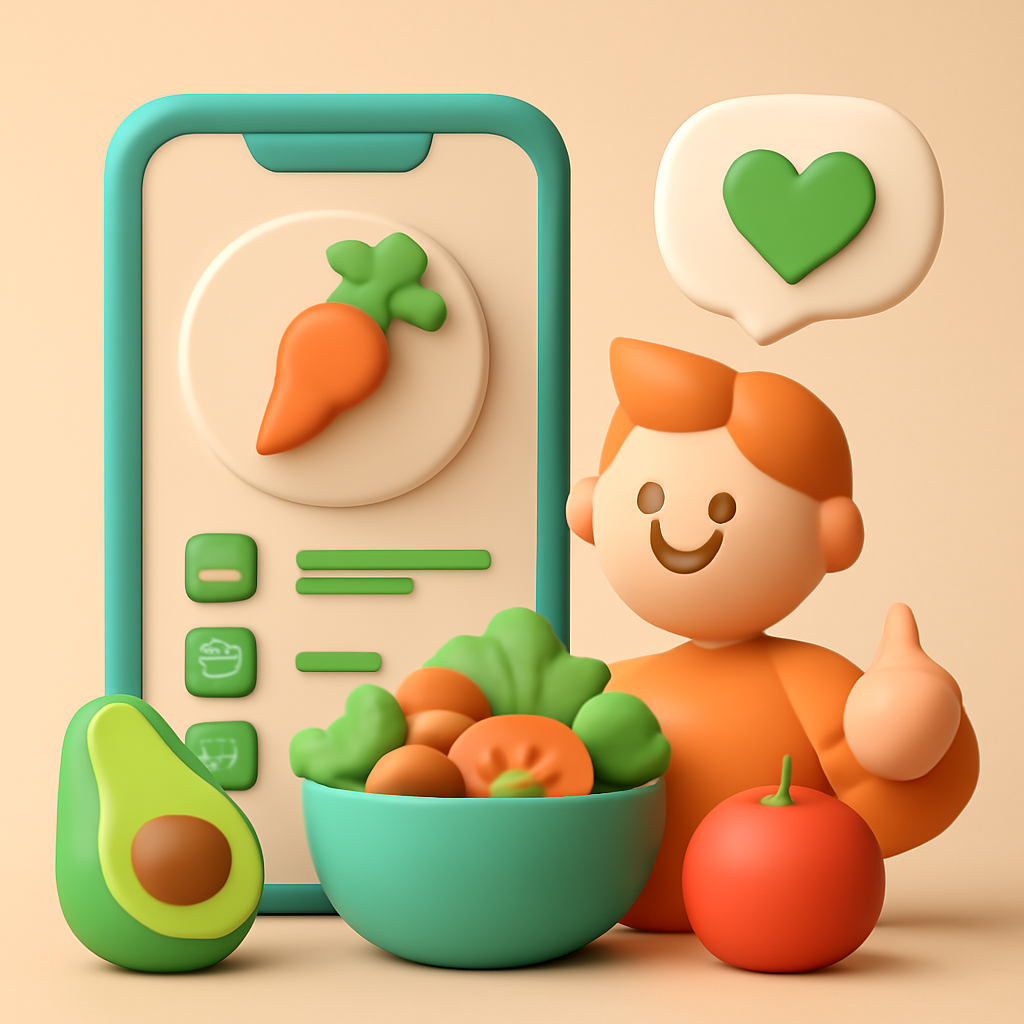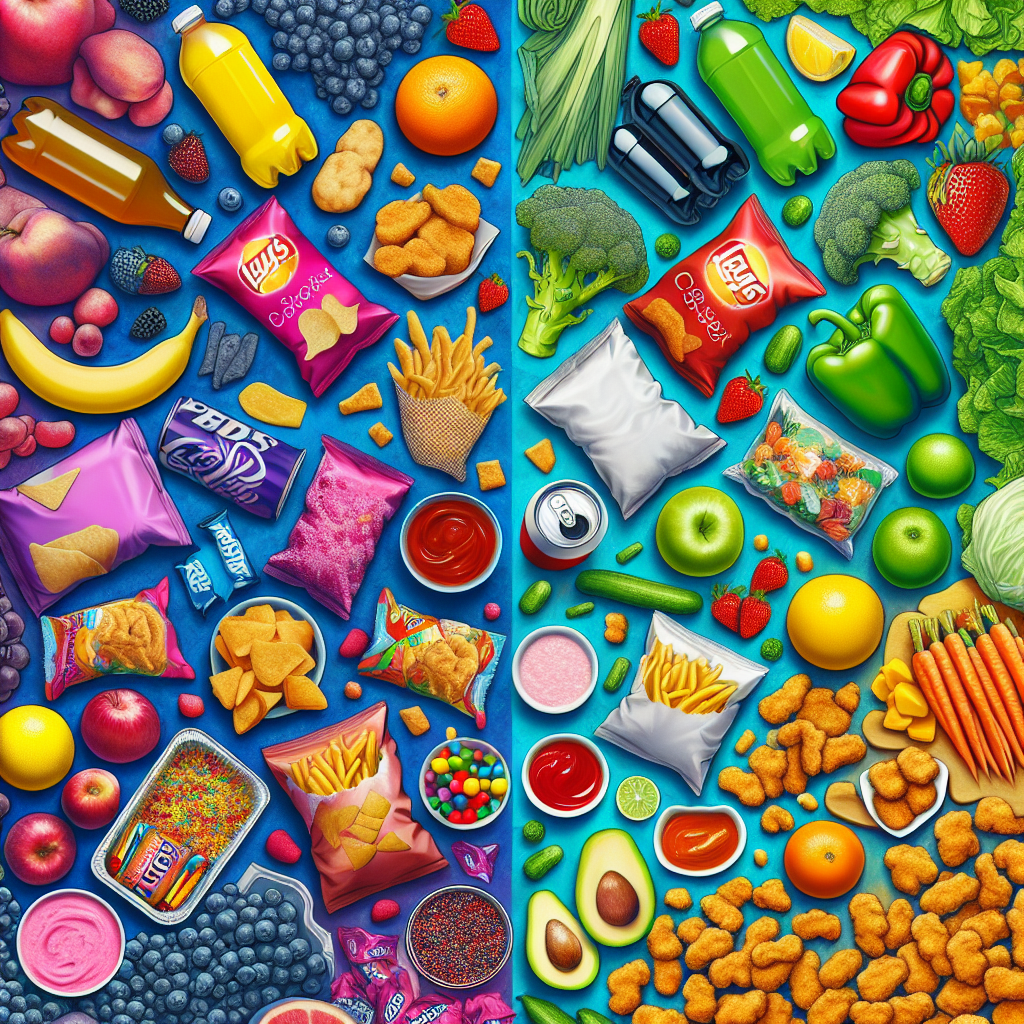
Ultra-processed foods are foods like chicken nuggets, sugary snacks, and fizzy drinks. Many people in the UK eat a lot of these foods, especially kids and people with less money. Some experts think these foods might make people sick, like causing heart problems or making people sad. But not everyone agrees on how bad these foods are. They are still trying to figure out if these foods are the reason people get sick.
Studying these foods is hard because it's tricky to see if they really cause health problems. One study showed people who eat a lot of these foods might die earlier, but it doesn't prove it's the food's fault. To know for sure, scientists need to do big, expensive studies. These studies are hard because people have to eat certain foods for a long time, and that's tough to manage. Even though it's not clear how bad these foods are, experts say eating more fruits and veggies is good.
Original news source: Why we might never know the truth about ultra-processed foods (BBC)
🎧 Listen:
📖 Vocabulary:
Group or Classroom Activities
Warm-up Activities:
– CHARADES
Instructions: Divide the class into small groups. Each group will take turns acting out different ultra-processed foods (like chicken nuggets or fizzy drinks) without speaking, while the other groups guess what they are. This will help students learn vocabulary related to food.
– WORD ASSOCIATION
Instructions: Start with the word "food." Students will take turns saying a word related to food, trying to connect it to the previous word. For example, if someone says "pizza," the next might say "cheese." This encourages vocabulary expansion and quick thinking.
– VOCABULARY PICTIONARY
Instructions: Write vocabulary words from the article (like "ultra-processed," "fruits," "veggies") on slips of paper. Students will take turns drawing a word from the paper and then drawing it on the board while their classmates guess the word. This reinforces vocabulary retention in a fun way.
– THINK-PAIR-SHARE
Instructions: Pose a question related to the article, such as "Do you think ultra-processed foods are good or bad for health?" Students will think individually, pair up to discuss their thoughts, and then share with the class. This promotes speaking and listening skills.
– FUTURE PREDICTIONS
Instructions: Ask students to predict what they think will happen in the future regarding ultra-processed foods and health. They can share their ideas in pairs and then discuss as a class. This activity encourages creative thinking and speaking practice.
🤔 Comprehension Questions:
Chicken nuggets, sugary snacks, and fizzy drinks.
Kids and people with less money.
They think these foods might make people sick, like causing heart problems or making people sad.
It is hard because scientists need to see if the food really makes people sick, and that takes a long time to study.
One study said people who eat a lot of these foods might die earlier.
Scientists need to do big, expensive studies to find out more.
Experts say eating more fruits and veggies is good.
🎧✍️ Listen and Fill in the Gaps:
Ultra-processed foods are foods like chicken nuggets, sugary snacks, and fizzy drinks. Many in the UK eat a lot of these foods, especially kids and people with less . Some experts think these foods might make people sick, like causing heart problems or making people sad. But not everyone on how bad these foods are. They are still trying to figure out if these foods are the people get sick. Studying these foods is hard because it's tricky to see if they really cause health problems. One showed people who eat a lot of these foods might die earlier, but it doesn't prove it's the food's fault. To know for sure, scientists to do big, expensive studies. These studies are hard because people to eat foods for a long time, and that's tough to manage. Even though it's not clear how bad these foods are, experts say eating more fruits and veggies is good.
💬 Discussion Questions:
1. What is your favorite food?
2. Do you like chicken nuggets? Why or why not?
3. How would you feel if you could only eat sugary snacks?
4. Do you think eating fruits and veggies is important? Why?
5. What is a fizzy drink? Do you like them?
6. How do you feel when you eat healthy food?
7. Do you think kids should eat less fast food? Why?
8. What is your favorite fruit or vegetable?
9. How would you feel if you had to eat the same food every day?
10. Do you think it is easy or hard to eat healthy? Why?
11. What do you think makes people happy?
12. How do you feel when you see someone eating a lot of junk food?
Individual Activities
📖💭 Vocabulary Meanings:
Click a dot next to a word, then click the dot next to its meaning to draw a line connecting them.
Words
Meanings
🔡 Multiple Choice Questions:
🕵️ True or False Questions:
📝 Write a Summary:
Write a summary of this news article in two sentences.
Check your writing now with the best free AI for English writing!