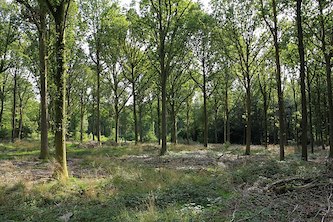

There are many different co-working places that are growing and helping people work near their homes. They have things that make working nice and easy. People like these places because they are close to their kids, friends, and stores. Even if a big co-working company called WeWork had money problems, the smaller places are doing well. These places help the towns and make the people who work there feel like they are part of a group.
Original news source: Work near home: The co-working hubs for locals (BBC)
📖 Vocabulary:
Group or Classroom Activities
Warm-up Activities:
– Sketch It
Instructions: Give each student a piece of paper and ask them to draw a co-working space based on the description in the article. Encourage them to add details like people working, proximity to homes, stores, and friends. After they finish, have the students show their drawings to the class and describe them using simple sentences.
– News Reporter Role-play
Instructions: Pair up the students and assign one to be a reporter and the other a person who works in a co-working space. The reporter will interview their partner with pre-written questions about why they like working in a co-working space. This will help students practice asking and answering questions in English.
– Opinion Poll
Instructions: Create a list of simple questions related to the article, such as "Do you like to work close to home?" or "Are co-working spaces good for towns?" Have students walk around the classroom and ask their classmates these questions, tallying the answers. Then, discuss the results as a class, allowing students to practice using phrases of agreement or disagreement.
– Word Association
Instructions: Write the term "co-working space" on the board. Ask students to say or write words they think are associated with this term (e.g., work, home, town, friends, travel). This activity helps to activate prior knowledge and introduce new vocabulary.
– Vocabulary Pictionary
Instructions: Write down key vocabulary from the article on slips of paper (e.g., work, travel, co-working, town, group). Divide the class into two teams. A student from one team picks a slip and draws the word for their teammates to guess within a time limit. This activity will help reinforce new vocabulary from the article in a fun and interactive way.
🤔 Comprehension Questions:
Some people do not want to work far from their homes.
People like to work in co-working spaces that are close to their homes.
The place is called Patch.
Co-working spaces are good because people don't have to travel much and can work better.
People like being close to their kids, friends, and stores.
WeWork had money problems.
Co-working places make people feel like they are part of a group.
🎧✍️ Listen and Fill in the Gaps:
Some people do not want to work far away from their homes anymore. They like to work in called "co-working spaces" that are close to where they . A place called Patch lets people work together in a town called Twickenham. These places are good because people do not have to a lot and they can work better. and more people like these places. There are many different co-working places that are growing and helping work near their homes. They have things that make working nice and easy. People like these places because they are to their kids, friends, and stores. Even if a big co-working company called WeWork had problems, the places are doing well. These places help the towns and make the people who work there feel like they are part of a group.
💬 Discussion Questions:
1. What is a place where you can work?
2. Do you like to work near your home? Why or why not?
3. How would you feel if you had to work far away?
4. What is a "co-working space"?
5. Do you think working with other people is fun? Why?
6. Would you like to work in a place with friends? Why or why not?
7. How do you feel when you have to travel a lot?
8. What makes a good place to work?
9. Do you like being close to your family when you work? Why?
10. What do you think about working near stores?
11. Do you think it is important to feel like part of a group? Why?
12. Would you like to work in a big company or a small place? Why?
Individual Activities
📖💭 Vocabulary Meanings:
Click a dot next to a word, then click the dot next to its meaning to draw a line connecting them.
Words
Meanings
🔡 Multiple Choice Questions:
🕵️ True or False Questions:
📝 Write a Summary:
Write a summary of this news article in two sentences.
Check your writing now with the best free AI for English writing!