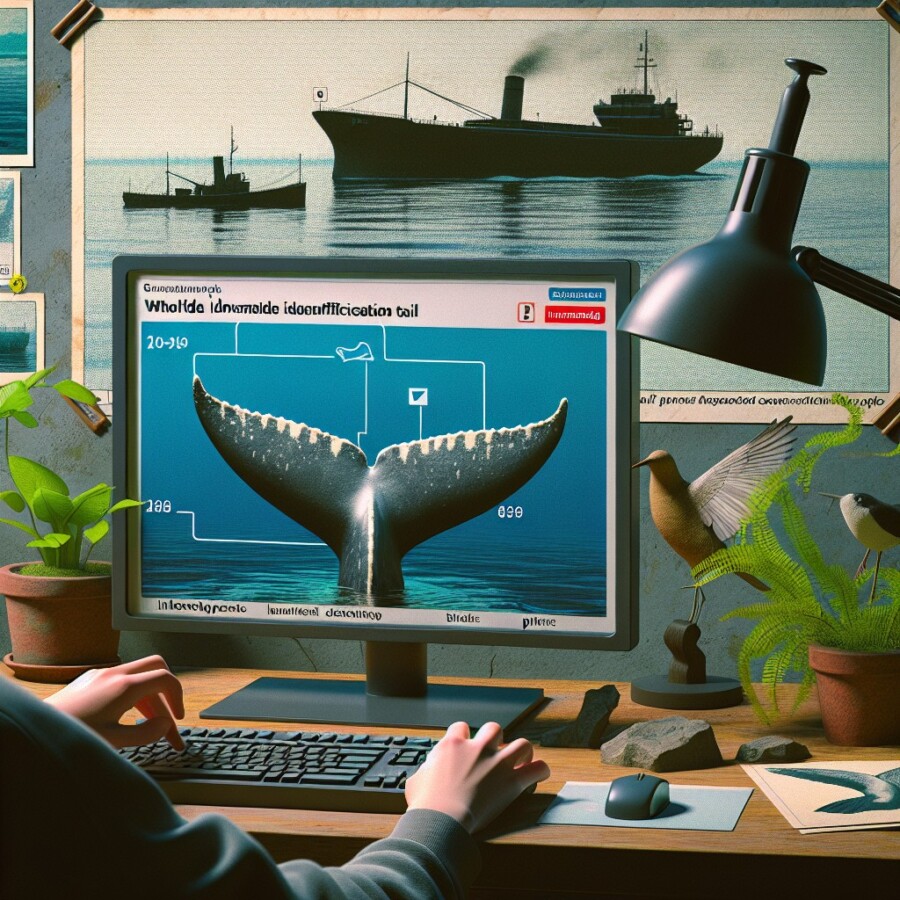
A man named Ted Cheeseman made a computer program called HappyWhale that helps people know which whale they have seen. People can put pictures of whales on the HappyWhale website, and the computer will tell them which whale it is by looking at the tail. The computer knows a lot about whales and can show where the whale has been before. HappyWhale helps scientists learn how many whales there are and where they go.
There is also a special app for birds called Merlin Bird ID made by the Cornell Lab of Ornithology. With this app, you can take a picture of a bird or record its song, and the app will tell you what kind of bird it is. The app asks you to share more about the bird, like where you saw it and what it looks like. This information helps scientists know about birds, where they travel, and how many there are.
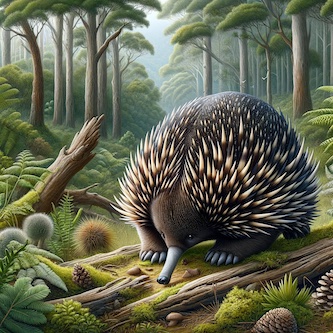
Another app called iNaturalist can tell you the name of different animals and plants from your photos. The app learned from many pictures and gets smarter with each new photo. It looks for patterns to guess what plant or animal is in the picture. A person who helped make the app, Grant Van Horn, thinks these apps are good because they help people learn and care more about animals and plants.
Original news source: Name that whale! How AI aces animal spotting (BBC)
🎧 Listen:
📖 Vocabulary:
Group or Classroom Activities
Warm-up Activities:
– Charades
Instructions: Divide the students into two teams. Write down the names of different animals and plants mentioned in the article on separate pieces of paper. One student from each team will come to the front and pick a piece of paper. Without speaking, they must act out the animal or plant for their team to guess. The team that guesses correctly gets a point. Continue until all the papers have been used or for a set time limit. The team with the most points at the end wins.
– Opinion Poll
Instructions: Ask the students to form pairs. Give each pair a list of questions related to the article (e.g., "Do you think apps like HappyWhale and Merlin Bird ID are helpful for learning about animals? Why or why not?"). Each student will take turns asking their partner the questions and recording their responses. Afterward, have a class discussion where students share their partner's opinions and discuss their own thoughts on the topic.
– Vocabulary Pictionary
Instructions: Divide the students into small groups. Give each group a set of vocabulary words related to the article (e.g., whale, bird, app, scientist, plant). One student from each group will pick a word and draw a picture to represent it, while the other group members try to guess the word. The student who guesses correctly gets a point for their group. Continue until all the words have been used or for a set time limit. The group with the most points at the end wins.
– Speed Summarizing
Instructions: Divide the students into pairs. Give each pair a set of sentence strips with key points from the article (e.g., "Ted Cheeseman made HappyWhale to identify whales through their tails", "Merlin Bird ID helps identify birds through pictures and recordings", "iNaturalist can identify animals and plants through photos"). Set a timer for a short amount of time (e.g., 2 minutes) and challenge the pairs to summarize the article using the sentence strips. After the time is up, have pairs take turns sharing their summaries with the class.
– Pros and Cons
Instructions: Divide the students into small groups. Assign each group a topic related to the article (e.g., "Pros and cons of using technology to identify animals", "Pros and cons of citizen science apps"). Give the groups a few minutes to discuss and write down their ideas. Then, have each group present their pros and cons to the class, encouraging a class discussion and debate on the different viewpoints.
🤔 Comprehension Questions:
The computer program is called HappyWhale.
HappyWhale identifies the whale by looking at its tail.
HappyWhale can show where the whale has been before.
The special app for birds is called Merlin Bird ID.
Merlin Bird ID identifies the bird by analyzing the picture or recording of its song.
Merlin Bird ID asks you to share where you saw the bird and what it looks like.
The app is called iNaturalist.
🎧✍️ Listen and Fill in the Gaps:
A man named Ted Cheeseman made a computer program called HappyWhale that people know which they have seen. People can put pictures of on the HappyWhale website, and the computer will tell them which whale it is by looking at the tail. The computer knows a lot about whales and can show where the whale has been before. HappyWhale helps scientists learn how whales there are and where they go. There is also a app for birds called Merlin Bird ID made by the Cornell Lab of . With this app, you can take a picture of a bird or record its song, and the app will tell you what kind of bird it is. The app asks you to share more about the bird, like where you saw it and what it looks like. This information helps scientists about birds, where they travel, and how many there are. Another app called can tell you the name of different and plants from your . The app learned from many pictures and gets smarter with each new photo. It looks for patterns to guess what plant or animal is in the picture. A who helped make the app, Grant Van Horn, thinks these apps are good because they help people learn and more about animals and plants.
💬 Discussion Questions:
1. What is HappyWhale and how does it help people?
2. Have you ever seen a whale? How would you feel if you could use HappyWhale to know which whale you saw?
3. What is Merlin Bird ID and how does it help people identify birds?
4. Do you like birds? Why or why not?
5. Have you ever used an app to identify a bird? How did it make you feel?
6. What is iNaturalist and how does it help people identify animals and plants?
7. Do you like taking pictures of animals and plants? Why or why not?
8. Have you ever used iNaturalist to identify an animal or plant? How did it make you feel?
9. How do you think these apps can help scientists learn more about animals and plants?
10. Do you think it's important to learn about animals and plants? Why or why not?
11. What other ways can technology help us learn about animals and plants?
12. Why do you think it's good for people to care more about animals and plants?
Individual Activities
📖💭 Vocabulary Meanings:
Click a dot next to a word, then click the dot next to its meaning to draw a line connecting them.
Words
Meanings
🔡 Multiple Choice Questions:
🕵️ True or False Questions:
📝 Write a Summary:
Write a summary of this news article in two sentences.
Check your writing now with the best free AI for English writing!