

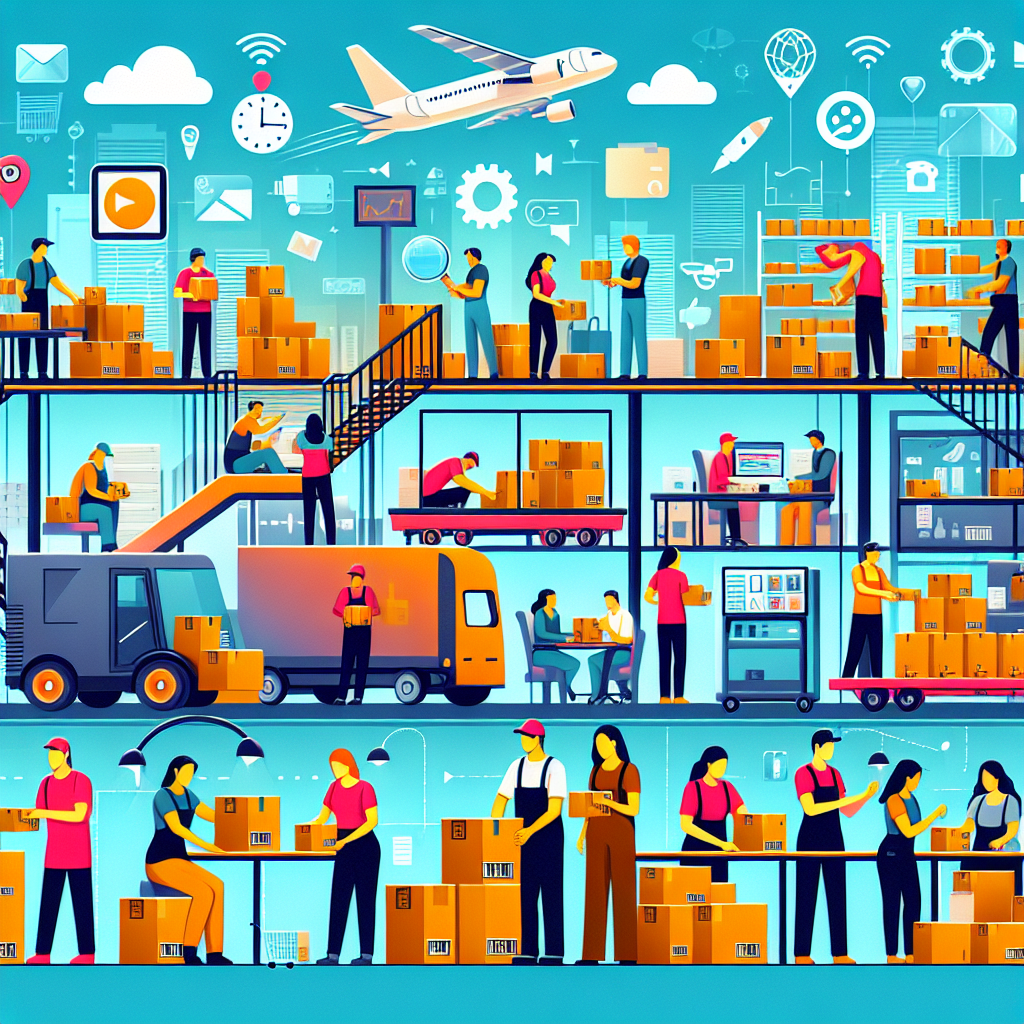
Amazon is now 30 years old. It started as a bookstore online but now sells almost everything. Amazon has 175 big warehouses around the world and sends out millions of packages every day. Besides shopping, Amazon also has movies, smart home gadgets, and cloud services.
Amazon was started by Jeff Bezos in 1994. It grew very fast and changed a lot, but some people criticize it for how it treats workers and pays taxes. Now, people wonder what Amazon will do next. Some think it might use its shopping data for better ads or combine its different services more.
Amazon faces new challenges from companies like Temu and Shein that sell cheaper products. Some think these companies won't be as big as Amazon, but others say Amazon will stay on top if people keep using it to shop. To stay ahead, Amazon might need to use new technology like artificial intelligence. It also has to deal with rules and competition as online shopping changes.
Original news source: Amazon at 30: What next for 'The Everything Company'? (BBC)
🎧 Listen:
📖 Vocabulary:
Group or Classroom Activities
Warm-up Activities:
– CHARADES
Instructions: Divide the class into small groups. Each group will take turns acting out different aspects of Amazon's business (like shopping, delivery, or cloud services) without using any words. The other groups will guess what they are acting out.
– HEADLINE CREATION
Instructions: Have students work in pairs to create catchy headlines based on the article about Amazon. Encourage them to think creatively and use interesting adjectives. Afterward, each pair can share their headlines with the class.
– OPINION POLL
Instructions: Write statements related to Amazon on the board (e.g., "Amazon is good for shoppers" or "Amazon should pay more taxes"). Students will walk around the classroom and ask their classmates whether they agree or disagree with each statement, tallying responses.
– MIND MAP
Instructions: On a large piece of paper or a whiteboard, write "Amazon" in the center. As a class, brainstorm different aspects of Amazon mentioned in the article (such as "shopping," "warehouses," "criticism") and create a mind map around the main idea.
– FUTURE PREDICTIONS
Instructions: Students will work in small groups to discuss and write down their predictions about what Amazon might do in the next 10 years. After discussing, each group will present one prediction to the class, explaining their reasoning.
🤔 Comprehension Questions:
Amazon was started in 1994 by Jeff Bezos.
Amazon first sold books online.
Amazon has 175 big warehouses around the world.
Besides shopping, Amazon offers movies, smart home gadgets, and cloud services.
Some people criticize Amazon for how it treats workers and how it pays taxes.
Amazon is facing challenges from companies like Temu and Shein that sell cheaper products.
Amazon might need to use new technology like artificial intelligence to stay ahead.
🎧✍️ Listen and Fill in the Gaps:
Amazon is now 30 old. It started as a bookstore online but now sells almost everything. Amazon has 175 big warehouses around the world and out millions of packages every day. Besides shopping, Amazon also has , smart home gadgets, and cloud services. Amazon was started by Jeff Bezos in 1994. It grew very fast and changed a lot, but some people it for how it treats and pays taxes. Now, people what Amazon will do next. Some think it might use its shopping data for better ads or combine its services more. Amazon faces new from companies like Temu and Shein that cheaper products. Some think these companies won't be as big as Amazon, but others say will stay on top if people keep using it to . To stay ahead, Amazon might to use new technology like artificial intelligence. It also has to deal with rules and competition as online shopping changes.
💬 Discussion Questions:
1. What is your favorite thing to buy online?
2. How would you feel if you had to wait a long time for a package you ordered?
3. Do you like shopping at Amazon? Why or why not?
4. What is a good thing about shopping online?
5. How do you think online shopping will change in the future?
6. Do you think it is important for companies to treat their workers well? Why?
7. What is your opinion about companies that sell things very cheap?
8. How would you feel if you could only buy things from one store?
9. Do you think it is better to shop online or in a store? Why?
10. What is a smart home gadget you would like to have?
11. How do you think Amazon can stay popular with customers?
12. Do you think using new technology like artificial intelligence is a good idea for companies? Why or why not?
Individual Activities
📖💭 Vocabulary Meanings:
Click a dot next to a word, then click the dot next to its meaning to draw a line connecting them.
Words
Meanings
🔡 Multiple Choice Questions:
🕵️ True or False Questions:
📝 Write a Summary:
Write a summary of this news article in two sentences.
Check your writing now with the best free AI for English writing!