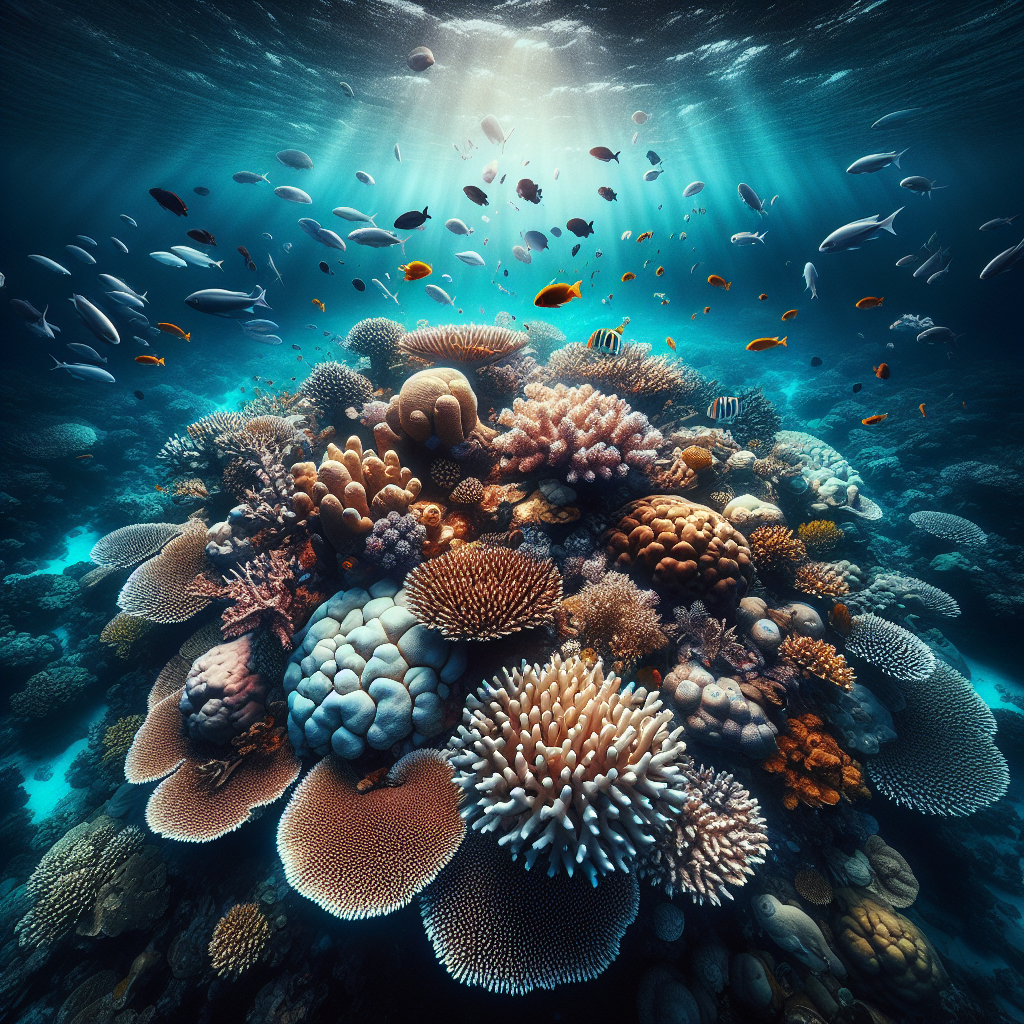


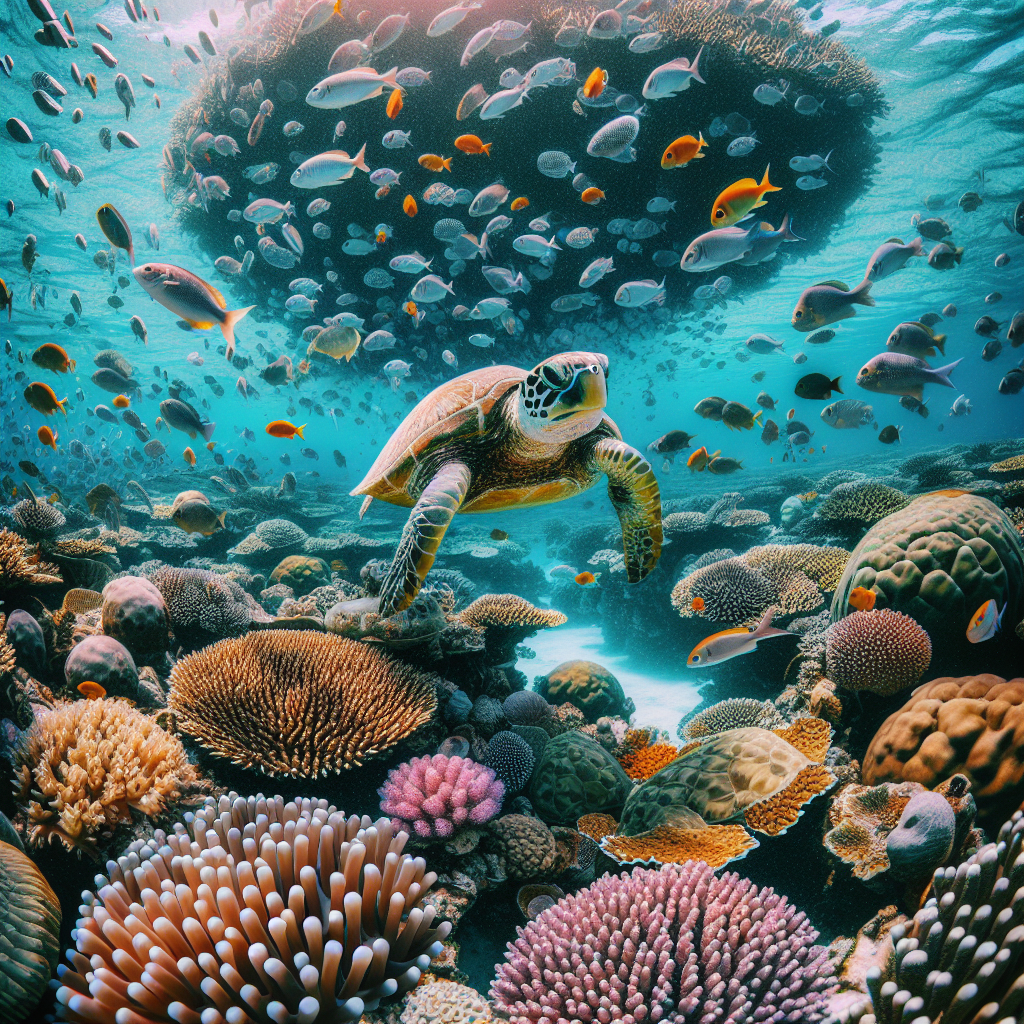
Three years ago, the coral reef around Mnemba Island in Tanzania was almost dead because of climate change and too much fishing. The people on the island started a project to save the reef. They grew small pieces of coral in underwater nurseries and then planted them back on the reef. This helped bring back 80% of the coral and also created new reefs to attract fish and tourists.
The project worked well because the local people, a tourism group, a non-profit, and the government all worked together. The government made the area around the island a protected zone. They also limited the number of visitors and charged higher fees. Fishing was stopped near the reef, which helped reduce illegal fishing and taught fishermen better ways to fish.
Seeing the success, the Zanzibar government wants to do the same in other places. They found 14 areas with healthy reefs and some with damaged ones to protect. They put markers in the water to stop fishing in these spots. The project can't stop the sea from getting warmer, but it aims to bring the reefs back to how they were and hopes to inspire others to do the same.
Original news source: How islanders are saving their Indian Ocean coral reef (BBC)
🎧 Listen:
📖 Vocabulary:
Group or Classroom Activities
Warm-up Activities:
– Charades
Instructions: Divide the class into small groups. Give each group a list of words related to the article (e.g. coral, fishing, tourism, government). One student from each group will act out a word without speaking while the other students in the group guess what word it is. The group that guesses the most words correctly wins.
– News Summary
Instructions: Have the students read the article individually or in pairs. Then, ask them to write a summary of the article in their own words. After they finish, have them share their summaries with a partner and compare their responses. Finally, have a class discussion to share the different summaries and discuss any discrepancies or interesting points.
– Opinion Poll
Instructions: Divide the class into pairs or small groups. Each group will come up with a question related to the article (e.g. Do you think coral reefs can be saved? Should the government limit the number of tourists in protected areas?). Have the groups ask their question to other groups and record their responses. Afterward, have a class discussion to share the different opinions and reasons behind them.
– Vocabulary Pictionary
Instructions: Provide the students with a list of vocabulary words from the article (e.g. coral reef, fishing, tourism, government). Divide the class into pairs. One student from each pair will draw a picture representing a word while the other student guesses what word it is. The pair that guesses the most words correctly wins.
– Think-Pair-Share
Instructions: Have the students read the article individually or in pairs. Ask them to think about a question related to the article (e.g. How can individuals help protect coral reefs?). Then, have them pair up with a partner and discuss their question. Finally, bring the class back together and ask a few students to share their partner's response and discuss as a whole class.
🤔 Comprehension Questions:
The coral reef around Mnemba Island was almost dead because of climate change and too much fishing.
The people on the island grew small pieces of coral in underwater nurseries and then planted them back on the reef.
The local people, a tourism group, a non-profit, and the government all worked together to make the project successful.
The government made the area around the island a protected zone.
They limited the number of visitors and charged higher fees to help protect the reef and reduce the impact of tourism on it.
They stopped fishing near the reef to reduce illegal fishing and taught fishermen better ways to fish.
The Zanzibar government wants to protect other areas with healthy and damaged reefs by putting markers in the water to stop fishing in those spots.
🎧✍️ Listen and Fill in the Gaps:
Three years ago, the reef around Mnemba Island in Tanzania was almost dead because of climate and too much fishing. The people on the started a project to save the reef. They grew small pieces of coral in underwater nurseries and then planted them back on the reef. This helped bring back 80% of the coral and also created new reefs to attract and . The worked well because the local people, a tourism group, a non-profit, and the government all worked together. The government made the area around the island a protected zone. They also limited the number of visitors and charged higher fees. Fishing was stopped near the reef, which helped reduce illegal and taught fishermen better ways to fish. Seeing the , the Zanzibar government wants to do the same in other . They found 14 areas with reefs and some with damaged ones to protect. They put markers in the water to stop fishing in these spots. The project can't stop the sea from getting , but it aims to bring the reefs back to how they were and hopes to inspire to do the same.
💬 Discussion Questions:
1. What is a coral reef?
2. How do you think the people on Mnemba Island felt when they saw the coral reef dying?
3. Do you think it's important to protect the environment? Why or why not?
4. How would you feel if you saw a coral reef for the first time?
5. What do you think the local people, tourism group, non-profit, and government did to save the coral reef?
6. Do you like swimming in the ocean? Why or why not?
7. How would you feel if you saw a lot of fish swimming around a coral reef?
8. What do you think the Zanzibar government wants to achieve by protecting other coral reefs?
9. Do you think it's important for different groups to work together to protect the environment? Why or why not?
10. How would you feel if you couldn't go fishing near a coral reef?
11. What do you think the markers in the water are for?
12. Do you think other countries should also protect their coral reefs? Why or why not?
Individual Activities
📖💭 Vocabulary Meanings:
Click a dot next to a word, then click the dot next to its meaning to draw a line connecting them.
Words
Meanings
🔡 Multiple Choice Questions:
🕵️ True or False Questions:
📝 Write a Summary:
Write a summary of this news article in two sentences.
Check your writing now with the best free AI for English writing!