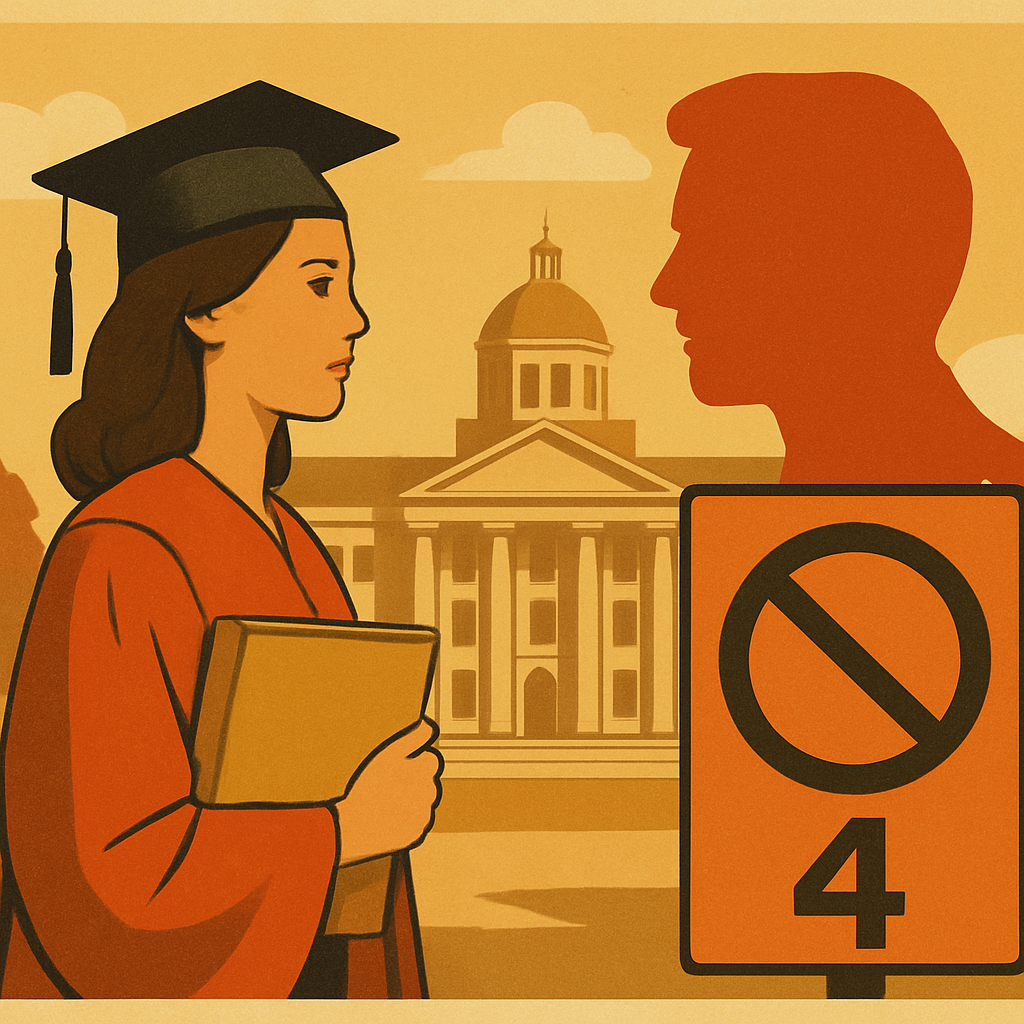


Sarah had to make big changes in her life, and it was hard. She felt sad and worried after having a baby. But she knew it was important to learn the truth and do something to help. Sarah says we should talk to people who don't believe in climate change by finding things we all care about. She changed her mind, and she thinks other people can too.
Sarah's story shows us that people can change their ideas even when it's tough. She learned a lot and now she wants to help the Earth. Sarah tells her story to make other people think and maybe change too. She wants everyone to learn and help our planet get better.
Original news source: I thought climate change was a hoax. Now I've changed my mind' (BBC)
📖 Vocabulary:
Group or Classroom Activities
Warm-up Activities:
– News Summary
Instructions: Divide the class into pairs or small groups. Give each group a few minutes to read the article. Then, ask each group to summarize the main points of the article in a short news summary. They can write it down or present it orally to the class.
– Opinion Poll
Instructions: Write the following statement on the board: "Climate change is a real and urgent problem." Ask students to stand up and move to one side of the room if they agree with the statement, and to the other side if they disagree. Once they have chosen their side, ask them to discuss in pairs or small groups why they agree or disagree with the statement. After a few minutes, have a class discussion where students can share their opinions and reasons.
– Vocabulary Pictionary
Instructions: Write a list of vocabulary words from the article on the board. Divide the class into pairs. Give each pair a word and ask them to draw a picture that represents the word. The other pairs have to guess the word based on the drawing. The pair who guesses the word correctly gets a point. Continue until all the words have been guessed.
– Speed Summarizing
Instructions: Divide the class into pairs. Give each pair a timer (e.g. one minute). Ask one student in each pair to summarize the article to their partner within the given time limit. After one minute, the roles switch and the other student has to summarize the article. Encourage students to use their own words and include the main points. After a few rounds, ask a few pairs to share their summaries with the whole class.
– Future Predictions
Instructions: Ask students to work individually and write down three predictions about the future of our planet based on the information in the article. For example, "In the future, more people will believe in climate change." After a few minutes, have students share their predictions in pairs or small groups. Encourage them to explain why they made those predictions. Then, have a class discussion where students can share their predictions with the whole class.
🤔 Comprehension Questions:
Sarah used to not believe in climate change.
Sarah heard different ideas from a group that talks on the radio.
Sarah felt sad and worried after having a baby because she realized she needed to do something to help the Earth.
Sarah thought it was important to learn the truth about climate change so she could understand why it is important to take care of our planet.
Sarah suggests talking to people who don't believe in climate change by finding things we all care about and starting a conversation from there.
Sarah wants other people to think about her story and maybe change their minds about climate change.
Sarah's main goal for the Earth is to help it get better by teaching others about why we should take care of our planet.
🎧✍️ Listen and Fill in the Gaps:
A woman named Sarah Ott used to not in climate change. She it was a trick because of what she heard from friends and a radio man named Rush Limbaugh. But then she heard ideas from a group that talks on the radio. Sarah learned new and started to teach others about why we should take care of our planet. Sarah had to make big changes in her life, and it was . She felt sad and worried after having a baby. But she it was important to learn the truth and do something to help. Sarah says we should to who don't believe in climate change by finding things we all care about. She changed her mind, and she thinks people can too. Sarah's story shows us that people can their ideas even when it's tough. She learned a lot and now she wants to help the Earth. Sarah tells her to other people think and maybe change too. She wants everyone to learn and help our planet get better.
💬 Discussion Questions:
1. What did Sarah used to think about climate change?
2. Who did Sarah hear different ideas from?
3. How did Sarah feel after having a baby?
4. Why did Sarah think it was important to learn the truth about climate change?
5. What does Sarah suggest we should do to talk to people who don't believe in climate change?
6. What did Sarah have to do in her life to make a difference?
7. How did Sarah's ideas change after learning new things?
8. What does Sarah want to do to help the Earth?
9. Why does Sarah tell her story to other people?
10. What does Sarah want everyone to do to help our planet?
11. Do you believe in climate change? Why or why not?
12. How can we take care of our planet in our daily lives?
Individual Activities
📖💭 Vocabulary Meanings:
Click a dot next to a word, then click the dot next to its meaning to draw a line connecting them.
Words
Meanings
🔡 Multiple Choice Questions:
🕵️ True or False Questions:
📝 Write a Summary:
Write a summary of this news article in two sentences.
Check your writing now with the best free AI for English writing!