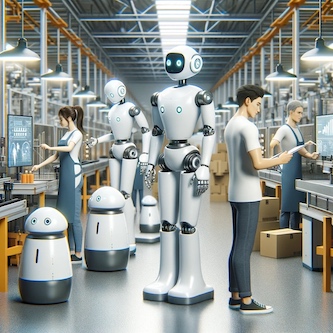
The lawsuit argues that ChatGPT was given data from copyrighted books without the authors' permission. It also raises worries about AI technology replacing human-created content. However, legal experts think that the authors might struggle to prove that ChatGPT copied their work. Some experts think that the authors are more worried about AI taking away job opportunities than about copyright infringement. They believe that discussions about AI's impact on the arts should happen in government bodies.
This case is part of a bigger trend of complaints against developers of generative AI, which can create media based on text prompts. In the past, digital artists have sued AI systems for being trained on copyrighted artwork. OpenAI is also facing a lawsuit, along with Microsoft and GitHub, for allegedly using code without permission to train an AI called Copilot. None of these lawsuits have been resolved yet.
In summary, authors George RR Martin and John Grisham are suing OpenAI for copyright infringement. They claim that their books were used without permission to train ChatGPT. The case raises concerns about AI replacing human-created content. Legal experts think that the authors might have a hard time proving their case. This lawsuit is part of a larger trend of complaints against developers of generative AI. None of these lawsuits have been resolved yet.
Original news source: Game of Thrones author sues ChatGPT owner OpenAI (BBC)
📖 Vocabulary:
Group or Classroom Activities
Warm-up Activities:
– News Summary
Instructions:
1. Divide the class into small groups.
2. Assign each group a specific aspect of the article (e.g. the authors involved, the lawsuit, concerns about AI, etc.).
3. Give the groups a few minutes to read and discuss their assigned aspect.
4. Each group must then create a concise summary of their aspect, focusing on the key points.
5. After the allotted time, have each group share their summary with the class.
– Opinion Poll
Instructions:
1. Write the following question on the board: "Do you think authors should have control over how AI technology uses their work?"
2. Have students individually write down their opinion, either "Yes" or "No," and a brief explanation.
3. Divide the class into pairs or small groups and have them discuss their opinions.
4. After the discussion, conduct a class poll by asking each student to vote and explain their choice.
5. Facilitate a class discussion where students can share their reasoning and engage in respectful debate.
– Word Association
Instructions:
1. Choose a few key words from the article (e.g. OpenAI, authors, copyright, AI technology, lawsuit, etc.).
2. Write each word on the board.
3. Divide the class into pairs or small groups and give them a few minutes to brainstorm and write down as many words or phrases associated with each key word.
4. After the brainstorming session, have each group share their associations with the class.
5. Discuss the different associations and encourage students to explain the connections they made.
– Sketch It
Instructions:
1. Provide each student with a piece of paper and a pen or pencil.
2. Instruct the students to read the article silently and select a specific scene or concept that stands out to them.
3. Based on their chosen scene or concept, students must sketch a visual representation on their paper.
4. After the sketches are complete, have students pair up and take turns describing their sketches to each other.
5. Encourage students to use descriptive language and ask questions to clarify the details of each sketch.
– Think-Pair-Share
Instructions:
1. Ask students to individually think about and jot down their answers to the following question: "How do you think AI technology will impact the future of literature?"
2. Once students have had time to think, instruct them to pair up with a classmate and share their ideas.
3. After the pairing session, facilitate a class discussion where students can share their thoughts and engage in a larger group conversation about the topic.
4. Encourage students to ask questions, challenge each other's ideas, and provide evidence or examples to support their opinions.
🤔 Comprehension Questions:
George RR Martin and John Grisham.
The authors believe that their books were used without permission to train the language model ChatGPT.
OpenAI has said that it respects authors' rights and believes that they should benefit from AI technology.
Jonathan Franzen, Jodi Picoult, Margaret Atwood, and Philip Pullman.
The Authors Guild, a group that represents authors.
The lawsuit argues that ChatGPT used copyrighted books without the authors' permission and raises concerns about AI technology replacing human-created content.
The authors are concerned about AI technology taking away job opportunities and its impact on the arts.
Legal experts think that the authors might struggle to prove their case and believe that discussions about AI's impact on the arts should happen in government bodies.
🎧✍️ Listen and Fill in the Gaps:
Authors George RR Martin and John Grisham are taking legal action against OpenAI, the company that owns . They believe that their books were used to train the language model without their . OpenAI has said that it respects authors' and thinks they should benefit from AI technology. well-known authors, like Jonathan Franzen and Jodi Picoult, are also involved in the lawsuit. The Authors Guild, a group that represents authors, has brought the case to court. Comedian Sarah Silverman has also taken legal action, and authors Margaret Atwood and Philip Pullman have a letter expressing their concerns. The lawsuit argues that ChatGPT was given data from copyrighted without the authors' permission. It also raises about AI technology replacing human-created content. However, legal experts think that the authors might struggle to prove that ChatGPT copied their work. Some experts think that the authors are more about AI taking away job opportunities than about copyright . They believe that discussions about AI's impact on the arts should in government bodies. This case is part of a trend of complaints against developers of generative AI, which can create media based on text prompts. In the past, digital artists have sued AI for being trained on copyrighted artwork. OpenAI is also facing a lawsuit, along with Microsoft and GitHub, for allegedly using code without permission to train an AI called Copilot. None of these s have been resolved yet. In summary, authors RR Martin and John Grisham are suing OpenAI for copyright infringement. They claim that their books were used without permission to train ChatGPT. The case raises concerns about AI replacing human-created . Legal experts think that the authors might have a hard time proving their case. This lawsuit is part of a larger trend of against developers of generative AI. None of these lawsuits have been resolved yet.
💬 Discussion Questions:
1. What is copyright infringement and why is it important?
2. How would you feel if someone used your work without your permission?
3. Do you think authors should benefit from AI technology? Why or why not?
4. What are some potential job opportunities that AI could take away from humans?
5. How do you think AI technology could impact the arts?
6. Do you think discussions about AI's impact on the arts should happen in government bodies? Why or why not?
7. What is generative AI and how does it work?
8. How do you think AI systems could potentially replace human-created content?
9. Do you think AI systems should be allowed to use copyrighted artwork or text? Why or why not?
10. How do you think AI technology could be used in a positive way in the arts?
11. What are some potential challenges or concerns with using AI in the creative industry?
12. How do you think this lawsuit could impact the future of AI development?
13. Do you think it's fair for authors to sue AI developers for copyright infringement? Why or why not?
14. How do you think AI technology could change the way we consume media and entertainment in the future?
15. What are some potential ethical considerations when it comes to using AI in the creative industry?
Individual Activities
📖💭 Vocabulary Meanings:
Click a dot next to a word, then click the dot next to its meaning to draw a line connecting them.
Words
Meanings
🔡 Multiple Choice Questions:
🕵️ True or False Questions:
📝 Write a Summary:
Write a summary of this news article in two sentences.
Check your writing now with the best free AI for English writing!