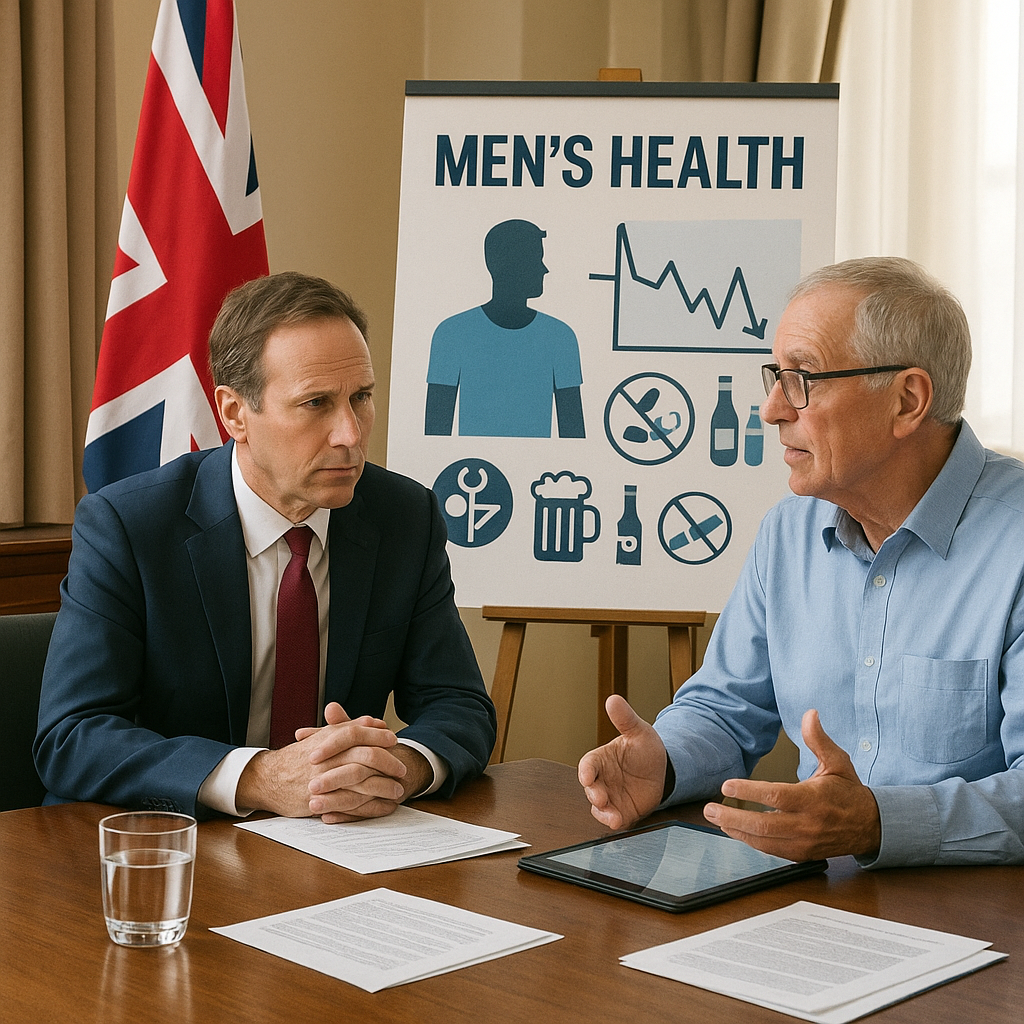
In April 2025, the government in England plans to start a discussion about a new health strategy for men. Many experts think this is something that should have happened a long time ago. Studies show that men are much more likely than women to die early, which raises questions about why their health is so poor. Things like lifestyle choices, what society expects from men, and how easy it is for them to get healthcare all play a part in this issue. Understanding these factors is important for finding ways to help improve men's health.
One major reason for men's health problems is that they often take more risks. Men are more likely to smoke, drink too much alcohol, use drugs, and have high cholesterol and blood pressure. Because of these habits, men usually live about four years less than women. They are also almost 60% more likely to die early from serious illnesses like heart disease, lung cancer, and liver disease. Experts like Prof. Alan White say that while lifestyle choices matter, there are also biological factors that affect men's health.
Society also has a big impact on men's health. Many men feel pressure to be strong and tough, which can make them hesitant to seek help when they have health problems. Prof. White points out that men often don’t have the knowledge they need to recognize when they should see a doctor. Unlike women, who usually visit healthcare providers regularly for reproductive health, many men might go years without getting medical advice. This lack of contact with healthcare can make their health issues worse.
Economic factors are another important part of the picture. Men who work in physical jobs often find it hard to access healthcare because they are busy and stressed. Mark Brooks, a policy adviser, notes that men living in poorer areas tend to have shorter life expectancies than those in wealthier neighborhoods. Many men might ignore warning signs of health issues because they worry about losing their jobs or not being able to support their families. Despite these challenges, there are programs aimed at improving men's health, like the Men's Sheds movement, which encourages men to connect with others while working on projects. Experts like Prof. Paul Galdas believe that creating fun and engaging programs can help motivate men to take better care of their health. As the government gets ready to launch its men's health strategy, there is hope that it will help men focus more on their well-being.
Original news source: Why men are so unhealthy – and what can be done (BBC)
🎧 Listen:
📖 Vocabulary:
Group or Classroom Activities
Warm-up Activities:
– OPINION POLL
Instructions: Divide the class into small groups and provide them with a few questions related to men's health (e.g., "Do you think societal expectations affect men's health?"). Each group discusses the questions and takes a poll of their opinions. Afterward, each group shares their findings with the class.
– THINK-PAIR-SHARE
Instructions: Ask students to think about the reasons for men’s health problems mentioned in the article. They then pair up to discuss their thoughts before sharing their ideas with the whole class. This encourages critical thinking and speaking skills.
– HEADLINE CREATION
Instructions: In small groups, students brainstorm catchy headlines for the article based on its content. Each group presents their headline to the class, allowing for creative expression and discussion about the article's main messages.
– SKETCH IT
Instructions: Students work in pairs to illustrate a key concept from the article (e.g., societal pressures, lifestyle choices). After sketching, they present their drawing to the class and explain how it relates to the article, promoting understanding of the vocabulary and themes.
– WORD ASSOCIATION
Instructions: Start with a word from the article such as "health" or "risk." Students take turns saying a word that they associate with it, building off the previous word. This activity helps reinforce vocabulary and encourages quick thinking in English.
🤔 Comprehension Questions:
The main purpose is to start a discussion about a new health strategy for men.
Men's lifestyle choices, such as smoking, drinking too much alcohol, and using drugs, contribute to their health problems by increasing their risk of serious illnesses and leading to shorter life expectancies.
Men are more likely to die from serious illnesses like heart disease, lung cancer, and liver disease.
Societal pressure makes many men feel they need to be strong and tough, which can make them hesitant to seek help when they have health problems.
Men in physical jobs often struggle to access healthcare because they are busy and stressed, making it hard for them to find time to see a doctor.
The Men's Sheds movement is a program that encourages men to connect with others while working on projects, aiming to improve their health by promoting social interaction and engagement.
Economic factors influence the health of men in poorer areas by leading to shorter life expectancies and making them more likely to ignore health warning signs due to worries about job security and providing for their families.
Experts believe that creating fun and engaging programs can help motivate men to take better care of their health.
🎧✍️ Listen and Fill in the Gaps:
In April 2025, the government in England to start a discussion about a new health strategy for men. Many think this is something that should have a long time ago. Studies show that men are much more likely than women to die early, which raises about why their health is so poor. Things like lifestyle choices, what society expects from men, and how easy it is for them to get healthcare all play a part in this issue. Understanding these factors is important for finding ways to help improve men's health. One major reason for men's health problems is that they often take more risks. Men are more likely to , drink too much alcohol, use , and have high cholesterol and blood pressure. Because of these habits, men usually live about four less than women. They are also almost 60% more likely to die early from serious illnesses like heart disease, lung cancer, and liver disease. Experts like Prof. Alan White say that while lifestyle choices matter, there are also biological factors that affect men's health. also has a big impact on men's health. Many men feel pressure to be strong and tough, which can make them hesitant to seek help when they have health problems. Prof. White out that men often don’t have the knowledge they need to recognize when they should see a doctor. Unlike women, who usually visit healthcare providers regularly for reproductive health, many men might go years without getting medical advice. This lack of contact with healthcare can make their health worse. Economic factors are another important part of the picture. Men who work in jobs often find it hard to access healthcare because they are busy and stressed. Mark Brooks, a policy adviser, notes that men in poorer areas tend to have shorter life expectancies than those in wealthier neighborhoods. Many men might ignore signs of health issues because they worry about losing their jobs or not being able to support their families. Despite these challenges, there are programs aimed at improving men's health, like the Men's Sheds movement, which encourages men to with others while working on projects. Experts like Prof. Paul Galdas believe that creating fun and engaging programs can help motivate men to take care of their health. As the government gets to launch its men's health strategy, there is hope that it will help men focus more on their well-being.
💬 Discussion Questions:
1. What is your opinion on the idea that men should have a health strategy specifically for them?
2. How would you feel if you were encouraged to take more risks, like trying extreme sports or unhealthy habits?
3. Do you think societal expectations about being strong affect men's health? Why or why not?
4. What is a healthy lifestyle choice that you think everyone should follow?
5. How do you think men can be encouraged to seek help when they have health problems?
6. Do you like the idea of programs like Men's Sheds that focus on connecting men? Why or why not?
7. How would you feel if you had to choose between your job and taking care of your health?
8. Do you think schools should teach more about health and wellness for both boys and girls? Why?
9. What is a common health problem you think young men should be more aware of?
10. How do you think technology could help improve men's health in the future?
11. Do you believe that men should be more open about their feelings and health issues? Why or why not?
12. How would you feel if you were in a situation where you had to convince a friend to see a doctor?
13. Do you think that having regular health check-ups is important for everyone? Why?
14. What is a way you think men can support each other in taking care of their health?
15. How do you feel about the idea that biological factors play a role in men's health? Do you think they are more important than lifestyle choices? Why?
Individual Activities
📖💭 Vocabulary Meanings:
Click a dot next to a word, then click the dot next to its meaning to draw a line connecting them.
Words
Meanings
🔡 Multiple Choice Questions:
🕵️ True or False Questions:
📝 Write a Summary:
Write a summary of this news article in two sentences.
Check your writing now with the best free AI for English writing!