

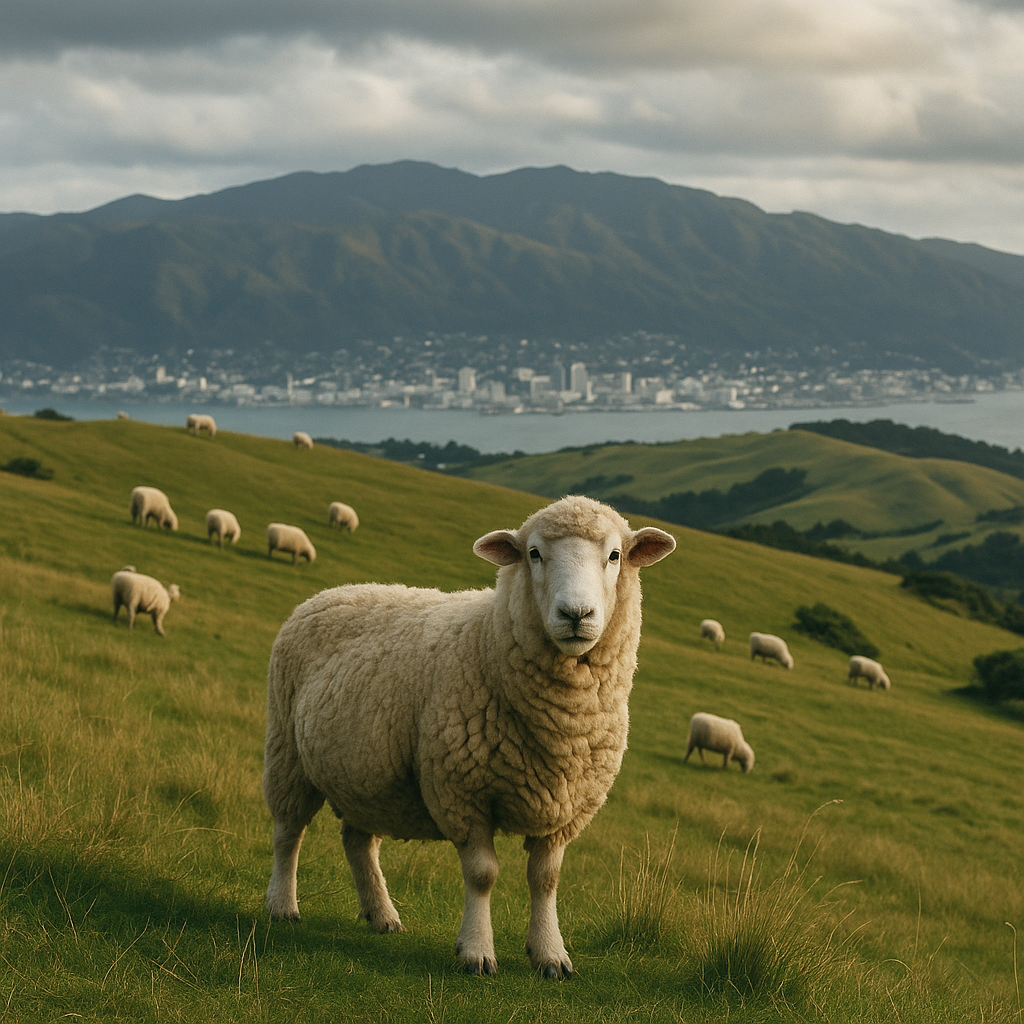
New Zealand has a lot of sheep. There are more sheep than people. For every person, there are about 4 or 5 sheep. A long time ago, there were even more sheep. Now, there are fewer sheep because people want different things.
Farmers used to make money from sheep. But now, they make money from cows and other things. Sheep wool is not as popular because people like fake fibers. So, farmers are changing what they do. They are trying new ways to use their land.
The government wants to help sheep farmers. They want people to use more wool. But some people think it might be too late. In Australia, there are also fewer sheep now. But they still have more sheep than New Zealand.
Original news source: Yes, New Zealand still has more sheep than people. But humans are catching up (AP News)
🎧 Listen:
Slow
Normal
Fast
📖 Vocabulary:
| 1 | sheep | Fluffy animals that say “baa |
| 2 | farmers | People who grow food or take care of animals |
| 3 | wool | Soft hair from sheep used to make clothes |
| 4 | popular | Liked by many people |
| 5 | fibers | Tiny threads that make up fabric |
| 6 | government | People who make rules for a country |
| 7 | Australia | A big country next to New Zealand |
| 8 | land | Ground or soil where things grow |
| 9 | money | Coins and paper used to buy things |
| 10 | different | Not the same as before or as something else |
Group or Classroom Activities
Warm-up Activities:
– CHARADES
Instructions: Divide the class into small groups. Each group will take turns acting out different words related to the article (e.g., sheep, farmer, wool, cow, land). The other groups will guess the word being acted out.
– WORD ASSOCIATION
Instructions: Write the word “sheep” on the board. Students will take turns saying a word related to sheep (e.g., wool, farm, animal). Each student must say a new word that connects to the last word said.
– PASS THE STORY
Instructions: Start a story about sheep in New Zealand. Each student adds one sentence to the story. They can use simple sentences based on the article (e.g., “There are many sheep in New Zealand”). Encourage them to build on what the previous student said.
– OPINION POLL
Instructions: Ask students whether they prefer sheep or cows. Students will move to one side of the room for sheep and the other side for cows. After the activity, ask a few students why they chose their side, encouraging them to use simple sentences.
– HEADLINE CREATION
Instructions: In pairs, students will create a catchy headline for the article. They can use simple phrases or keywords from the text, such as “Sheep in New Zealand” or “Farmers Change.” Afterward, pairs can share their headlines with the class.
🤔 Comprehension Questions:
1. How many sheep are there for every person in New Zealand?
2. What did farmers used to make money from?
3. Why are there fewer sheep now?
4. What do people like more than sheep wool?
5. What does the government want to help sheep farmers do?
6. Are there more sheep in Australia or New Zealand?
7. What are farmers trying to do with their land now?
Go to answers ⇩
🎧✍️ Listen and Fill in the Gaps:
New (1)______ has a lot of sheep. There are more sheep than people. For every person, there are about 4 or 5 sheep. A long (2)______ ago, there were even more sheep. Now, there are fewer sheep because people want different things.
(3)______ used to (4)______ money from sheep. But now, they make money from cows and other things. Sheep wool is not as popular because people like (5)______ fibers. So, farmers are changing what they do. They are trying new ways to use their land.
The (6)______ wants to help sheep farmers. They want (7)______ to use more wool. But some people (8)______ it might be too late. In Australia, there are also fewer sheep now. But they still have more sheep than New Zealand.
Go to answers ⇩
💬 Discussion Questions:
Students can ask a partner these questions, or discuss them as a group.
1. What is your favorite animal?
2. Do you like sheep? Why or why not?
3. How would you feel if you had to take care of a sheep?
4. What is a farm?
5. Do you think wool is nice? Why?
6. Have you ever seen a sheep? Where?
7. What do you think sheep like to eat?
8. Do you think farmers should grow more sheep? Why or why not?
9. How would you feel if there were no more sheep?
10. Do you like to wear wool clothes? Why?
11. What is your favorite thing to eat from a farm?
12. Do you think it is good to try new things? Why?
Individual Activities
📖💭 Vocabulary Meanings:
Match each word to its meaning.
Words:
1. sheep
2. farmers
3. wool
4. popular
5. fibers
6. government
7. Australia
8. land
9. money
10. different
Meanings:
(A) Soft hair from sheep used to make clothes
(B) Tiny threads that make up fabric
(C) Liked by many people
(D) Fluffy animals that say “baa”
(E) People who make rules for a country
(F) A big country next to New Zealand
(G) Not the same as before or as something else
(H) People who grow food or take care of animals
(I) Coins and paper used to buy things
(J) Ground or soil where things grow
Go to answers ⇩
🔡 Multiple Choice Questions:
1. What animal is very common in New Zealand?
(a) Cows
(b) Dogs
(c) Cats
(d) Sheep
2. How many sheep are there for every person in New Zealand?
(a) 1
(b) 10
(c) 4 or 5
(d) 2
3. What do farmers in New Zealand make money from now?
(a) Cows
(b) Cats
(c) Fish
(d) Birds
4. What do people like more than sheep wool?
(a) Real wool
(b) Cotton
(c) Silk
(d) Fake fibers
5. Who wants to help sheep farmers?
(a) The farmers
(b) The government
(c) The cows
(d) The sheep
6. What do some people think about using wool?
(a) It is very good
(b) It is not nice
(c) It might be too late
(d) It is very cheap
7. Which country has more sheep than New Zealand?
(a) Australia
(b) Canada
(c) Japan
(d) China
8. Why are there fewer sheep now?
(a) There are too many sheep
(b) People want different things
(c) Sheep are not nice
(d) People do not like sheep
Go to answers ⇩
🕵️ True or False Questions:
1. Australia has more sheep than New Zealand.
2. People like fake fibers more than sheep wool now.
3. The government wants to help goat farmers.
4. Now, farmers make money from pigs and other things.
5. New Zealand has many sheep.
6. There are more people than sheep in New Zealand.
7. Farmers used to make money from sheep.
8. For every person, there are about 2 or 3 sheep.
Go to answers ⇩
📝 Write a Summary:
Write a summary of this news article in two sentences.
Check your writing now with the best free AI for English writing!
Writing Questions:
Answer the following questions. Write as much as you can for each answer.
Check your answers with our free English writing assistant!
1. How many sheep are there in New Zealand compared to people?
2. What did farmers used to make money from?
3. Why are there fewer sheep now?
4. What do farmers want to try with their land?
5. Does Australia have more or fewer sheep than New Zealand?
✅ Answers
🤔✅ Comprehension Question Answers:
1. How many sheep are there for every person in New Zealand?
There are about 4 or 5 sheep for every person in New Zealand.
2. What did farmers used to make money from?
Farmers used to make money from sheep.
3. Why are there fewer sheep now?
There are fewer sheep now because people want different things.
4. What do people like more than sheep wool?
People like fake fibers more than sheep wool.
5. What does the government want to help sheep farmers do?
The government wants to help sheep farmers use more wool.
6. Are there more sheep in Australia or New Zealand?
There are more sheep in Australia than in New Zealand.
7. What are farmers trying to do with their land now?
Farmers are trying new ways to use their land now.
Go back to questions ⇧
🎧✍️✅ Listen and Fill in the Gaps Answers:
(1) Zealand
(2) time
(3) Farmers
(4) make
(5) fake
(6) government
(7) people
(8) think
Go back to questions ⇧
📖💭✅ Vocabulary Meanings Answers:
1. sheep
Answer: (D) Fluffy animals that say “baa”
2. farmers
Answer: (H) People who grow food or take care of animals
3. wool
Answer: (A) Soft hair from sheep used to make clothes
4. popular
Answer: (C) Liked by many people
5. fibers
Answer: (B) Tiny threads that make up fabric
6. government
Answer: (E) People who make rules for a country
7. Australia
Answer: (F) A big country next to New Zealand
8. land
Answer: (J) Ground or soil where things grow
9. money
Answer: (I) Coins and paper used to buy things
10. different
Answer: (G) Not the same as before or as something else
Go back to questions ⇧
🔡✅ Multiple Choice Answers:
1. What animal is very common in New Zealand?
Answer: (d) Sheep
2. How many sheep are there for every person in New Zealand?
Answer: (c) 4 or 5
3. What do farmers in New Zealand make money from now?
Answer: (a) Cows
4. What do people like more than sheep wool?
Answer: (d) Fake fibers
5. Who wants to help sheep farmers?
Answer: (b) The government
6. What do some people think about using wool?
Answer: (c) It might be too late
7. Which country has more sheep than New Zealand?
Answer: (a) Australia
8. Why are there fewer sheep now?
Answer: (b) People want different things
Go back to questions ⇧
🕵️✅ True or False Answers:
1. Australia has more sheep than New Zealand. (Answer: True)
2. People like fake fibers more than sheep wool now. (Answer: True)
3. The government wants to help goat farmers. (Answer: False)
4. Now, farmers make money from pigs and other things. (Answer: False)
5. New Zealand has many sheep. (Answer: True)
6. There are more people than sheep in New Zealand. (Answer: False)
7. Farmers used to make money from sheep. (Answer: True)
8. For every person, there are about 2 or 3 sheep. (Answer: False)
Go back to questions ⇧