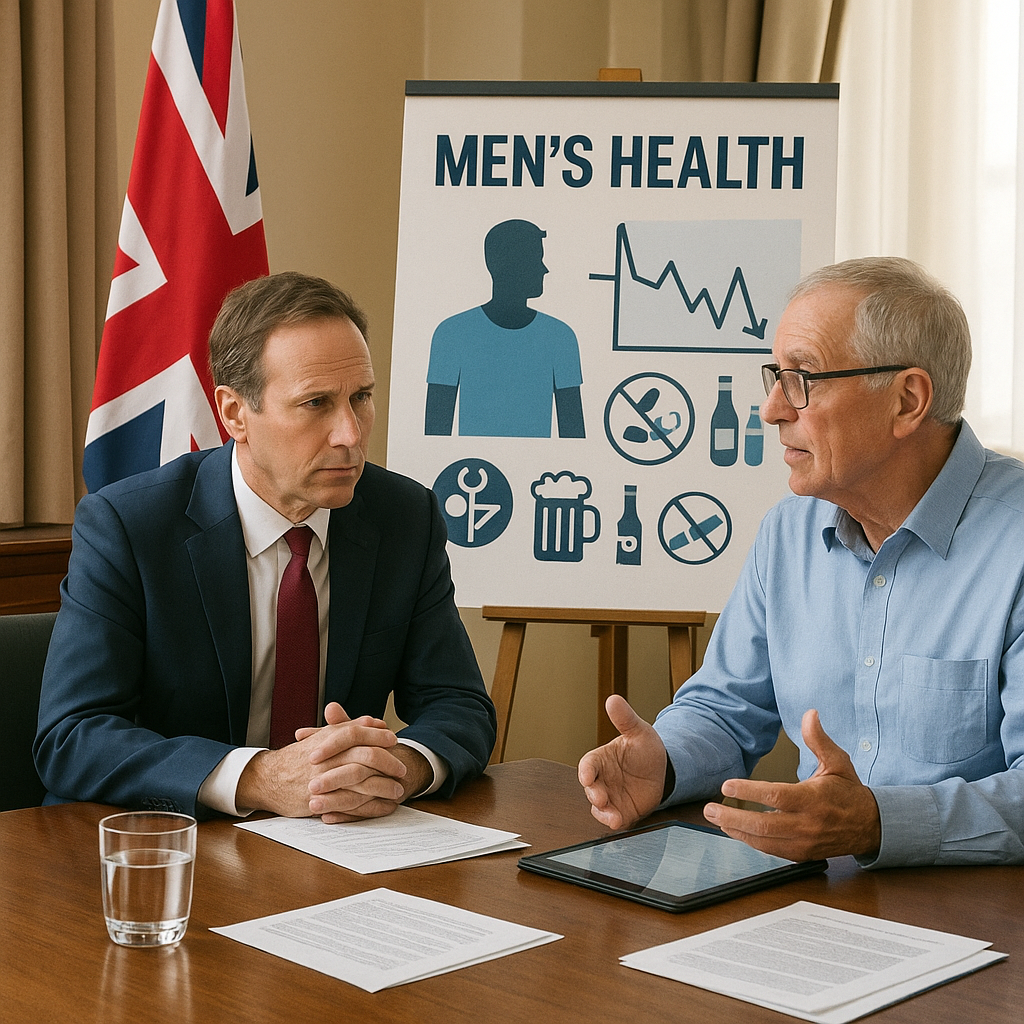
In April 2025, the government in England plans to initiate a consultation for a new men's health strategy, a move that many experts believe is long overdue. Research indicates that men are significantly more likely than women to experience premature death, raising questions about the underlying reasons for their poor health. Factors such as lifestyle choices, societal expectations, and access to healthcare services contribute to this troubling trend. Understanding these issues is crucial for developing effective interventions to improve men's health.
One of the primary reasons for men's poor health is their tendency to engage in riskier behaviors. Men are more likely to smoke, consume excessive alcohol, use drugs, and suffer from high cholesterol and blood pressure. These factors contribute to a life expectancy that is, on average, four years shorter than that of women. Furthermore, men are nearly 60% more likely to die prematurely from conditions such as heart disease, lung cancer, and liver disease. Experts like Prof. Alan White argue that while lifestyle choices play a role, the issue is more complex and includes biological factors that affect men's health.
Additionally, societal norms often discourage men from seeking help for health issues. The expectation for men to be strong and resilient can lead to a reluctance to engage with healthcare services. Prof. White points out that men often lack the necessary health literacy to recognize and act upon health concerns. Unlike women, who typically have regular interactions with healthcare providers due to reproductive health needs, many men go years without seeking medical advice. This lack of engagement can exacerbate health problems and lead to worse outcomes.
Economic factors also play a significant role in men's health. Men working in blue-collar jobs often face challenges in accessing healthcare due to time constraints and job-related pressures. Mark Brooks, a policy adviser, highlights that men in deprived areas have a significantly lower life expectancy compared to those in wealthier regions. Many men may ignore early warning signs of health issues due to fears about job security or financial stability, further complicating their health situation.
Despite these challenges, there are initiatives aimed at improving men's health. Programs that encourage men to engage in physical activities and social interactions have shown promise. For example, the Men's Sheds movement fosters community support through practical projects, helping men bond while addressing their health needs. Experts like Prof. Paul Galdas emphasize the importance of creating engaging and action-oriented programs to motivate men to take charge of their health. As the government prepares to unveil its men's health strategy, there is hope that it will raise awareness and encourage men to prioritize their well-being.
Original news source: Why men are so unhealthy – and what can be done (BBC)
🎧 Listen:
📖 Vocabulary:
Group or Classroom Activities
Warm-up Activities:
– CHARADES
Instructions: Students will take turns acting out different health-related terms or phrases from the article (e.g., "smoking," "heart disease," "Men's Sheds"). The rest of the class will guess the term being acted out. This will help reinforce vocabulary in a fun and engaging way.
– OPINION SPECTRUM
Instructions: Create a line in the classroom with "Strongly Agree" on one end and "Strongly Disagree" on the other. Present statements related to men's health (e.g., "Men should prioritize their health" or "Society puts too much pressure on men to be strong"). Students will position themselves along the line based on their opinions and then discuss their reasoning in small groups.
– MIND MAP
Instructions: In small groups, students will create a mind map on a large sheet of paper that organizes the main factors affecting men's health mentioned in the article. They should include lifestyle choices, societal expectations, and economic factors, and then brainstorm additional ideas that connect to these themes.
– FUTURE PREDICTIONS
Instructions: Students will work in pairs to brainstorm and write down their predictions for how men's health might change over the next 10 years, especially considering the government's new health strategy. They should consider factors like societal changes, advancements in healthcare, and shifts in public awareness.
– SYNONYM CHALLENGE
Instructions: Provide students with a list of key vocabulary from the article (e.g., "premature," "interventions," "health literacy"). In pairs, they will try to come up with as many synonyms as possible for each word within a set time limit. Afterward, they will share their synonyms with the class to expand their vocabulary further.
🤔 Comprehension Questions:
The primary goal of the consultation is to develop a new men's health strategy aimed at addressing the poor health outcomes experienced by men.
Lifestyle choices such as smoking, excessive alcohol consumption, drug use, and high cholesterol and blood pressure contribute to men's health issues by increasing the likelihood of premature death and reducing life expectancy.
Men are more likely to die prematurely from conditions such as heart disease, lung cancer, and liver disease.
Societal norms often discourage men from seeking help for health issues by promoting the expectation that men should be strong and resilient, leading to reluctance in engaging with healthcare services.
The lack of health literacy among men affects their health outcomes by preventing them from recognizing and acting upon health concerns, which can exacerbate existing health problems.
Men in blue-collar jobs face challenges in accessing healthcare services due to time constraints, job-related pressures, and fears about job security or financial stability.
Initiatives mentioned in the article include programs that encourage men to engage in physical activities and social interactions, as well as the Men's Sheds movement.
The Men's Sheds movement contributes to addressing men's health needs by fostering community support through practical projects that help men bond while also focusing on their health needs.
🎧✍️ Listen and Fill in the Gaps:
In April 2025, the government in England plans to initiate a for a new men's strategy, a move that many experts is long overdue. Research that men are significantly more likely than women to experience premature death, raising questions about the underlying reasons for their poor health. Factors such as lifestyle choices, societal expectations, and access to healthcare services contribute to this troubling trend. Understanding these issues is crucial for developing effective interventions to improve men's health. One of the primary reasons for men's poor health is their tendency to engage in riskier behaviors. Men are more likely to smoke, consume excessive alcohol, use drugs, and suffer from high cholesterol and blood pressure. These factors contribute to a life expectancy that is, on average, four years shorter than that of women. Furthermore, men are nearly 60% more likely to die prematurely from conditions such as heart disease, lung cancer, and liver disease. Experts like Prof. Alan White argue that while lifestyle choices play a role, the issue is more and includes biological factors that affect men's health. Additionally, societal norms often discourage men from help for health . The expectation for men to be and resilient can lead to a reluctance to engage with healthcare services. Prof. White points out that men often lack the necessary health literacy to recognize and act upon health concerns. Unlike women, who typically have regular interactions with healthcare providers due to reproductive health needs, many men go years without seeking medical advice. This lack of engagement can exacerbate health and lead to outcomes. Economic factors also play a significant role in men's health. Men working in blue-collar jobs often face challenges in accessing healthcare due to time constraints and job-related pressures. Mark Brooks, a policy , highlights that men in deprived areas have a significantly lower life expectancy compared to those in regions. Many men may ignore early warning signs of health issues due to fears about job security or financial stability, further complicating their health situation. Despite these challenges, there are initiatives aimed at men's health. Programs that encourage men to in physical activities and social have shown promise. For example, the Men's Sheds movement fosters community support through practical projects, helping men bond while addressing their health needs. Experts like Prof. Paul Galdas emphasize the importance of creating engaging and action-oriented programs to motivate men to take charge of their health. As the government prepares to unveil its men's health strategy, there is hope that it will raise and encourage men to prioritize their well-being.
💬 Discussion Questions:
1. What is your opinion on the idea that men are less likely to seek help for health issues? Why do you think this is the case?
2. How would you feel if you had to convince a friend to seek medical help for a health issue?
3. Do you think societal expectations of masculinity contribute to men's health problems? Why or why not?
4. What is a health behavior that you think is particularly risky for men? Why do you feel this way?
5. How do you think economic factors influence men’s health in your country?
6. Do you like the idea of community support programs like Men's Sheds? Why or why not?
7. What is a way you think healthcare services could be made more accessible for men in blue-collar jobs?
8. How would you feel if you were in a situation where you had to choose between job security and your health?
9. Do you think that raising awareness about men's health issues is enough to make a difference? Why or why not?
10. What is a lifestyle choice you believe is essential for improving men's health? Why do you think it’s important?
11. How would you feel if you were part of a movement aimed at improving men's health?
12. Do you think men should prioritize their health as much as women do? Why or why not?
13. What is a personal experience you have had that relates to health and societal expectations?
14. How do you think health literacy can be improved among men? What strategies could be effective?
15. Do you think the government should play a more active role in addressing men's health issues? Why or why not?
Individual Activities
📖💭 Vocabulary Meanings:
Click a dot next to a word, then click the dot next to its meaning to draw a line connecting them.
Words
Meanings
🔡 Multiple Choice Questions:
🕵️ True or False Questions:
📝 Write a Summary:
Write a summary of this news article in two sentences.
Check your writing now with the best free AI for English writing!