
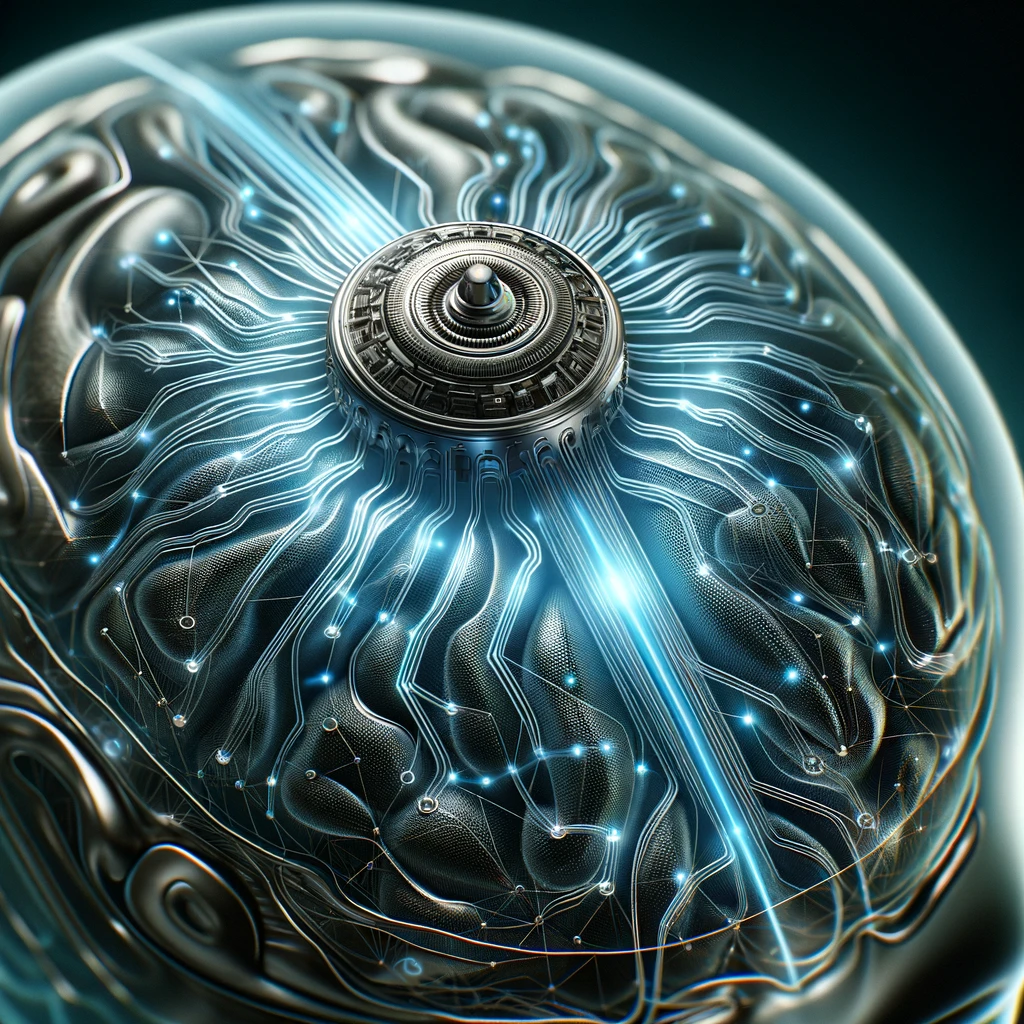
A recent livestream showcased a patient named Noland Arbaugh playing chess using a brain implant developed by Neuralink. Arbaugh, who is paralyzed from the shoulders down due to a diving accident, explained that he was able to control the cursor on the screen by imagining its movement. The video featured Arbaugh alongside Bliss Chapman, the lead software engineer at Neuralink, who answered questions about the technology. Arbaugh described his experience using the device as "wild" and praised its intuitive nature.
The Neuralink brain implant allows individuals with paralysis to interact with technology using their thoughts. By implanting a device in the brain, signals can be sent to control external devices such as computers or smartphones. In Arbaugh's case, he was able to play a game of chess online by simply imagining the movement of the cursor. This groundbreaking technology has the potential to greatly improve the quality of life for individuals with paralysis, giving them greater independence and the ability to engage with the world in new ways.
During the livestream, Arbaugh and Chapman discussed the workings of the Neuralink device. Arbaugh explained that he had undergone surgery to have the implant placed in his brain, and the device was connected to a computer that interpreted his thoughts and translated them into actions on the screen. Chapman emphasized the importance of training the device to recognize the user's intentions accurately, as this is crucial for seamless interaction.
The video of Arbaugh playing chess using the brain implant has generated excitement and interest in the potential of Neuralink's technology. It demonstrates the progress being made in the field of brain-computer interfaces and the possibilities for individuals with paralysis to regain control and independence. While the technology is still in its early stages, it holds promise for revolutionizing the way we interact with technology and opening up new opportunities for individuals with disabilities.
Original news source: Neuralink patient seen playing chess using brain implant (BBC)
🎧 Listen:
📖 Vocabulary:
Group or Classroom Activities
Warm-up Activities:
– News Summary
Instructions: Divide the class into pairs or small groups. Provide each group with a copy of the article. Instruct them to read the article and then write a brief summary of the main points. Afterward, have each group share their summaries with the class.
– Opinion Poll
Instructions: Divide the class into pairs or small groups. Instruct them to discuss their opinions on the Neuralink brain implant technology. Provide them with a list of discussion questions such as "Do you think this technology will have a positive impact on individuals with paralysis?" or "What are the potential ethical concerns surrounding brain implants?" Afterward, have each group share their opinions with the class.
– Word Association
Instructions: Write the word "Neuralink" on the board. Instruct the class to brainstorm and write down as many words or phrases as they can think of that are related to Neuralink or the article. After a few minutes, have each student or group share their word associations with the class.
– Sketch It
Instructions: Divide the class into pairs or small groups. Instruct them to choose a key moment or concept from the article and create a visual representation of it through a sketch or drawing. Afterward, have each group share their sketches with the class, explaining their choices.
– Pros and Cons
Instructions: Divide the class into pairs or small groups. Instruct them to make a list of the pros and cons of the Neuralink brain implant technology. After a few minutes, have each group share their lists with the class and facilitate a discussion about the advantages and disadvantages of the technology.
🤔 Comprehension Questions:
🎧✍️ Listen and Fill in the Gaps:
A recent showcased a patient named Noland Arbaugh playing chess using a brain implant developed by . Arbaugh, who is paralyzed from the shoulders down due to a diving accident, explained that he was able to control the on the screen by imagining its movement. The video featured Arbaugh alongside Bliss Chapman, the lead software engineer at Neuralink, who answered about the technology. Arbaugh described his experience using the device as "wild" and praised its intuitive nature. The Neuralink brain implant allows individuals with paralysis to interact with technology using their thoughts. By implanting a device in the brain, signals can be sent to control devices such as or smartphones. In Arbaugh's case, he was able to play a game of chess online by simply imagining the movement of the cursor. This groundbreaking technology has the potential to greatly the quality of life for individuals with paralysis, them greater independence and the ability to engage with the world in new ways. During the livestream, Arbaugh and Chapman discussed the workings of the Neuralink device. Arbaugh explained that he had surgery to have the implant placed in his brain, and the device was connected to a that his thoughts and them into actions on the screen. Chapman emphasized the importance of training the device to recognize the user's intentions accurately, as this is crucial for seamless interaction. The video of Arbaugh playing chess using the brain implant has generated excitement and in the potential of Neuralink's technology. It the progress being made in the field of brain-computer and the possibilities for individuals with paralysis to regain control and independence. While the technology is still in its early stages, it holds promise for revolutionizing the way we interact with technology and up new opportunities for individuals with disabilities.
💬 Discussion Questions:
1. What is a brain implant and how does it work?
2. How would you feel if you had the opportunity to control technology with your thoughts?
3. Do you think brain implants like Neuralink's have the potential to revolutionize the way we interact with technology? Why or why not?
4. What are some potential benefits of brain implants for individuals with paralysis?
5. How do you think brain-computer interfaces could improve the quality of life for individuals with disabilities?
6. Do you think brain implants could eventually be used for purposes other than assisting individuals with disabilities? Why or why not?
7. What are some potential ethical considerations or concerns associated with brain implants?
8. How do you think society would change if brain implants became more widespread and accessible?
9. Do you think brain implants could be used to enhance human abilities beyond what is considered "normal"? Why or why not?
10. How do you think brain implants could impact the field of medicine and healthcare?
11. Do you think brain implants could eventually replace traditional forms of communication and interaction? Why or why not?
12. How would you feel if brain implants became a common part of everyday life?
13. What are some potential challenges or obstacles that need to be overcome for brain implants to become more widely used?
14. Do you like the idea of brain implants? Why or why not?
15. How do you think brain implants could change the way we understand the human brain and consciousness?
Individual Activities
📖💭 Vocabulary Meanings:
Click a dot next to a word, then click the dot next to its meaning to draw a line connecting them.
Words
Meanings
🔡 Multiple Choice Questions:
🕵️ True or False Questions:
📝 Write a Summary:
Write a summary of this news article in two sentences.
Check your writing now with the best free AI for English writing!