
Free Materials For ESL Teachers and Learners

English Newsroom

Learn English through news articles - complete lesson plans, including articles, listening, classroom activities, quiz questions and more!

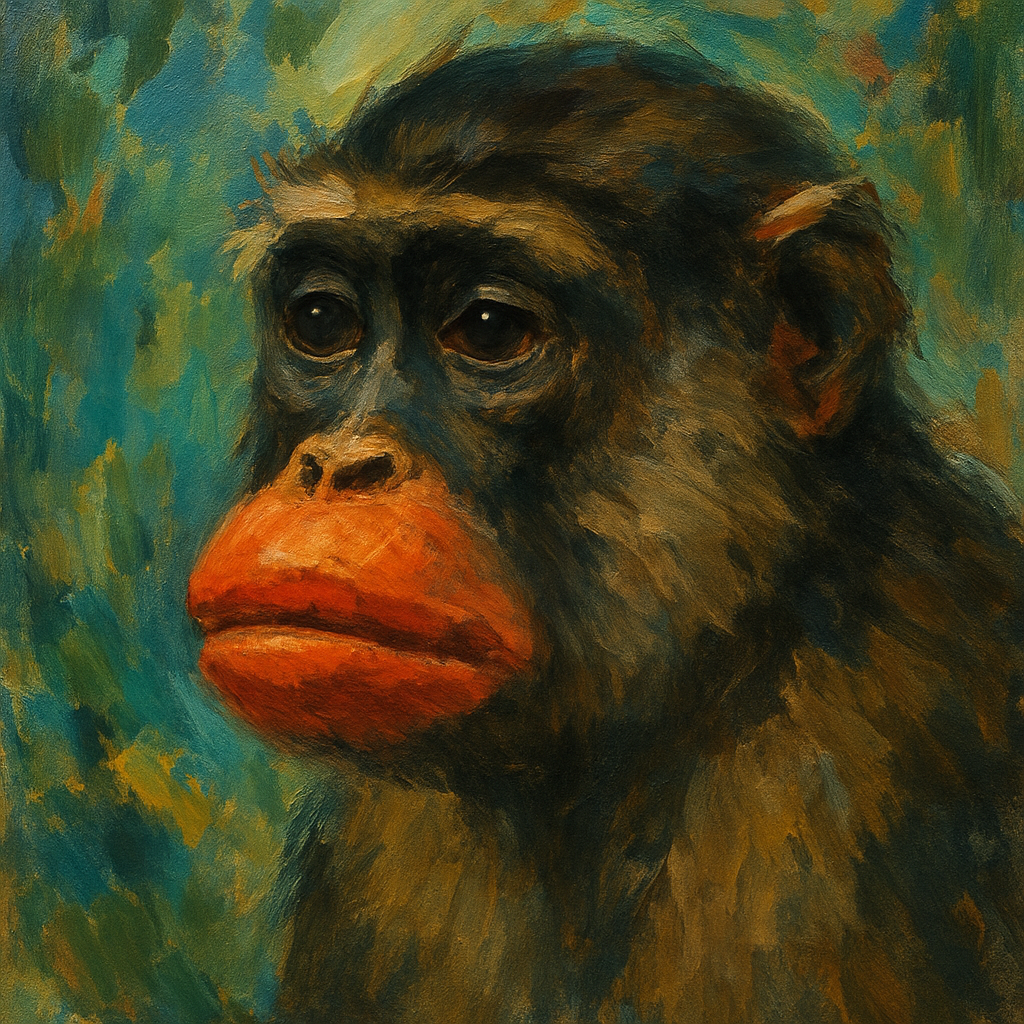
Discovery of New Monkey Species with Orange Lips

A new monkey species with distinctive orange lips was discovered in DR Congo.
Try this article at a different level?

A newly identified species of monkey with orange lips has been uncovered in the tropical forests of the Democratic Republic of Congo. This black-faced primate, known locally as 'Likweli', was formally named 'Colobus congoensis' by researchers who first spotted it high in the treetops of Lomami National Park back in 2008.

The team of scientists from the Democratic Republic of Congo, the U.S., and Germany has been working on this discovery for many years. Initially, they only had a blurry photograph, but a decade late, comprehensive genetic studies confirmed the monkey as a distinct species. This is a significant finding as it is only the fifth new monkey species discovered in Africa in 75 years.

Junior Amboko, a PhD student at Florida Atlantic University, was pivotal in the team's work. He described seeing the monkey as an "amazing feeling". The team also noted the monkey's unusual roaring call, which can be heard but makes the animal difficult to see.

Further studies are needed to learn more about this secretive species, including its role in seed dispersal in the forest ecosystem and its striking orange lips, believed to be a visual signal. Conservationists are focused on ensuring that this rare species remains protected from hunting.

Original news source: New monkey species with orange lips found 'hiding' in DRC forest (BBC)

🎧 Listen:

πŸ“– Vocabulary:

1. primate
2. formally
3. treetops
4. comprehensive
5. distinct
6. significant
7. pivotal
8. unusual
9. secretive
10. dispersal
11. striking
12. conservationists
13. uncovered
14. identified
15. ensuring

Group or Classroom Activities

Warm-up Activities:

1. Have you ever learned something surprising about animals?
2. What animals are unique to your country?
3. Why do you think discovering new species is important?
4. How does discovering a new species impact science?
5. Have you visited a national park? Share your experience.

πŸ€” Comprehension Questions:

1. Where was the new monkey species discovered?

2. What is the local name for the newly discovered monkey?

3. Who was part of the research team?

4. How long did it take to confirm the monkey as a new species?

5. What unique feature does the monkey have?

6. What sound does the monkey make?

7. Why is it important to protect this monkey species?

🎧✍️ Listen and Fill in the Gaps:

A newly identified of monkey with orange lips has been uncovered in the tropical of the Democratic Republic of Congo. This primate, known as 'Likweli', was formally named 'Colobus congoensis' by researchers who first spotted it high in the treetops of Lomami National Park back in 2008. The team of scientists from the Republic of , the U.S., and Germany has been working on this discovery for many years. Initially, they only had a blurry photograph, but a decade late, comprehensive studies the monkey as a distinct species. This is a significant finding as it is only the fifth new species discovered in Africa in 75 years. Junior , a PhD at Florida Atlantic University, was pivotal in the team's work. He described seeing the monkey as an "amazing feeling". The team also noted the monkey's roaring call, which can be heard but makes the animal difficult to see. Further studies are needed to learn more about this species, including its role in seed dispersal in the forest and its striking orange lips, believed to be a visual signal. are focused on that this rare species remains protected from hunting.

πŸ’¬ Discussion Questions:

1. Why is protecting new species important?
2. How do scientists discover new species?
3. What challenges do scientists face in exploring forests?
4. How can people help in conserving endangered species?
5. What role do national parks play in conservation?
6. Why might animals have unique features like orange lips?
7. What is your favorite animal and why?
8. How do you think technology aids in species discovery?
9. What are the consequences of not protecting rare species?
10. What makes a species 'significant' in scientific terms?
11. How do you feel about hunting restrictions?
12. Do you think more species remain undiscovered? Why?

Individual Activities

πŸ“–πŸ’­ Vocabulary Meanings:

Click a dot next to a word, then click the dot next to its meaning to draw a line connecting them.

Words

1. primate
2. formally
3. treetops
4. comprehensive
5. distinct
6. significant
7. pivotal
8. unusual
9. secretive
10. dispersal
11. striking
12. conservationists
13. uncovered
14. identified
15. ensuring

Meanings

(A) making certain or guaranteeing
(B) important and meaningful
(C) found or discovered
(D) an animal group that includes monkeys
(E) remarkably noticeable
(F) hidden or not easily discovered
(G) not typical or common
(H) unique and different
(I) thorough and complete
(J) officially and with authority
(K) spreading or scattering
(L) people who work to protect nature
(M) recognized or named
(N) the upper branches of a tree
(O) crucial and central

πŸ”‘ Multiple Choice Questions:

1. What new species was discovered in the Congo?
(a) A tiger with stripes
(b) A bird with blue feathers
(c) A snake with green scales
(d) A monkey with orange lips
2. Where was the monkey first spotted?
(a) Serengeti National Park
(b) Yellowstone National Park
(c) Amazon Rainforest
(d) Lomami National Park
3. How many new monkey species have been discovered in Africa in the last 75 years?
(a) Five
(b) Ten
(c) Fifteen
(d) Twenty
4. Who was pivotal in the team's work?
(a) Junior Amboko
(b) Dr. Smith
(c) Professor Johnson
(d) Mr. Brown
5. What unusual feature does the monkey have?
(a) Blue eyes
(b) Green tail
(c) Orange lips
(d) Yellow fur
6. What country contributed scientists to the team?
(a) Brazil
(b) United States
(c) India
(d) China
7. What will further studies focus on?
(a) Building nests
(b) Climbing skills
(c) The monkey's role in seed dispersal
(d) Flying abilities
8. What are conservationists focusing on?
(a) Teaching the monkeys tricks
(b) Protecting the species from hunting
(c) Moving the monkeys to a zoo
(d) Selling monkey souvenirs

πŸ•΅οΈ True or False Questions:

1. The species is named 'Colobus congoensis'.
2. The monkey makes a typical whispering call.
3. The species is an insignificant finding in Africa.
4. Junior Amboko is a master's student at Florida Atlantic University.
5. The new monkey species has blue lips.
6. Comprehensive genetic studies confirmed the species.
7. The species was first spotted in Lomami National Park.
8. Conservationists aim to protect the species from hunting.

Writing Questions:

1. If you could discover a new animal species, what would it be like?
2. Why do you think some animal species are hard to discover?
3. Write about a time you learned something unexpected.
4. How do you think scientists feel when discovering a new species?
5. Describe what national parks do to promote wildlife conservation.

How about these other Level 3 articles?

Gamers are at risk of irreversible hearing loss and tinnitus due to unsafe sound levels, according to a study analyzing over 50,000 people; researchers are calling for more public health efforts to raise awareness of the risks.

Gamers at Risk of Hearing Loss and Tinnitus

Gamers are at risk of irreversible hearing loss and tinnitus due to unsafe sound levels, according to a study analyzing over 50,000 people; researchers are calling for more public health efforts to raise awareness of the risks.

Atom Limbs is developing a next-generation bionic arm that combines AI, advanced sensors, and machine learning to provide a full range of human motion and haptic feedback, while also being lighter and more affordable than other bionic arms on the market.

Next-Gen Bionic Arm: AI, Sensors, and Affordable Innovation

Atom Limbs is developing a next-generation bionic arm that combines AI, advanced sensors, and machine learning to provide a full range of human motion and haptic feedback, while also being lighter and more affordable than other bionic arms on the market.

Renowned Australian doctor Richard Scolyer remains cancer-free a year after receiving a groundbreaking treatment for glioblastoma, a highly aggressive form of brain cancer, based on his own research on melanoma, offering hope for future clinical trials.

Australian Doctor Beats Glioblastoma with Experimental Therapy

Renowned Australian doctor Richard Scolyer remains cancer-free a year after receiving a groundbreaking treatment for glioblastoma, a highly aggressive form of brain cancer, based on his own research on melanoma, offering hope for future clinical trials.

Online
Class
Writing
Coach
β˜• 컀피 3μž” &
무료 ν”Όλ“œλ°±! πŸŽ“
β˜• 컀피 3μž” & 무료 ν”Όλ“œλ°±! πŸŽ“

X

[100% 온라인] λž­μ»€μŠ€ν„° λŒ€ν•™κ΅ μ˜μ–΄ 연ꡬ μ°Έμ—¬μž λͺ¨μ§‘
λ³„λ„μ˜ μ°Έκ°€λΉ„ 없이 영ꡭ λŒ€ν•™ 연ꡬ에 도움도 μ£Όμ‹œκ³ , 무료 μ˜μ–΄ μ‹€μ „ μ—°μŠ΅κ³Ό ν”Όλ“œλ°±λ„ λ°›μ•„λ³΄μ„Έμš”!

영ꡭ λž­μ»€μŠ€ν„° λŒ€ν•™κ΅(Lancaster University)μ—μ„œ ν•œκ΅­μΈ μ˜μ–΄ ν•™μŠ΅μžλΆ„λ“€μ„ λŒ€μƒμœΌλ‘œ μƒˆλ‘œμš΄ 연ꡬ ν”„λ‘œμ νŠΈλ₯Ό μ§„ν–‰ν•©λ‹ˆλ‹€. μ „ κ³Όμ • 온라인으둜 μ§„ν–‰λ˜μ–΄ μ–΄λ””μ„œλ“  νŽΈν•˜κ²Œ μ°Έμ—¬ν•˜μ‹€ 수 μžˆμŠ΅λ‹ˆλ‹€. μ—¬λŸ¬λΆ„μ˜ μ†Œμ€‘ν•œ μ°Έμ—¬λ‘œ ν•œκ΅­μΈμ˜ μ˜μ–΄ μ‚¬μš© 방식을 μ•Œμ•„λ³΄λŠ” ν₯미둜운 연ꡬ가 μ™„μ„±λ©λ‹ˆλ‹€.

🎁 μ°Έμ—¬ ν˜œνƒ:
– 원어민 μ—°κ΅¬μ›κ³Όμ˜ 1:1 νšŒν™” μ—°μŠ΅
– μ‹€μ „ μ˜μž‘ μ—°μŠ΅ & λ§žμΆ€ν˜• μ˜μ–΄ ν”Όλ“œλ°± 리포트
– 컀피 κΈ°ν”„ν‹°μ½˜ 총 3μž” μ„ λ¬Ό! (첫 μ„Έμ…˜ ν›„ 1μž”, λ§ˆμ§€λ§‰ μ„Έμ…˜ μ™„λ£Œ ν›„ 2μž” 더 λ“œλ €μš”! β˜•β˜•)

πŸ“… μ°Έμ—¬ 방식: 총 2회의 온라인 μ„Έμ…˜ (Zoom 등을 이용, 각 μ„Έμ…˜λ‹Ή μ•½ 60~80λΆ„ μ†Œμš”) λ§ν•˜κΈ°μ™€ μ“°κΈ° ν™œλ™μ΄ μ„žμ—¬ μžˆμ–΄ λΆ€λ‹΄ 없이 즐겁게 μ°Έμ—¬ν•˜μ‹€ 수 μžˆμŠ΅λ‹ˆλ‹€.

βœ… λŒ€μƒ: μ˜μ–΄ μ‹€λ ₯에 상관없이 μ°Έμ—¬λ₯Ό ν¬λ§ν•˜λŠ” 18μ„Έ 이상 ν•œκ΅­μΈ λˆ„κ΅¬λ‚˜

Feedback