
Free Materials For ESL Teachers and Learners

English Newsroom

Learn English through news articles - complete lesson plans, including articles, listening, classroom activities, quiz questions and more!

Unique Monkey Species Found in DRC Forest

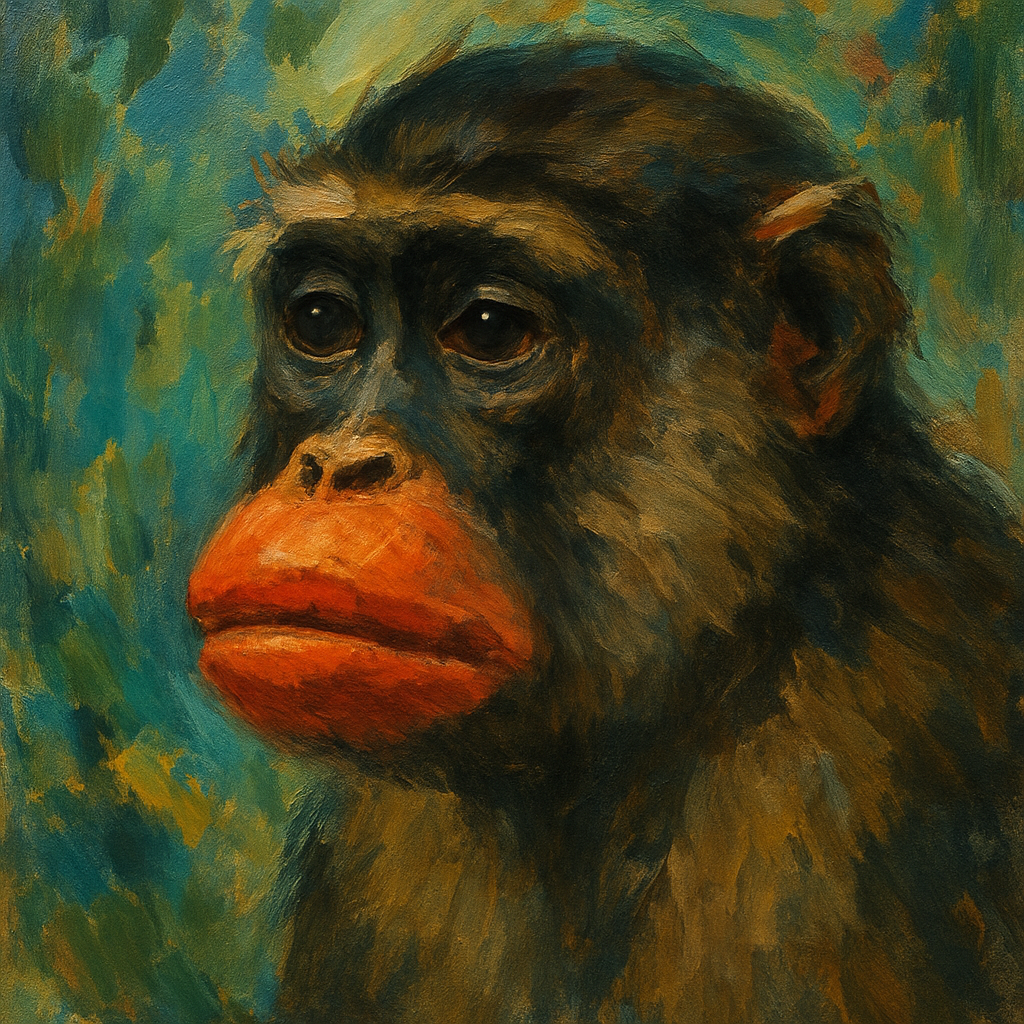
A new monkey species with distinctive orange lips was discovered in DR Congo.
Try this article at a different level?

A new species of monkey has been found in the forests of the Democratic Republic of Congo. This monkey has pinkish-orange lips and a black face, making it very unique. Locally, people call it 'Likweli', but scientists named it 'Colobus congoensis'. Everyone is excited about this interesting find in the animal world.

The monkey with black fur was first seen in 2008 but was not confirmed as a new species until now. Scientists only had a blurry photo to start with. After researching and studying more, they could officially say it is a new species. These kinds of monkeys are very special and not often discovered.

Scientists are eager to learn more about these special monkeys. They want to study how they live in their forest home. People have many questions about what they do for the environment. Protecting these monkeys from hunters is also very important to ensure their safety.

Original news source: New monkey species with orange lips found 'hiding' in DRC forest (BBC)

🎧 Listen:

πŸ“– Vocabulary:

1. species
2. discovered
3. striking
4. scientists
5. officially
6. classified
7. unique
8. behavior
9. ecosystem
10. investigation
11. confirming
12. priority

Group or Classroom Activities

Warm-up Activities:

1. Describe a time you discovered something new in your neighborhood.
2. Think of an unusual animal you've learned about. Share some details.
3. If you could name a new species, what would you call it and why?
4. Discuss why discovering a new animal species might be important.
5. Share what you imagine it would be like to find a new monkey in the wild.

πŸ€” Comprehension Questions:

1. Where was the new monkey species discovered?

2. What is a distinctive feature of the new monkey?

3. What name did the local people give the monkey?

4. When was the monkey first sighted?

5. Why is the discovery of the new species exciting?

6. What do scientists want to learn about the monkeys?

7. Why is protecting the monkeys important?

🎧✍️ Listen and Fill in the Gaps:

A new species of monkey has been found in the forests of the Republic of Congo. This monkey has pinkish-orange and a black face, making it very unique. Locally, call it 'Likweli', but scientists named it 'Colobus congoensis'. Everyone is excited about this interesting find in the animal . The monkey with fur was first seen in 2008 but was not as a new species until now. Scientists only had a blurry photo to start with. and more, they could officially say it is a new species. These kinds of monkeys are very special and not often discovered. Scientists are eager to learn more about these special monkeys. They want to study how they in their forest home. People have many questions about what they do for the environment. these monkeys from hunters is also very to ensure their safety.

πŸ’¬ Discussion Questions:

1. Why do you think discovering new species is important?
2. How would you feel if you discovered a new animal?
3. Do you think animals in the forest are easy to find? Why or why not?
4. What do you think scientists should study about new monkey species?
5. Why is it important to protect animals from hunting?
6. How would you help keep new species safe if you could?
7. What other animals have you heard are endangered?
8. Why do you think the local people have a name for the new monkey?
9. How do you think naming a new species helps in its study?
10. What role do you think animals play in their environment?
11. How can we balance human activities and wildlife protection?
12. What is one thing you would like to know about monkeys?

Individual Activities

πŸ“–πŸ’­ Vocabulary Meanings:

Click a dot next to a word, then click the dot next to its meaning to draw a line connecting them.

Words

1. species
2. discovered
3. striking
4. scientists
5. officially
6. classified
7. unique
8. behavior
9. ecosystem
10. investigation
11. confirming
12. priority

Meanings

(A) careful study
(B) community of living things
(C) very noticeable
(D) actions
(E) placed in a category
(F) making sure of something
(G) formally recognized
(H) most important thing
(I) found something new
(J) a group of similar living things
(K) one of a kind
(L) people who study science

πŸ”‘ Multiple Choice Questions:

1. What is unique about the newly discovered monkey?
(a) It is very small
(b) It can talk
(c) It flies
(d) It has pinkish-orange lips
2. What did people call the monkey before scientists named it?
(a) Momo
(b) Pogo
(c) Kiko
(d) Likweli
3. In what country was the monkey discovered?
(a) Brazil
(b) Democratic Republic of Congo
(c) India
(d) Australia
4. What year was the monkey first spotted?
(a) 2008
(b) 2018
(c) 1999
(d) 2020
5. What is the scientific name given to the monkey?
(a) Simian fantasticus
(b) Ape amazingus
(c) Colobus congoensis
(d) Monkeyus redlips
6. Why are scientists excited about the discovery?
(a) It's a new species
(b) It's a robot
(c) It's invisible
(d) It's a common pet
7. What do scientists want to study about the monkeys?
(a) Their singing
(b) Their behavior
(c) Their clothing
(d) Their favorite color
8. Why is protecting these monkeys important?
(a) To sell them
(b) To keep them as pets
(c) To keep them safe
(d) To change their color

πŸ•΅οΈ True or False Questions:

1. The new monkey was found in the Democratic Republic of Congo.
2. Scientists named the monkey 'Colobus giganteus'.
3. The monkey was first spotted in 2008.
4. The monkey has a black face and fur.
5. Scientists hope to forget more about the monkey's behavior.
6. The discovery excites both scientists and local people.
7. The monkey has a distinct greenish-blue colored lips.
8. Endangering these monkeys from hunters is unimportant.

Writing Questions:

1. Write about what you would do if you discovered a new animal.
2. Imagine you are a scientist studying the new monkey. What would you want to learn?
3. Describe why it is important to protect newly discovered species.
4. Write about how discovering new animals can help the environment.
5. Share your thoughts on why local names for animals are important.

How about these other Level 2 articles?

Online
Class
Writing
Coach
β˜• 컀피 3μž” &
무료 ν”Όλ“œλ°±! πŸŽ“
β˜• 컀피 3μž” & 무료 ν”Όλ“œλ°±! πŸŽ“

X

[100% 온라인] λž­μ»€μŠ€ν„° λŒ€ν•™κ΅ μ˜μ–΄ 연ꡬ μ°Έμ—¬μž λͺ¨μ§‘
λ³„λ„μ˜ μ°Έκ°€λΉ„ 없이 영ꡭ λŒ€ν•™ 연ꡬ에 도움도 μ£Όμ‹œκ³ , 무료 μ˜μ–΄ μ‹€μ „ μ—°μŠ΅κ³Ό ν”Όλ“œλ°±λ„ λ°›μ•„λ³΄μ„Έμš”!

영ꡭ λž­μ»€μŠ€ν„° λŒ€ν•™κ΅(Lancaster University)μ—μ„œ ν•œκ΅­μΈ μ˜μ–΄ ν•™μŠ΅μžλΆ„λ“€μ„ λŒ€μƒμœΌλ‘œ μƒˆλ‘œμš΄ 연ꡬ ν”„λ‘œμ νŠΈλ₯Ό μ§„ν–‰ν•©λ‹ˆλ‹€. μ „ κ³Όμ • 온라인으둜 μ§„ν–‰λ˜μ–΄ μ–΄λ””μ„œλ“  νŽΈν•˜κ²Œ μ°Έμ—¬ν•˜μ‹€ 수 μžˆμŠ΅λ‹ˆλ‹€. μ—¬λŸ¬λΆ„μ˜ μ†Œμ€‘ν•œ μ°Έμ—¬λ‘œ ν•œκ΅­μΈμ˜ μ˜μ–΄ μ‚¬μš© 방식을 μ•Œμ•„λ³΄λŠ” ν₯미둜운 연ꡬ가 μ™„μ„±λ©λ‹ˆλ‹€.

🎁 μ°Έμ—¬ ν˜œνƒ:
– 원어민 μ—°κ΅¬μ›κ³Όμ˜ 1:1 νšŒν™” μ—°μŠ΅
– μ‹€μ „ μ˜μž‘ μ—°μŠ΅ & λ§žμΆ€ν˜• μ˜μ–΄ ν”Όλ“œλ°± 리포트
– 컀피 κΈ°ν”„ν‹°μ½˜ 총 3μž” μ„ λ¬Ό! (첫 μ„Έμ…˜ ν›„ 1μž”, λ§ˆμ§€λ§‰ μ„Έμ…˜ μ™„λ£Œ ν›„ 2μž” 더 λ“œλ €μš”! β˜•β˜•)

πŸ“… μ°Έμ—¬ 방식: 총 2회의 온라인 μ„Έμ…˜ (Zoom 등을 이용, 각 μ„Έμ…˜λ‹Ή μ•½ 60~80λΆ„ μ†Œμš”) λ§ν•˜κΈ°μ™€ μ“°κΈ° ν™œλ™μ΄ μ„žμ—¬ μžˆμ–΄ λΆ€λ‹΄ 없이 즐겁게 μ°Έμ—¬ν•˜μ‹€ 수 μžˆμŠ΅λ‹ˆλ‹€.

βœ… λŒ€μƒ: μ˜μ–΄ μ‹€λ ₯에 상관없이 μ°Έμ—¬λ₯Ό ν¬λ§ν•˜λŠ” 18μ„Έ 이상 ν•œκ΅­μΈ λˆ„κ΅¬λ‚˜

Feedback