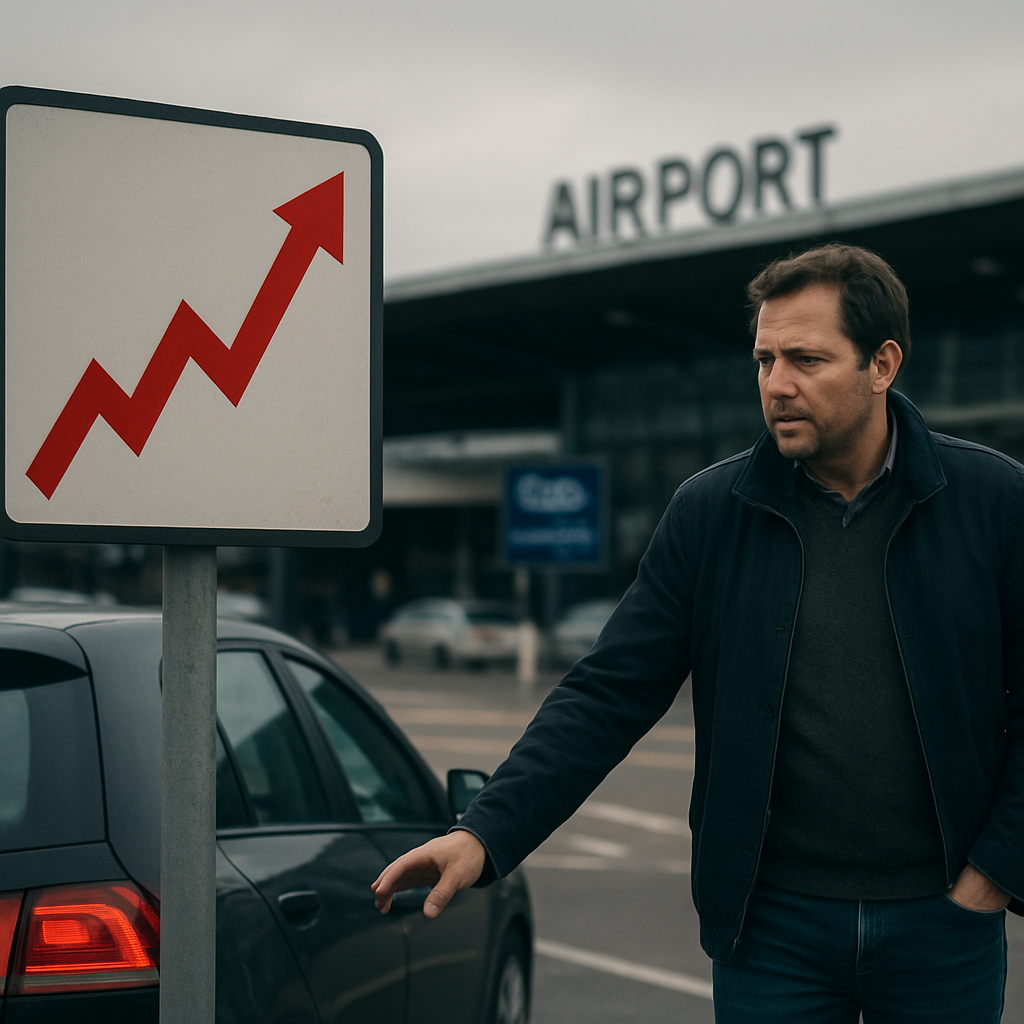
Many major UK airports have increased their drop-off fees, with a significant rise noticed this year. The research done by RAC highlights that fees have risen by a third on average since last summer. Gatwick and Stansted are the UK airports with the highest charges, both at £10. But Gatwick only grants 10 minutes with that charge, whereas Stansted allows 15 minutes.
The gradual trend of increased fees aims to encourage passengers to consider alternatives like public transport. Gatwick Airport is particularly pushing for more people to use trains and buses to get there. They reinforce this change with 120 train connections in London and the South East. Their ultimate goal is more than half of the airport's passengers choosing trains or buses over cars.
While the UK adopts higher drop-off fees, the RAC noted that the top ten airports in the EU do not charge for drop-offs. This practice marks a significant contrast between the UK and EU airports. Some passengers in the UK can still access free drop-off points if willing to park further away and use a shuttle service to the terminal.
Many stakeholders criticize this pricing policy for adding extra costs, especially for frequent business travelers. Some believe that traffic congestion and reducing emissions might not justify such expensive fees. Airports defending the fee spikes say these strategies align with their climate objectives. They also emphasize the importance of addressing local community concerns about pollution.
Original news source: Airport drop-off fees up by a third – here are the priciest – BBC News (BBC)
🎧 Listen:
📖 Vocabulary:
Group or Classroom Activities
Warm-up Activities:
1. Discuss your last visit to an airport and any fees you encountered.
2. Talk about different public transport options available in your country.
3. Have you ever used a shuttle service to an airport? Share your experience.
4. Consider the pros and cons of using a car versus public transport to an airport.
5. Explore how environmental concerns have changed travel policies.
🤔 Comprehension Questions:
They have increased their drop-off fees.
They have risen by a third on average.
Gatwick and Stansted.
To encourage passengers to use public transport.
It has 120 train connections in London and the South East.
EU airports do not charge for drop-offs.
They criticize the extra costs for travelers, especially frequent business travelers.
🎧✍️ Listen and Fill in the Gaps:
Many major UK have increased their drop-off fees, with a significant rise this year. The research done by RAC highlights that fees have risen by a on average since last summer. and Stansted are the UK airports with the highest charges, both at £10. But Gatwick only grants 10 minutes with that charge, whereas Stansted 15 minutes. The gradual trend of increased fees aims to encourage passengers to consider alternatives like public . Gatwick is particularly for more people to use trains and buses to get there. They reinforce this change with 120 train connections in London and the South East. Their ultimate goal is more than half of the airport's passengers choosing trains or buses over cars. While the UK adopts drop-off fees, the RAC noted that the top ten airports in the EU do not charge for drop-offs. This practice marks a significant between the UK and EU airports. Some passengers in the UK can still free drop-off points if to park further away and use a shuttle service to the terminal. Many stakeholders criticize this policy for adding extra costs, especially for business travelers. Some believe that traffic congestion and reducing emissions might not justify such fees. Airports defending the fee spikes say these strategies align with their climate objectives. They also emphasize the importance of addressing local community concerns about .
💬 Discussion Questions:
1. How do you feel about the increase in airport drop-off fees?
2. Do you prefer traveling to the airport by train, bus, or car? Why?
3. Are drop-off fees a good way to encourage public transport?
4. How do airport policies in the UK differ from your country?
5. What impact do you think these fees have on frequent travelers?
6. Could the increase in fees affect tourism?
7. How does public transport accessibility affect airport choices?
8. Is it fair to charge higher fees to reduce congestion?
9. What are other ways airports can address their local community concerns?
10. Do you think these strategies will effectively reduce car use?
11. How might airlines be affected by these changes?
12. Should environmental goals be prioritized over passenger convenience?
Individual Activities
📖💭 Vocabulary Meanings:
Click a dot next to a word, then click the dot next to its meaning to draw a line connecting them.