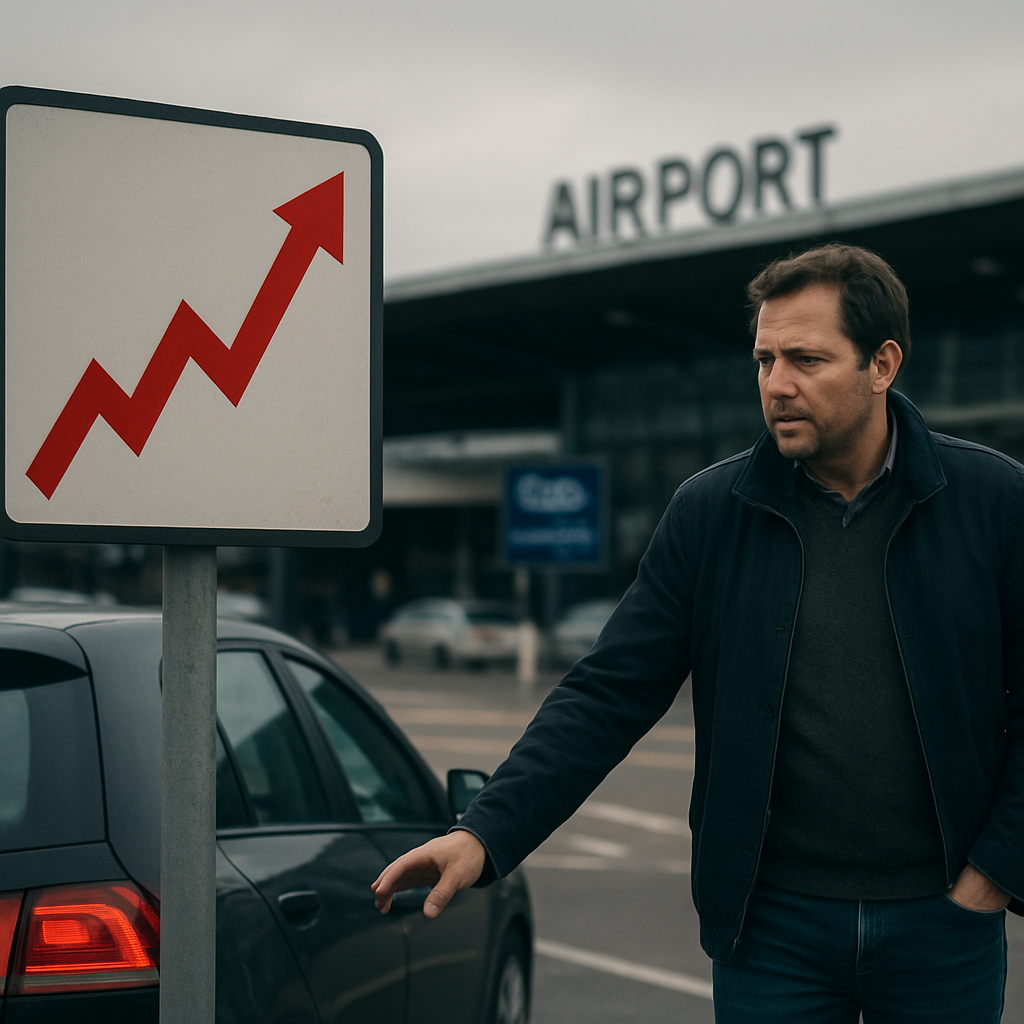
The recent increase in drop-off fees at major UK airports has become a contentious issue, generating significant discourse around its implications for travelers and environmental policies. Analyzed reports indicate that these fees have escalated by an average of a third since last summer, predominantly affecting those who choose to be dropped off closer to the terminal. Renowned airports like Gatwick and Stansted have implemented some of the highest fees, charging £10 for short stays of merely 10 to 15 minutes.
This development mirrors a broader strategy among airports to advocate for the use of alternative transportation, with a strong emphasis on public transit. Gatwick, in particular, has been channeling efforts into enhancing its rail and bus connections, aspiring to see a majority of passengers relying on these modes of transport. The airport's accessibility to 120 train stations is heavily promoted as part of this initiative, which simultaneously aligns with the infrastructural prerequisites linked to their anticipated second runway project.
In stark contrast, none of the top ten EU airports levy a charge for terminal drop-offs, sparking discussions about the rationale behind the UK airports' pricing policies. The RAC has called for increased awareness regarding new 'barrierless' payment zones, where drivers risk accumulating parking charges if fees are not promptly paid. This discrepancy between UK and European airports raises questions about the motivations driving the UK airports' fee increases.
Industry leaders and business travel executives have added their voices to the criticism, highlighting the financial strain these fees impose on travelers. Skepticism mounts over justifications such as congestion reduction, environmental concerns, and the supposed benefits of public transportation, given the shifting narratives around their efficacy. Clive Wratten of the Business Travel Association has strongly criticized the inconsistent explanations provided by airport authorities concerning these fee surges.
Despite the pushback, airport representatives insist that these fees are necessary to manage traffic and pollution, and contribute to broader climate objectives. They argue that such measures are in harmony with governmental and local environmental mandates. Nonetheless, finding a balance between ecological responsibilities and passenger convenience remains a delicate challenge, perpetuating the debate over airport access strategies and their long-term sustainability.
Original news source: Airport drop-off fees up by a third – here are the priciest – BBC News (BBC)
🎧 Listen:
📖 Vocabulary:
Group or Classroom Activities
Warm-up Activities:
1. Discuss the recent changes in airport policies for drop-offs in your country.
2. Identify different modes of public transportation available near an airport you have visited.
3. Have you ever faced unusually high fees at an airport? Share your experience.
4. Debate the pros and cons of using public transport versus private vehicles to airports.
5. Brainstorm what other incentives airports can offer to encourage public transport use.
🤔 Comprehension Questions:
The primary impact is the increased cost for travelers choosing to be dropped off near terminals.
Gatwick aims to encourage the use of public transportation among travelers.
UK airports charge drop-off fees, unlike the top ten EU airports.
The RAC has highlighted the potential for parking charge notices in new 'barrierless' payment zones.
One criticism is the inconsistency and frequent changes in the justifications for the fee increases.
Airport authorities justify the fee increases as necessary for managing vehicle activity and supporting climate goals.
The ongoing debate is about balancing community concerns with traveler convenience regarding airport access policies.
🎧✍️ Listen and Fill in the Gaps:
The recent increase in drop-off fees at major UK has become a contentious issue, generating significant discourse around its implications for travelers and environmental policies. Analyzed reports indicate that these fees have escalated by an average of a third since last summer, predominantly affecting those who choose to be dropped off closer to the terminal. airports like and Stansted have implemented some of the highest fees, charging £10 for short of merely 10 to 15 minutes. This development mirrors a broader strategy among airports to advocate for the use of alternative transportation, with a strong emphasis on public transit. Gatwick, in particular, has been channeling efforts into enhancing its rail and bus connections, aspiring to see a majority of passengers relying on these modes of transport. The accessibility to 120 train stations is heavily as part of this initiative, which simultaneously aligns with the infrastructural linked to their anticipated second runway project. In stark contrast, none of the top ten EU airports levy a charge for terminal drop-offs, sparking about the rationale behind the UK airports' pricing . The RAC has called for increased awareness regarding new 'barrierless' payment zones, where drivers risk accumulating parking charges if fees are not promptly paid. This between UK and European airports raises questions about the motivations driving the UK airports' fee increases. leaders and business travel executives have added their voices to the criticism, highlighting the financial strain these fees impose on travelers. Skepticism over justifications such as congestion reduction, environmental concerns, and the supposed benefits of public transportation, given the shifting narratives around their efficacy. Clive Wratten of the Business Travel has strongly criticized the inconsistent explanations provided by authorities concerning these fee surges. the pushback, airport representatives insist that these fees are necessary to manage traffic and pollution, and contribute to broader climate objectives. They argue that such measures are in harmony with governmental and local environmental mandates. Nonetheless, finding a balance between ecological responsibilities and passenger convenience remains a delicate , perpetuating the debate over airport access strategies and their long-term sustainability.
💬 Discussion Questions:
1. How do the increasing drop-off fees at UK airports reflect broader environmental policies?
2. Do you agree with the critics that the justifications for fee increases lack consistency?
3. What alternatives could airports offer to balance convenience and environmental goals?
4. How might the fee increases affect the average traveler's decision when choosing an airport?
5. Could different pricing policies create competitive advantages or disadvantages among airports?
6. How significant is the role of public transportation in reducing airport congestion?
7. From your perspective, are the fee increases justified by environmental benefits?
8. What changes would you recommend to airports to improve traveler satisfaction?
9. In what ways can governments influence airport pricing and access policies?
10. Should the government intervene more in setting regulations for airport fees?
11. How do airport fee policies affect the travel and tourism industry?
12. What steps can travelers take to mitigate the impact of increased airport fees?
Individual Activities
📖💭 Vocabulary Meanings:
Click a dot next to a word, then click the dot next to its meaning to draw a line connecting them.