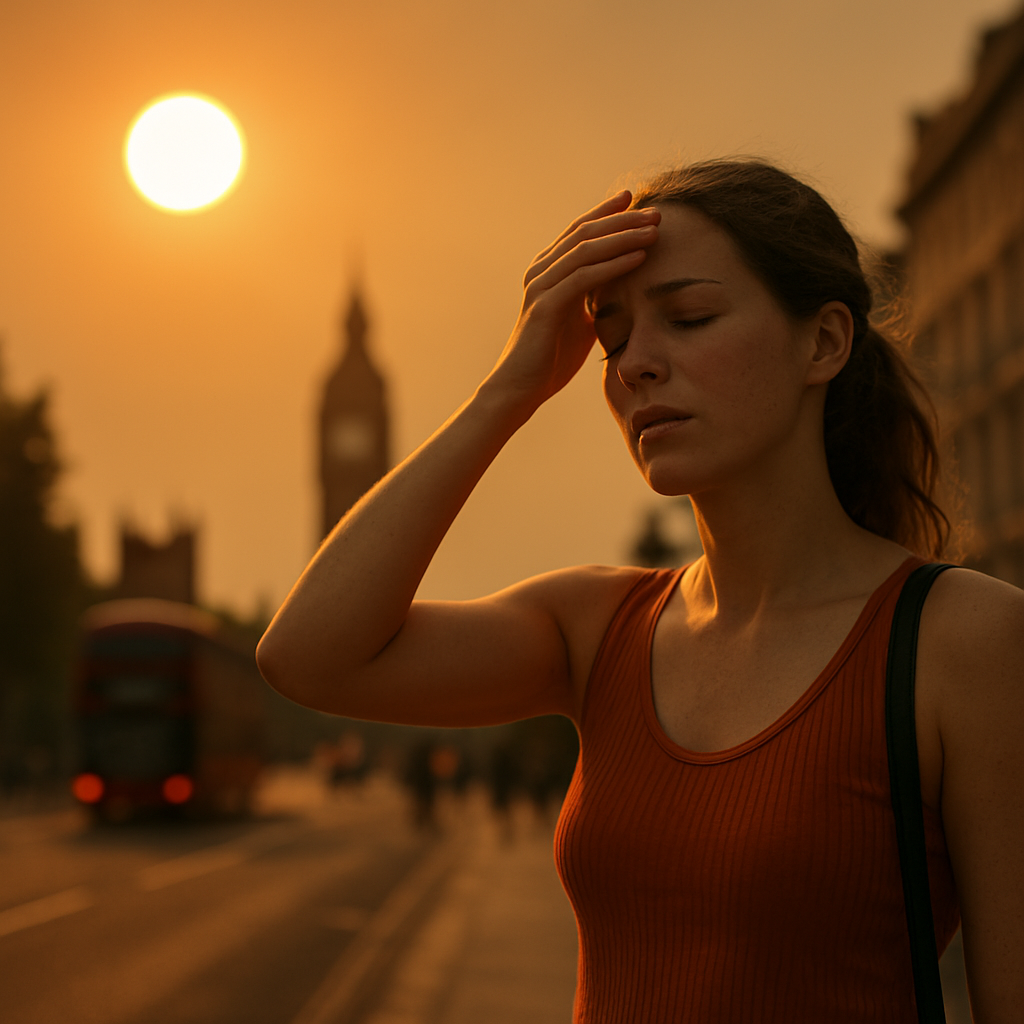
A significant heatwave is gripping parts of the UK for the fourth time this year. Temperatures in the southeast and eastern England are forecasted to reach up to 35°C, peaking on Wednesday. The UK Health Security Agency has issued amber alerts indicating that the heat poses health risks, particularly to vulnerable populations.
While the heatwave affects southern and eastern England, Northern Ireland and Scotland will continue with cooler and wetter weather patterns. These differences highlight the typical north-south weather divide in the UK, with the hottest temperatures focused in central and southern regions.
The persistent dry weather remains a concern, particularly in areas already struggling with low rainfall. July has recorded one of the lowest rainfall levels on record, exacerbating drought conditions. Minor showers might occur later in the week, but substantial rainfalls are not anticipated, raising concerns over wildfires in dry regions.
Given the ongoing extreme heat and dry conditions, the public is advised to remain vigilant and take necessary precautions. Hydration and avoiding direct sunlight during peak hours are crucial to prevent heat-related health issues. Residents are also encouraged to stay updated by checking local forecasts.
Original news source: UK weather: Fourth heatwave of the year under way – BBC Weather (BBC)
🎧 Listen:
📖 Vocabulary:
Group or Classroom Activities
Warm-up Activities:
1. Discuss with a partner if you've ever experienced a heatwave. What was it like?
2. Describe how you feel about hot weather. Do you enjoy it or not?
3. Have you ever been in a place with a significant weather change? What happened?
4. Share an example of how weather can affect your daily activities.
5. What precautions do you take when the weather is extremely hot?
🤔 Comprehension Questions:
A significant heatwave is occurring for the fourth time.
In the southeast and eastern England.
Amber alerts have been issued for health risks.
Northern Ireland and Scotland have cooler and wetter weather.
Drought conditions are worsened.
Minor showers might occur, but substantial rainfalls are not expected.
They are advised to stay hydrated and avoid direct sunlight.
🎧✍️ Listen and Fill in the Gaps:
A significant is gripping parts of the UK for the fourth time this year. Temperatures in the and eastern England are forecasted to reach up to 35°C, peaking on . The UK Health Security has issued amber alerts indicating that the heat poses health risks, particularly to vulnerable populations. While the heatwave affects southern and eastern , Northern Ireland and Scotland will continue with and wetter patterns. These differences highlight the typical north-south weather divide in the UK, with the temperatures focused in central and southern regions. The dry weather remains a concern, particularly in areas already struggling with low . July has recorded one of the lowest rainfall levels on record, exacerbating drought conditions. showers might occur later in the week, but substantial are not anticipated, raising concerns over wildfires in dry regions. Given the extreme heat and dry conditions, the is advised to remain vigilant and take necessary precautions. Hydration and avoiding direct sunlight peak are crucial to prevent heat-related health issues. Residents are also encouraged to stay updated by checking local forecasts.
💬 Discussion Questions:
1. How does weather influence your mood and energy levels?
2. Have you noticed any changes in weather patterns where you live?
3. What are some ways communities can prepare for heatwaves?
4. How do you think climate change is affecting weather extremes?
5. Do you believe weather forecasting is accurate?
6. What impact does a heatwave have on the environment?
7. How can people protect themselves from heat-related health risks?
8. Do you prefer summer heat or winter cold? Why?
9. How do public warnings benefit society during extreme weather events?
10. What role does technology play in understanding weather patterns?
11. Should governments do more to address climate issues related to weather?
12. How does extreme weather affect wildlife in your area?
Individual Activities
📖💭 Vocabulary Meanings:
Click a dot next to a word, then click the dot next to its meaning to draw a line connecting them.