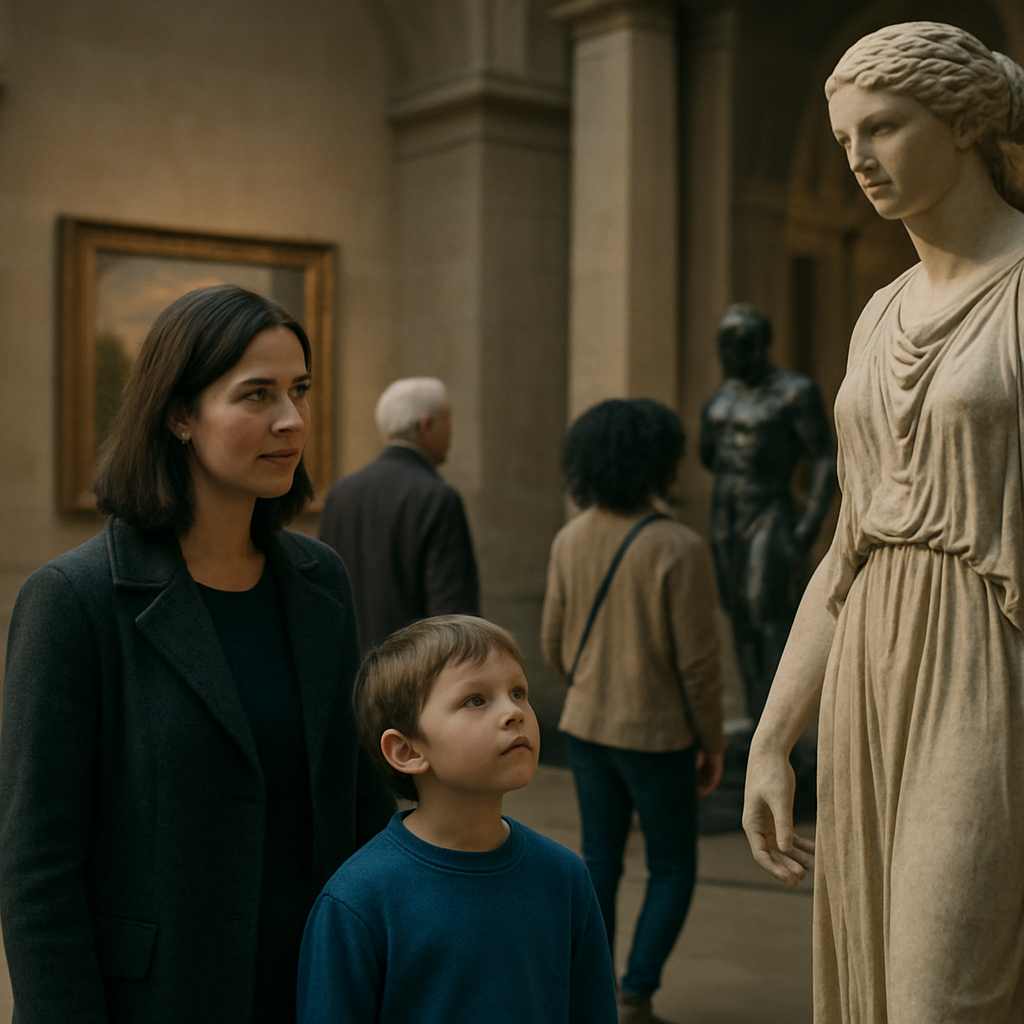
Britain's national museums will continue to offer free admission to both domestic and international visitors. After careful deliberation, the UK government decided to preserve the universal free-entry policy, despite previous discussions of levying charges on international tourists. This move, aimed at addressing funding challenges without alienating domestic visitors, was seen as more beneficial overall.
In the early part of 2026, the Department for Digital, Culture, Media and Sport (DCMS) explored various funding models. Former Labour minister Baroness Margaret Hodge's review had suggested adopting a fee structure similar to countries like New Zealand and Singapore, potentially providing a new revenue stream. Yet, the risk of negatively impacting domestic tourism and the uneven distribution of benefits across the sector led to the retention of the existing policy.
National museums have been free to visit since 2001, attracting millions globally. The Natural History Museum and the British Museum are among leading institutions, generating significant economic benefits through tourism. Their directors commended the government's decision, emphasizing that free access is integral to sustaining high visitor numbers and economic contribution.
The choice to preserve free admission aligns with strategic cultural and economic goals. The DCMS announced additional funding packages for museums, including a £1.5 billion Arts Everywhere Fund, to support infrastructure and sustainable business models. This financial support aims to enhance museum operations while maintaining public access.
Culture Secretary Lisa Nandy underscored the importance of accessibility, reinforcing museums' roles as cultural beacons. Nandy stated that keeping museums open to all, without charge, ensures broad public engagement with the nation's cultural heritage. The overall decision to maintain free entry is seen as a strategic reinforcement of the UK's cultural leadership on the global stage.
Original news source: National museums to stay free to all visitors, government says – BBC News (BBC)
🎧 Listen:
📖 Vocabulary:
Group or Classroom Activities
Warm-up Activities:
1. Discuss your favorite museum and what you learned from it.
2. Share an experience where you visited a national museum.
3. Talk about the benefits of free admission to cultural institutions.
4. Consider how museums contribute to cultural education.
5. Discuss the importance of maintaining public access to heritage sites.
🤔 Comprehension Questions:
The decision was to maintain free admission to national museums.
It was considered to address funding challenges.
Free admission began in
The Department for Digital, Culture, Media and Sport (DCMS) explored them.
The existing policy of free admission was retained.
The fund is called the Arts Everywhere Fund.
Lisa Nandy emphasized the importance of accessibility and cultural engagement.
🎧✍️ Listen and Fill in the Gaps:
Britain's national museums will continue to offer free admission to both domestic and international visitors. After deliberation, the UK government decided to preserve the universal free-entry policy, despite previous of levying on international tourists. This move, aimed at addressing funding without alienating domestic visitors, was seen as more beneficial overall. In the early part of 2026, the Department for Digital, Culture, Media and Sport (DCMS) explored various funding models. Labour minister Baroness Margaret Hodge's review had suggested adopting a fee structure similar to countries like New Zealand and , potentially providing a new revenue stream. Yet, the risk of negatively impacting domestic tourism and the uneven distribution of benefits across the sector led to the retention of the policy. museums have been free to visit since 2001, attracting millions globally. The Natural Museum and the British Museum are among leading institutions, generating significant economic benefits through tourism. Their directors commended the decision, emphasizing that free access is integral to high visitor numbers and economic contribution. The choice to preserve free aligns with strategic cultural and economic goals. The DCMS announced additional funding packages for museums, including a £1.5 billion Arts Everywhere Fund, to support infrastructure and sustainable business models. This financial support aims to enhance operations while maintaining public access. Culture Secretary Lisa Nandy underscored the importance of accessibility, museums' roles as beacons. Nandy stated that keeping museums open to all, without charge, ensures broad public engagement with the nation's cultural heritage. The overall decision to maintain free entry is seen as a strategic reinforcement of the UK's cultural on the global stage.
💬 Discussion Questions:
1. How do you feel about the importance of free admission to museums?
2. Do you think charging tourists for museum entry is a fair policy? Why or why not?
3. How can museums balance financial needs with public access?
4. What cultural benefits do museums provide to society?
5. Should the government subsidize all national museums? Explain your opinion.
6. How do different countries manage museum funding, and which model do you prefer?
7. What impact would introducing a fee have on museum attendance?
8. Discuss how museums can remain relevant in a digital age.
9. How should museums innovate to attract younger audiences?
10. Do you think free museum access encourages more cultural engagement? Why?
11. How do museums contribute to a country's international image and relationships?
12. What role do museums play in preserving history and culture?
Individual Activities
📖💭 Vocabulary Meanings:
Click a dot next to a word, then click the dot next to its meaning to draw a line connecting them.