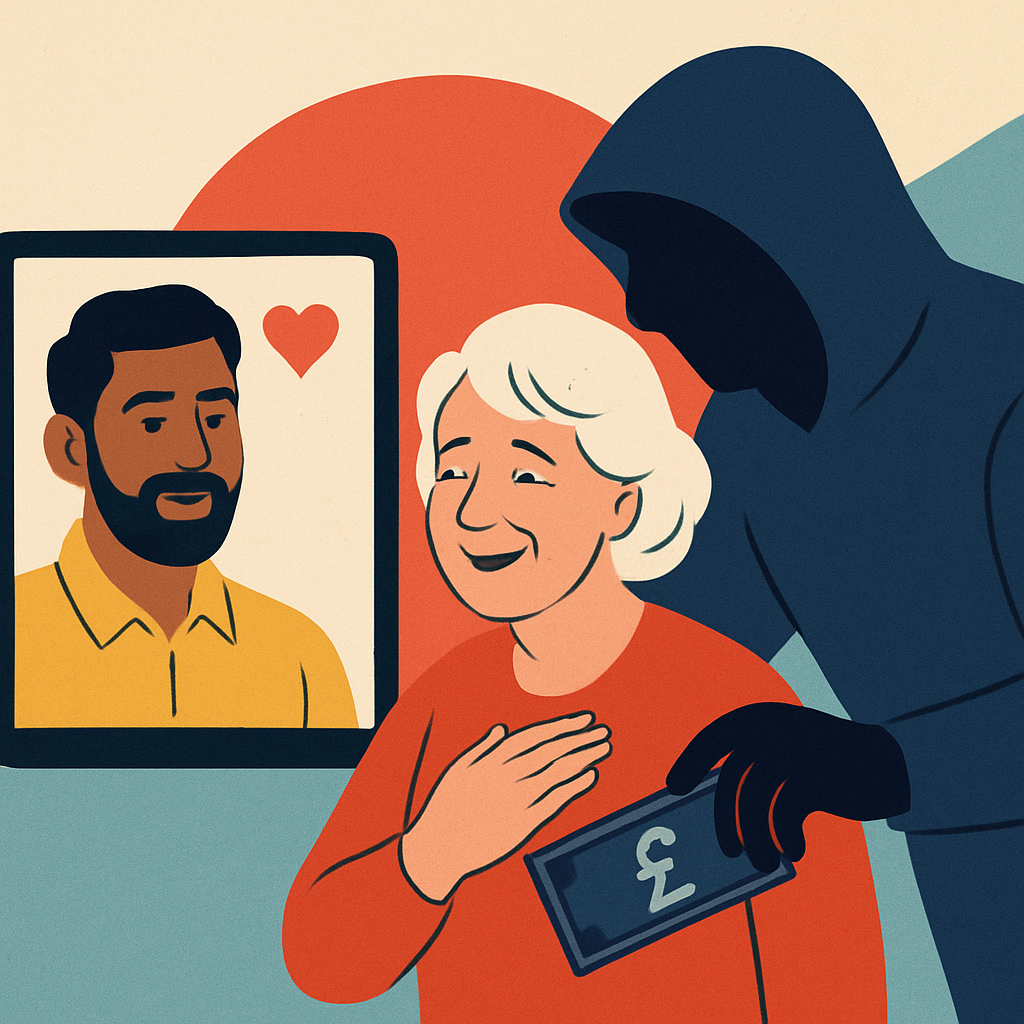
Helen's elderly mother was tricked by scammers posing as a romantic partner online. She sent them a total of £140,000, believing she was helping her partner with emergencies. Her mother, who had met the scammers through Facebook, became secretive and defensive about the interactions.
Helen noticed the changes and discovered the scam when her mother misdirected messages meant for the scammers. Helen attempted to talk to her mother and was met with resistance. Her mother believed she was in a genuine relationship and was embarrassed by Helen's concerns. Experts advise calm discussions and avoiding confrontational approaches to help victims see the truth.
Helen tried to show her mother the scammer's deceptions through a video call. She noticed the scammer's image was not genuine, a type of fraud known as deepfake. Despite her efforts, her mother initially refused to accept the truth.
Eventually, Helen took steps to protect her mother by contacting her bank and changing her digital information. Professional advice suggested resetting phone numbers and social media accounts to block the scammers' access. This case highlights the importance of vigilance and family support for potential scam victims.
Original news source: 'Mum sent them £140,000': How to spot the signs a loved one is being scammed – BBC News (BBC)
🎧 Listen:
📖 Vocabulary:
Group or Classroom Activities
Warm-up Activities:
1. Have you ever received a suspicious message online? How did you handle it?
2. What are some common signs of a scam that you know?
3. How can social media be a risk for personal security?
4. Discuss the importance of being cautious online.
5. Have you or someone you know ever been scammed? Share the experience.
🤔 Comprehension Questions:
Through Facebook.
She attempted to talk to her mother about it.
By arranging a video call to show the scammer's deception.
Deepfake.
£140,
She contacted the bank and changed her mother’s digital information.
It helps potential scam victims see the truth and seek help.
🎧✍️ Listen and Fill in the Gaps:
Helen's elderly mother was tricked by scammers posing as a romantic partner . She sent them a total of £140,000, believing she was her partner with emergencies. Her mother, who had met the scammers through Facebook, and defensive about the interactions. Helen noticed the changes and discovered the scam when her mother misdirected for the . Helen attempted to talk to her mother and was met with resistance. Her mother believed she was in a relationship and was embarrassed by Helen's concerns. Experts advise calm discussions and confrontational approaches to help victims see the . Helen tried to show her mother the scammer's deceptions through a video call. She noticed the scammer's was not genuine, a type of fraud known as . Despite her efforts, her mother initially refused to accept the truth. Eventually, Helen took steps to protect her mother by contacting her bank and changing her digital information. Professional advice suggested resetting phone and accounts to block the scammers' access. This case highlights the importance of and family support for potential scam victims.
💬 Discussion Questions:
1. Why do you think scams are so prevalent on social media?
2. How can families help each other avoid online scams?
3. What impact do scams have on victims emotionally and financially?
4. Do you believe anyone is vulnerable to being scammed?
5. How important is technology knowledge in preventing scams?
6. In your opinion, what methods should be used to educate people about online scams?
7. What role does trust play in making someone vulnerable to a scam?
8. How can governments and organizations help reduce the occurrence of scams?
9. Do you think social media companies have a responsibility in preventing scams?
10. How would you approach a family member if you suspected they were being scammed?
11. What are some steps individuals can take to protect themselves online?
12. How does shame or embarrassment affect a scam victim’s likelihood to seek help?
Individual Activities
📖💭 Vocabulary Meanings:
Click a dot next to a word, then click the dot next to its meaning to draw a line connecting them.