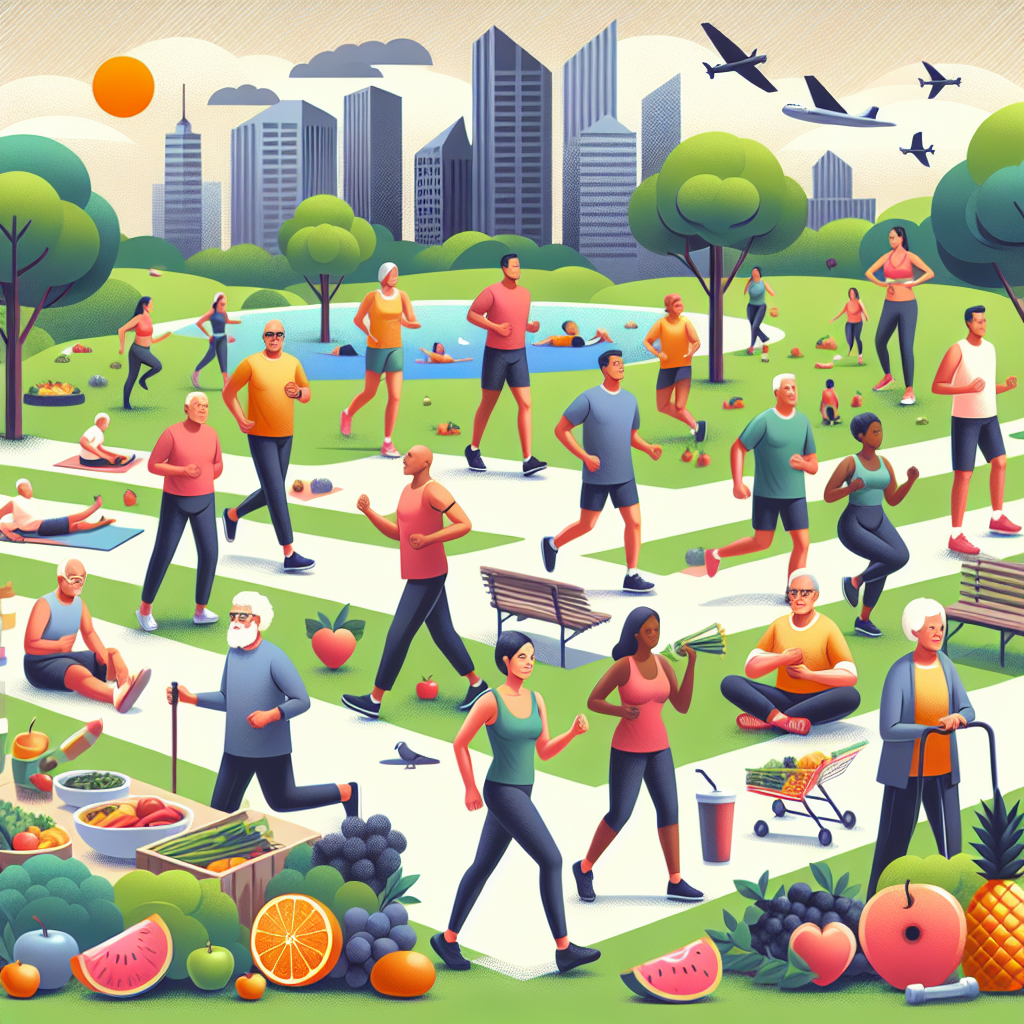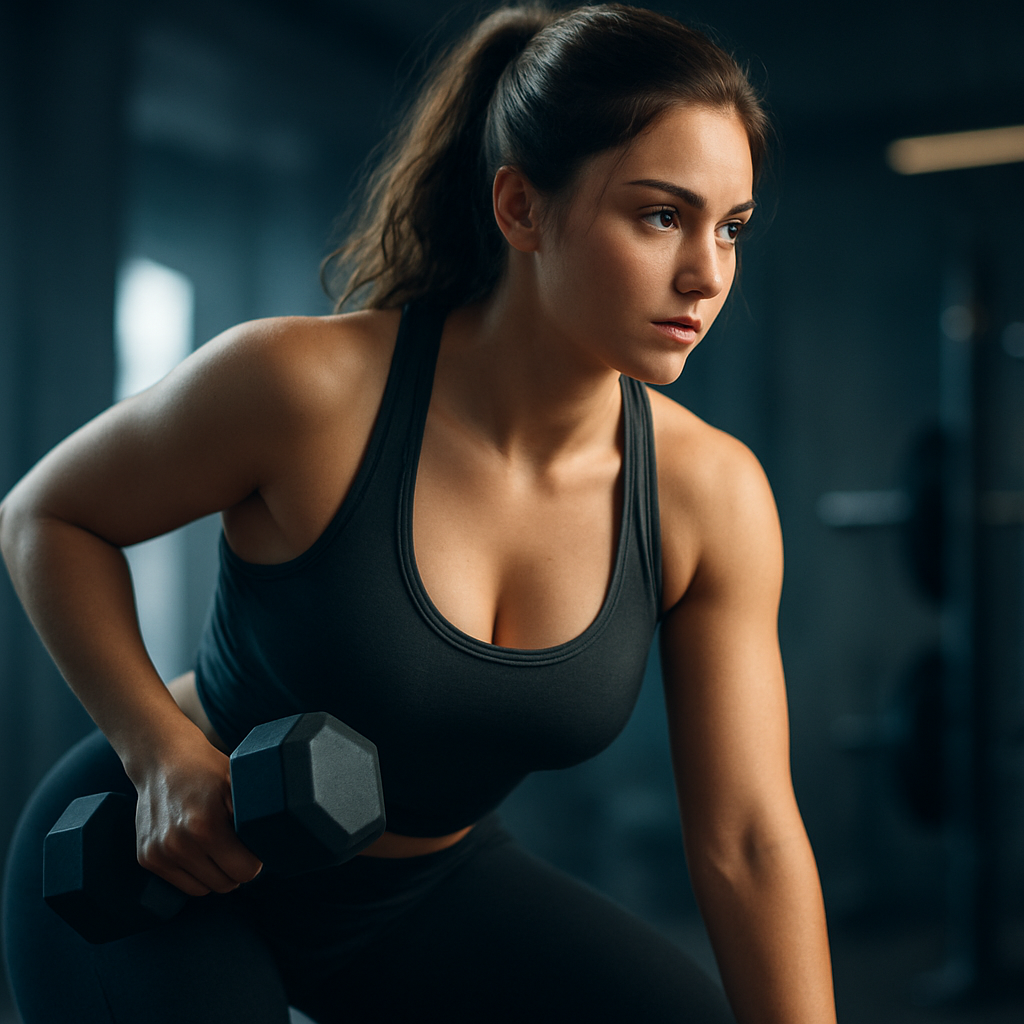
Generation Z is redefining fitness priorities by favoring strength training over traditional cardio exercises such as running. This emerging trend is noted by Antonia Duffin, a seasoned personal trainer and gym owner. She observes that her clients, ranging from those preparing for childbirth to individuals seeking better management of conditions like endometriosis, are increasingly opting for weightlifting. This fitness evolution transcends aesthetics, addressing critical health concerns such as preventing osteoporosis through enhanced muscle strength.
The surge in gym engagement among young adults, especially Gen Z, reflects a broadening appreciation for weight-based exercises. Experts argue that resistance training offers transformative benefits, including improved body composition and more rapid physical advancements compared to aerobic exercises. Social media significantly influences this trend, with fitness influencers and online communities promoting strength training as a viable and rewarding lifestyle.
Current studies attribute numerous health benefits to consistent strength training. It plays a pivotal role in maintaining cardiovascular health similar to aerobic workouts while also bolstering cognitive functions and elevating self-worth. The social facets of strength training, whether through shared gym sessions or group classes, foster a supportive community-centric fitness environment.
Even as running endures as a widely practiced activity, its popularity is generally declining. Nevertheless, organized community runs remain strong, attracting diverse participant demographics and emphasizing the importance of social connection in fitness. This is especially relevant in the context of growing remote work environments, which heighten the value of accessible, community-focused exercise options like local gyms and parkruns.
The financial commitment to maintaining an active lifestyle is becoming a top expenditure, particularly among younger demographics who value gym memberships parallel to essential expenses. The inclination to invest in fitness underscores its perceived significant role in achieving well-being and satisfaction. As fitness spaces evolve into social hubs, they continue to redefine the relationship between community and individual health initiatives.
Original news source: Why Gen Z is swapping cardio for strength training – BBC News (BBC)
🎧 Listen:
📖 Vocabulary:
Group or Classroom Activities
Warm-up Activities:
1. Discuss any fitness activities you're involved in and their benefits.
2. Share your opinions on the role of social media in shaping fitness trends.
3. Talk about how your fitness priorities have changed over time and why.
4. Discuss different fitness competitions or events you've heard of.
5. Share a personal experience of how exercise has improved your health or mood.
🤔 Comprehension Questions:
Strength training over traditional cardio exercises like running.
She is a seasoned personal trainer and gym owner who observes the fitness trend.
It helps prevent osteoporosis by enhancing muscle strength.
Through fitness influencers and online communities promoting strength training.
It maintains cardiovascular health.
It is generally declining.
They are evolving into social hubs where community and individual health initiatives are redefined.
🎧✍️ Listen and Fill in the Gaps:
Generation Z is redefining fitness priorities by favoring strength training over traditional cardio exercises such as running. This emerging trend is noted by Antonia Duffin, a seasoned personal trainer and gym owner. She observes that her , ranging from those for childbirth to seeking better management of conditions like endometriosis, are increasingly opting for weightlifting. This fitness evolution transcends aesthetics, addressing critical health concerns such as preventing through enhanced muscle strength. The surge in gym engagement among young adults, especially Gen Z, reflects a broadening for weight-based exercises. Experts argue that resistance training offers transformative benefits, including improved body composition and more rapid physical advancements compared to aerobic exercises. Social media significantly influences this trend, with fitness and online promoting training as a viable and rewarding lifestyle. Current studies attribute numerous health benefits to consistent strength training. It plays a pivotal role in maintaining cardiovascular health similar to aerobic workouts while also cognitive functions and elevating self-worth. The facets of strength training, whether through shared gym sessions or group classes, foster a supportive community-centric fitness environment. Even as running as a widely activity, its popularity is generally declining. Nevertheless, organized community runs remain strong, attracting diverse participant demographics and emphasizing the importance of social connection in fitness. This is especially relevant in the context of growing remote work environments, which heighten the value of accessible, community-focused exercise options like local gyms and parkruns. The financial commitment to maintaining an active lifestyle is becoming a top expenditure, particularly among younger demographics who value gym memberships parallel to essential expenses. The to invest in fitness underscores its perceived role in achieving well-being and satisfaction. As fitness evolve into social hubs, they continue to redefine the between community and individual health initiatives.
💬 Discussion Questions:
1. Why do you think Generation Z favors strength training over traditional cardio?
2. How can fitness influencers positively or negatively impact people's health decisions?
3. What are some of the reasons people might avoid strength training?
4. How important is community support when engaging in fitness activities?
5. Have you observed any shifts in fitness trends recently? What might be causing these changes?
6. In your view, how can public spaces encourage more participation in fitness activities?
7. How do your cultural background or upbringing influence your view on fitness?
8. Do you believe financial investment is necessary for a healthy lifestyle? Why or why not?
9. What role does technology play in your personal fitness routine?
10. How do you balance fitness routines with other life responsibilities?
11. What are the potential mental health benefits of participating in physical activities?
12. How do you envision the future of the fitness industry in the coming decade?
Individual Activities
📖💭 Vocabulary Meanings:
Click a dot next to a word, then click the dot next to its meaning to draw a line connecting them.