
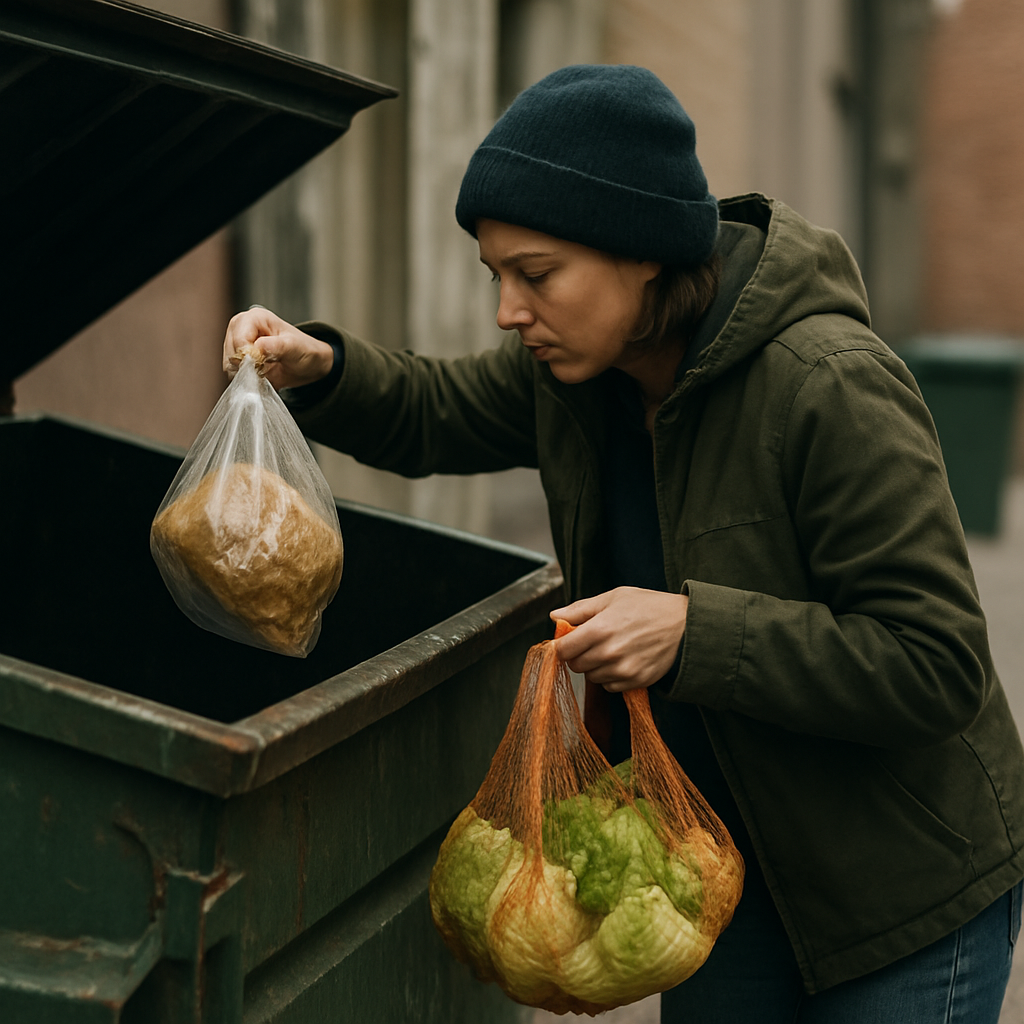
In London, a mother named Darryl Baker makes interesting discoveries near her local supermarket's recycling bins. With permission, she finds useful items like clothes for her kids and household goods. By reselling some of these finds, Darryl saves hundreds of pounds and sometimes even makes money. Her actions also help the environment by keeping things from going to waste.
In Texas, a 72-year-old man named Jeff Ferrell has turned dumpster diving into almost an art form. For over fifty years, he has been collecting unwanted treasures that others throw away. Jeff believes that he is like a modern-day Robin Hood, taking good items from the trash and redistributing them to those in need. Cycling around richer neighborhoods, he finds things to sell and donate, which prevents them from being wasted.
Charlotte Bayford, from Essex, also enjoys finding hidden gems left behind by university students during the summer. She gathers useful items like unopened toiletries and household products, helping her save a lot over time. Dumpster diving used to be seen as something odd, but now, more people are sharing their discoveries online. This shows how valuable and rewarding this activity can be for both individuals and communities.
Original news source: From scooters to shampoo – the people saving hundreds from dumpster diving – BBC News (BBC)
🎧 Listen:
📖 Vocabulary:
Group or Classroom Activities
Warm-up Activities:
1. Have you ever found something useful that someone was throwing away?
2. What do you usually recycle at home or school?
3. Do you know what happens to items when they are recycled?
4. Why is it important to take care of our environment?
5. What can you do to reduce waste in your daily life?
🤔 Comprehension Questions:
She finds them near her local supermarket's recycling bins.
By reusing items that would otherwise be thrown away.
He has been dumpster diving and collecting unwanted treasures.
She finds unopened toiletries and household goods left by students.
As valuable and rewarding, rather than something odd.
To collect unwanted items and redistribute them.
She saves hundreds of pounds and sometimes makes money.
🎧✍️ Listen and Fill in the Gaps:
In London, a mother named Darryl Baker interesting discoveries near her local supermarket's recycling bins. With permission, she finds items like clothes for her kids and household goods. By some of these finds, Darryl saves hundreds of pounds and sometimes even makes money. Her actions also help the environment by keeping things from going to waste. In , a 72-year-old man named Jeff Ferrell has turned dumpster diving into almost an art form. For over , he has been collecting unwanted treasures that others throw away. Jeff believes that he is like a modern-day Robin Hood, taking good items from the trash and redistributing them to those in need. Cycling around richer neighborhoods, he finds things to sell and donate, which prevents them from being wasted. Bayford, from , also enjoys finding gems left behind by university students during the summer. She gathers useful items like unopened toiletries and household products, helping her a lot over time. diving used to be seen as something odd, but now, more are sharing their discoveries online. This shows how valuable and rewarding this activity can be for both individuals and communities.
💬 Discussion Questions:
1. Would you ever try dumpster diving? Why or why not?
2. What do you think is the best way to reuse items?
3. How does dumpster diving help the environment?
4. What would you do with items you find while dumpster diving?
5. Why do you think some people see dumpster diving as taboo?
6. How can online platforms change people's views on dumpster diving?
7. What are the benefits of sharing discoveries online?
8. How can communities benefit from people like Jeff Ferrell?
9. Are there any risks or challenges with dumpster diving?
10. How do you decide which items are worth keeping?
11. What do your friends or family think about reusing items?
12. How can schools teach students about recycling and reusing?
Individual Activities
📖💭 Vocabulary Meanings:
Click a dot next to a word, then click the dot next to its meaning to draw a line connecting them.