


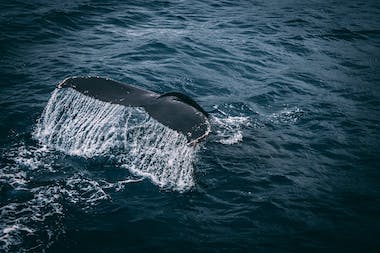
Some smart people are worried because the ocean is usually hottest in March, not August. They are scared the ocean might get even hotter by next March. The ocean takes in a lot of the heat from bad air. If we keep making this bad air, it will take a long time for the ocean to cool down again. This year, there have been many times when the water was too hot in places it shouldn't be.
Original news source: Ocean heat record broken, with grim implications for the planet (BBC)
📖 Vocabulary:
Group or Classroom Activities
Warm-up Activities:
– Charades
Instructions: Divide the class into small groups. Give each group a set of vocabulary cards related to the article (e.g. ocean, hot, air, fish, ice). One student from each group will act out a word without speaking, while the other group members try to guess the word. The group that guesses the most words correctly wins.
– Word Association
Instructions: Write the word "ocean" on the board. Ask students to brainstorm and write down as many words as they can think of that are related to the ocean. After a few minutes, have students share their words with the class. Encourage them to explain the connection between each word and the ocean.
– Vocabulary Pictionary
Instructions: Divide the class into pairs. Give each pair a set of vocabulary cards related to the article. One student from each pair will choose a card and draw a picture representing the word, while the other student tries to guess the word. After a few rounds, have students switch roles.
– Headline Creation
Instructions: Divide the class into small groups. Give each group a headline template, such as "Ocean Temperature Reaches Record High" or "Scientists Concerned About Rising Ocean Heat." In their groups, students have to come up with a headline related to the article. Encourage them to use vocabulary and phrases from the article in their headlines. Have each group share their headline with the class.
– Think-Pair-Share
Instructions: Ask students to think about and write down their opinion on the following question: "Do you think it is important to protect the ocean? Why or why not?" Pair students up and have them share their opinions with each other. Then, ask a few pairs to share their opinions with the class. Encourage students to use the vocabulary and ideas from the article in their discussions.
🤔 Comprehension Questions:
It's bad because hot water can make the earth hotter and can't take in as much bad air.
If warm water melts ice, it can change where fish live and mess up who eats what in the ocean.
They are worried because the ocean is usually hottest in March, not August. They think it might get even hotter next March.
When the ocean takes in a lot of heat, it can make the earth hotter and change the temperature of the water.
It's taking a long time for the ocean to cool down because we keep making bad air and it takes time for the ocean to get rid of the heat.
Possible answer: Yes, I remember when I went to the beach and the water was really hot. It was summer, so I expected it to be warm, but it was even hotter than usual.
When warm water changes where fish live, it can make some fish move to different places. This can make it harder for other fish to find food, and it can mess up the balance of who eats what in the ocean.
🎧✍️ Listen and Fill in the Gaps:
The ocean is than it has ever been before. This is bad because warm water can't take in as much bad air, which can the earth hotter. Also, warm water can ice and change where fish live. This can mess up who eats what in the ocean. Some smart are worried because the ocean is usually hottest in March, not August. They are scared the ocean might get even hotter by next March. The ocean takes in a lot of the heat from bad air. If we this bad air, it will take a long time for the ocean to down again. This , there have been many times when the water was too hot in places it shouldn't be.
💬 Discussion Questions:
1. What is the ocean?
2. How would you feel if the ocean got even hotter?
3. Do you like swimming in warm water? Why or why not?
4. What happens when warm water melts ice?
5. How do you think the ocean getting hotter can mess up who eats what in the ocean?
6. What do you think the smart people are worried about?
7. Do you think the ocean will get even hotter by next March? Why or why not?
8. Why do you think it takes a long time for the ocean to cool down?
9. Have you ever been in water that was too hot? How did it feel?
10. What do you think happens when the ocean takes in bad air?
11. Do you think it's important to take care of the ocean? Why or why not?
12. Have you ever seen fish in the ocean? What did they look like?
Individual Activities
📖💭 Vocabulary Meanings:
Click a dot next to a word, then click the dot next to its meaning to draw a line connecting them.
Words
Meanings
🔡 Multiple Choice Questions:
🕵️ True or False Questions:
📝 Write a Summary:
Write a summary of this news article in two sentences.
Check your writing now with the best free AI for English writing!