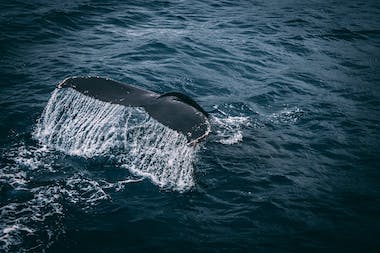
Scientists are worried because usually, the oceans are hottest in March, not August. A scientist named Dr. Samantha Burgess from Copernicus says this makes us wonder how much hotter the ocean will get between now and next March. The oceans take in most of the heat from gases that come from burning things like coal and oil, and the more we burn these, the longer it will take for the oceans to cool down again. This new record comes after a lot of unusually hot periods in the sea this year, in places like the UK, the North Atlantic, the Mediterranean, and the Gulf of Mexico.
In simple words, our oceans are getting hotter because of the gases we release when we burn things like coal and oil. This is bad for our planet and for the animals that live in the sea. Scientists are worried because the oceans are getting hotter at a time they usually don't, and they are afraid it might get even hotter in the future.
Original news source: Ocean heat record broken, with grim implications for the planet (BBC)
📖 Vocabulary:
Group or Classroom Activities
Warm-up Activities:
– News Summary
Instructions: Divide the students into pairs or small groups. Give each group a copy of the article. Have them read the article and work together to create a summary of the main points. Encourage them to use their own words and keep it concise.
– Vocabulary Pictionary
Instructions: Write down 10-15 vocabulary words from the article on separate pieces of paper or index cards. Divide the students into teams. One player from each team comes up and chooses a word. Without speaking, they must draw a picture to represent the word while their team tries to guess. The team that guesses correctly gets a point. Repeat with new players and words until all the vocabulary words have been used.
– Pros and Cons
Instructions: Divide the students into two groups. One group will discuss the pros of the oceans getting hotter, while the other group will discuss the cons. Give them a few minutes to brainstorm and then have each group take turns sharing their ideas. Encourage them to use reasons and examples to support their arguments.
– Keyword Taboo
Instructions: Write down 5-10 important keywords from the article on separate pieces of paper or index cards. Divide the students into pairs or small groups. Each group takes turns choosing a card and describing the keyword to their partner(s) without using the word itself. The partner(s) must guess the keyword based on the description.
– Future Predictions
Instructions: Have the students imagine they are scientists studying climate change. Ask them to write or discuss their predictions for what might happen to the oceans in the future if they continue to get hotter. Encourage them to think about the potential consequences for the environment, wildlife, and human life.
🤔 Comprehension Questions:
The group that studies climate change is called Copernicus.
It is bad for our planet when the oceans get hotter because warm water can't take in as much carbon dioxide, which means more of this gas that heats up our planet stays in the air. It can also make glaciers melt faster and change the lives of sea animals, which can mess up the food chain.
When the water is warm, it can't take in as much carbon dioxide. This means that more of the carbon dioxide stays in the air and contributes to the greenhouse effect, which heats up our planet.
Warm water can affect glaciers by making them melt faster. When glaciers melt, it can lead to rising sea levels, which can cause problems for coastal areas.
Warm water can affect sea animals by changing their habitats and food sources. Some sea animals may not be able to survive in warmer water, while others may have difficulty finding enough food.
Scientists are worried about the ocean temperatures in August because usually, the oceans are hottest in March, not August. This makes them wonder how much hotter the ocean will get between now and next March.
The oceans get hotter because of the gases we release when we burn things like coal and oil. These gases trap heat in the atmosphere, which in turn warms up the oceans.
🎧✍️ Listen and Fill in the Gaps:
The oceans are now hotter than ever before, even more than the last record in 2016, says a group that climate called Copernicus. The average temperature of the sea surface around the world was about 20.96C (69.73F), which is much hotter than usual for this time of year. This is bad for our because warm water can't take in as much carbon dioxide, which means more of this gas that heats up our planet stays in the air. Also, it can make glaciers melt faster and change the lives of sea animals, which can mess up the food chain. Scientists are worried because usually, the oceans are in , not August. A named Dr. Samantha Burgess from Copernicus says this makes us wonder how much hotter the will get between now and next March. The oceans take in most of the heat from gases that from burning things like coal and oil, and the more we burn these, the longer it will take for the oceans to cool down again. This new record comes after a lot of unusually hot periods in the sea this , in places like the UK, the North Atlantic, the Mediterranean, and the of Mexico. In simple words, our are hotter because of the gases we release when we burn things like coal and oil. This is bad for our planet and for the animals that live in the sea. Scientists are worried because the oceans are getting hotter at a time they usually don't, and they are afraid it might get even hotter in the future.
💬 Discussion Questions:
1. What does it mean if the oceans are hotter than usual?
2. How do you think warm water affects the amount of carbon dioxide in the air?
3. Do you think it's good or bad that warm water can make glaciers melt faster? Why or why not?
4. How do you think the lives of sea animals can be changed by hotter oceans?
5. Why are scientists worried about the oceans being hotter in August instead of March?
6. How do you think burning things like coal and oil can make the oceans hotter?
7. Do you think it's important to cool down the oceans? Why or why not?
8. How do you think hotter oceans can affect the planet?
9. How would you feel if you lived near the ocean and it was getting hotter?
10. Do you like swimming in warm water? Why or why not?
11. Do you think it's fair that sea animals have to suffer because of hotter oceans? Why or why not?
12. What can we do to help make the oceans cooler?
Individual Activities
📖💭 Vocabulary Meanings:
Click a dot next to a word, then click the dot next to its meaning to draw a line connecting them.
Words
Meanings
🔡 Multiple Choice Questions:
🕵️ True or False Questions:
📝 Write a Summary:
Write a summary of this news article in two sentences.
Check your writing now with the best free AI for English writing!