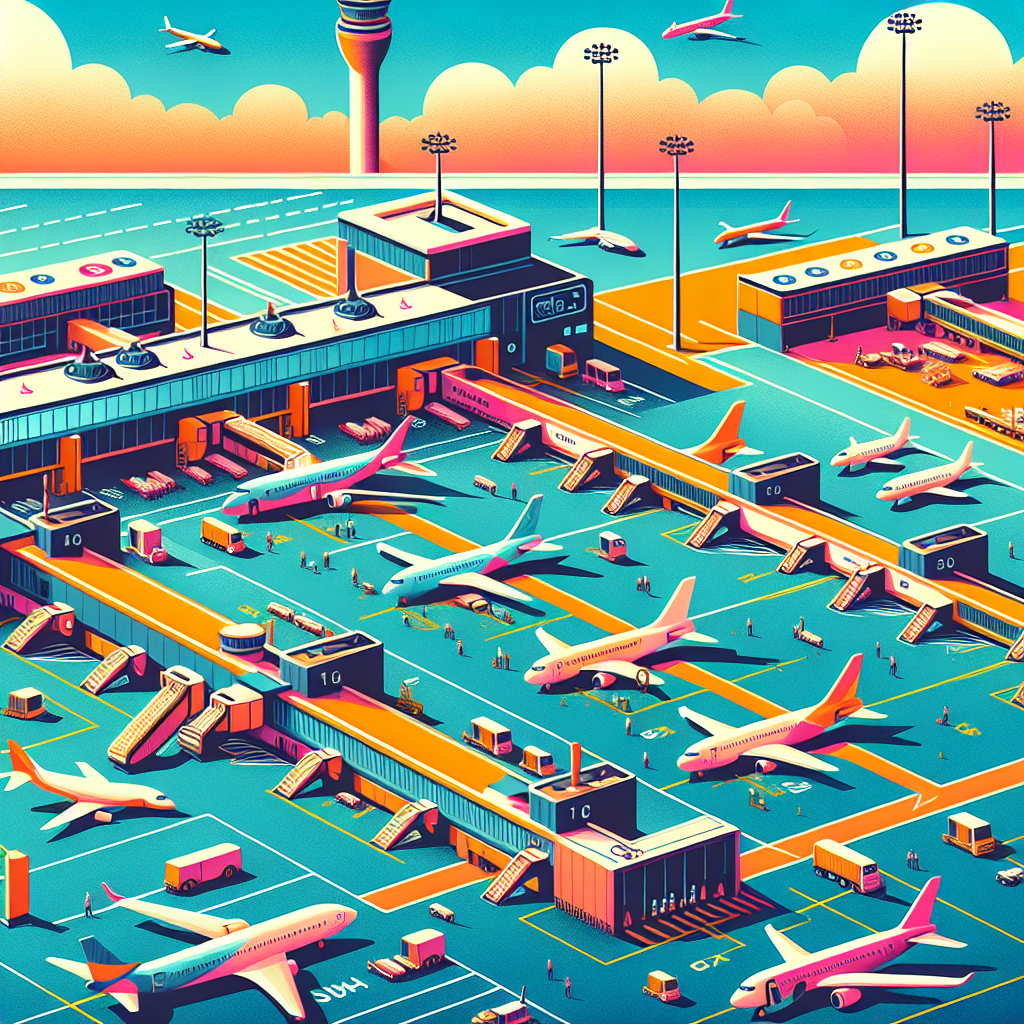
Efficient Gate Allocation in Airports: Innovations and Benefits
Efficient gate allocation is crucial for airlines to reduce taxi times, congestion, and emissions.



Efficient gate allocation is crucial for airlines to reduce taxi times, congestion, and emissions.

Severe air pollution is obscuring the majestic Himalayas, threatening tourism and local livelihoods in Nepal.

Personalized cancer vaccine significantly reduces recurrence risk in clinical trials.

Hollywood actors are being advised to choose Halloween costumes that do not promote content made by studios they are in dispute with due to the ongoing strike.

Transatlantic flight powered by alternative fuels takes off, highlighting the potential for greener aviation.

Comedians explore AI for joke writing, blending human creativity with technology for innovative shows.

UK government plans to create a new national park in England, but concerns arise over funding for existing parks.

Charlie Munger, trusted confidante of Warren Buffett, passes away at 99, leaving a lasting legacy in the investment community.
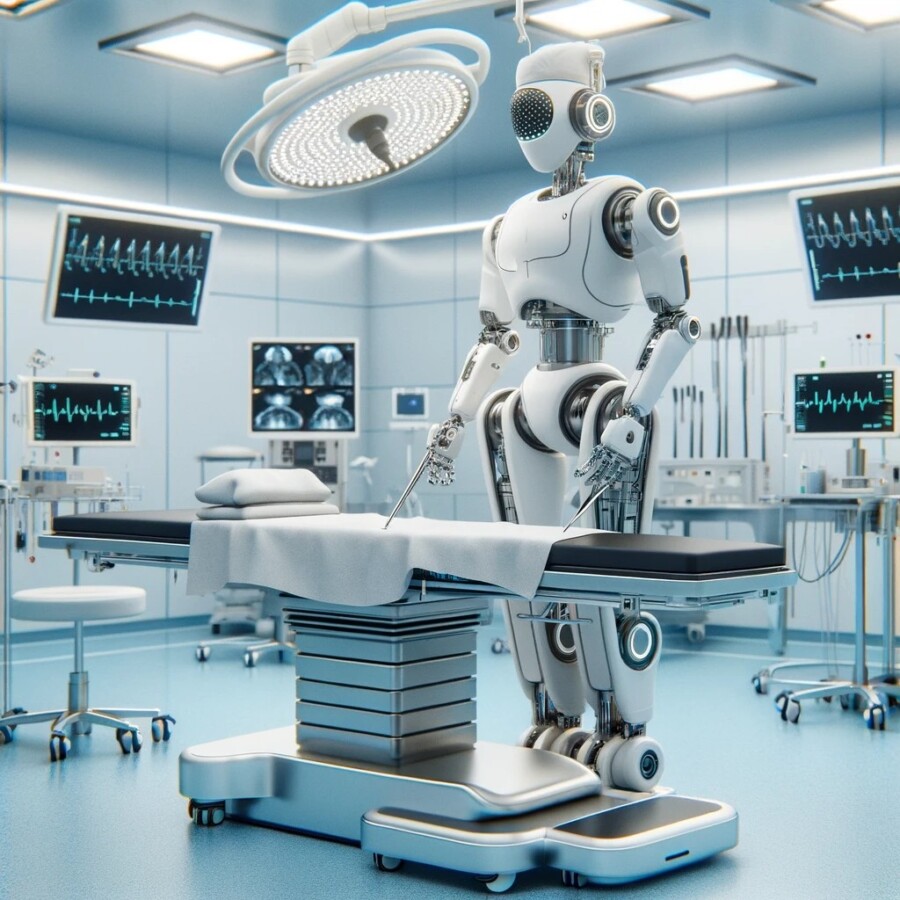
Luton and Dunstable Hospital in the UK is using the da Vinci Xi robot to speed up weight loss surgeries and reduce waiting times.

Groundbreaking neuroscience discovery: Fly’s brain mapping offers insights into thought mechanisms and human brain function.

Indo-Chinese cuisine, a fusion of Indian and Chinese flavors, is gaining popularity in the US, attracting both Indian immigrants and adventurous Americans with its bold flavors and creative incorporation of Chinese techniques.
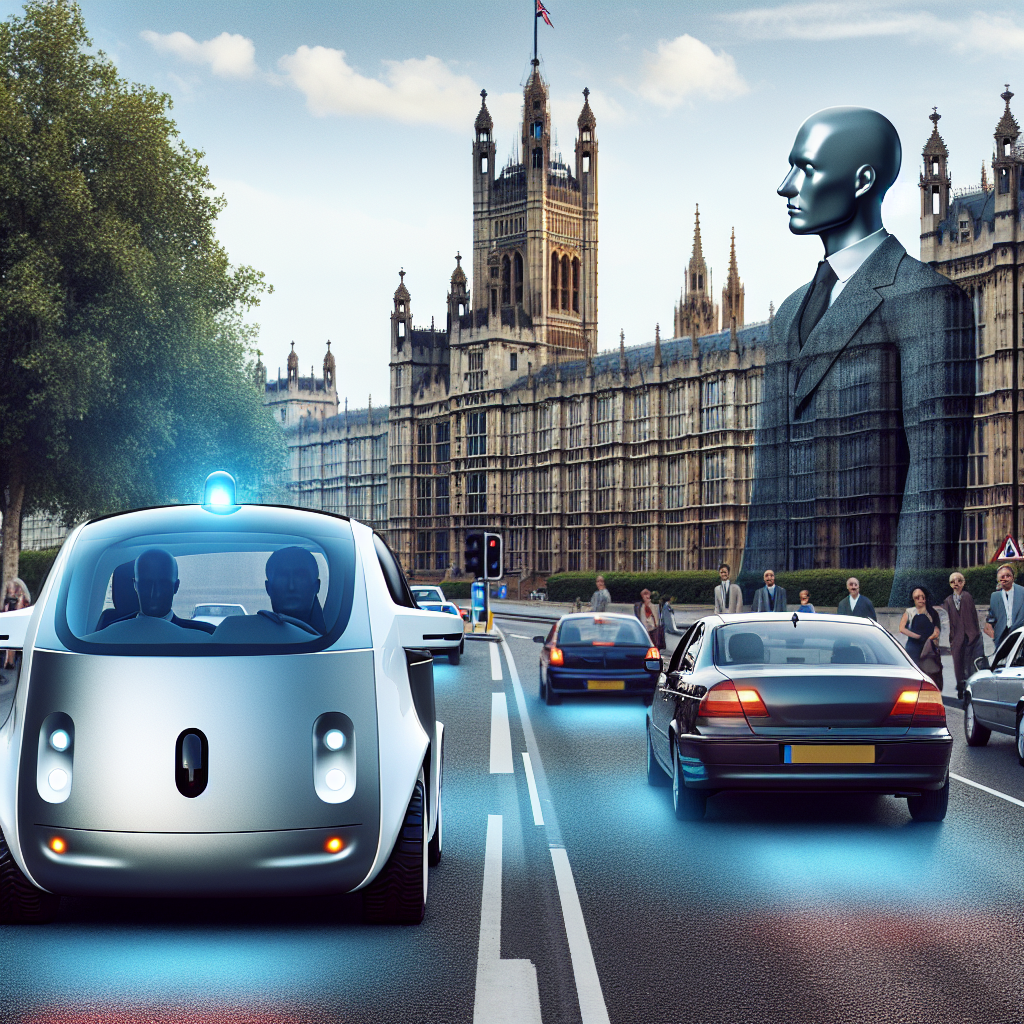
Driverless cars could be on UK roads by the end of 2026, according to the UK transport secretary, Mark Harper, who emphasized the importance of a proper safety regime and people’s confidence in the technology.
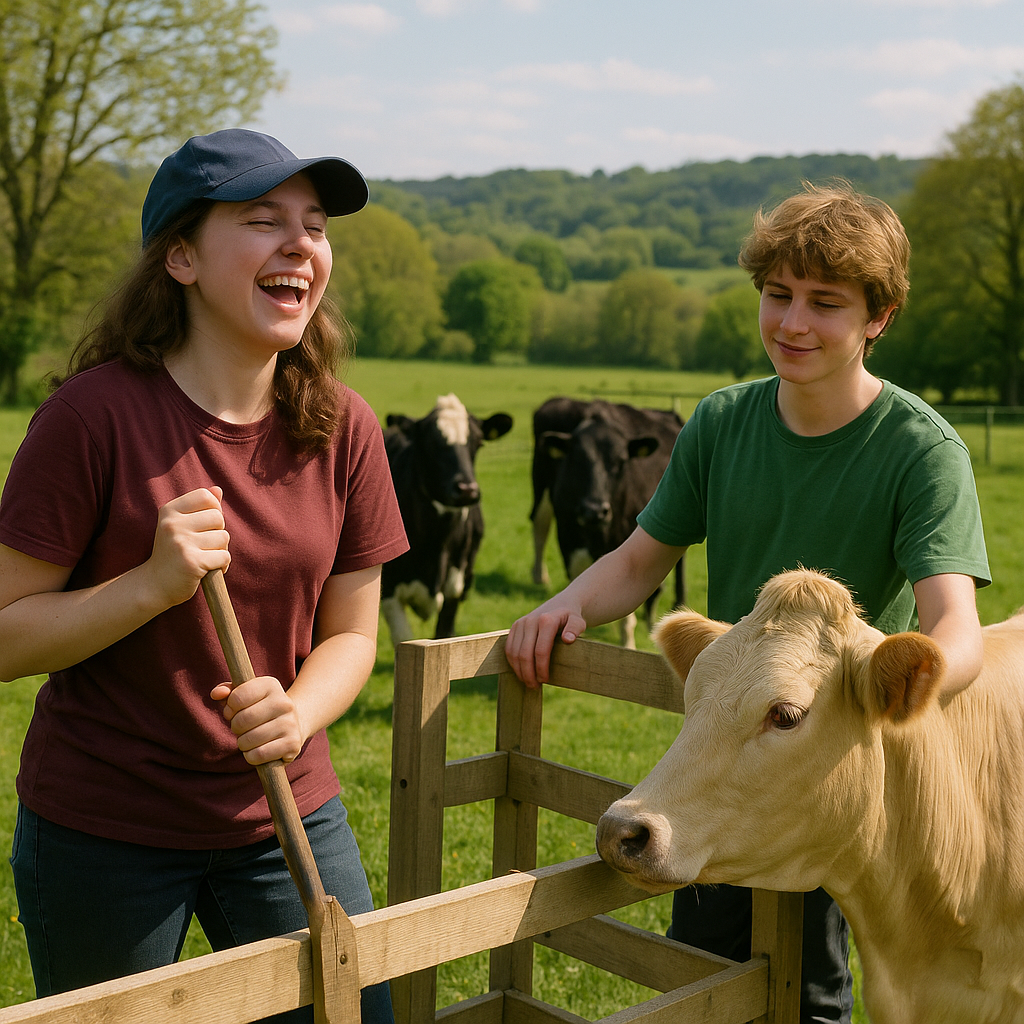
The Care Farm project empowers youth by enhancing mental health through engaging, hands-on farming experiences.
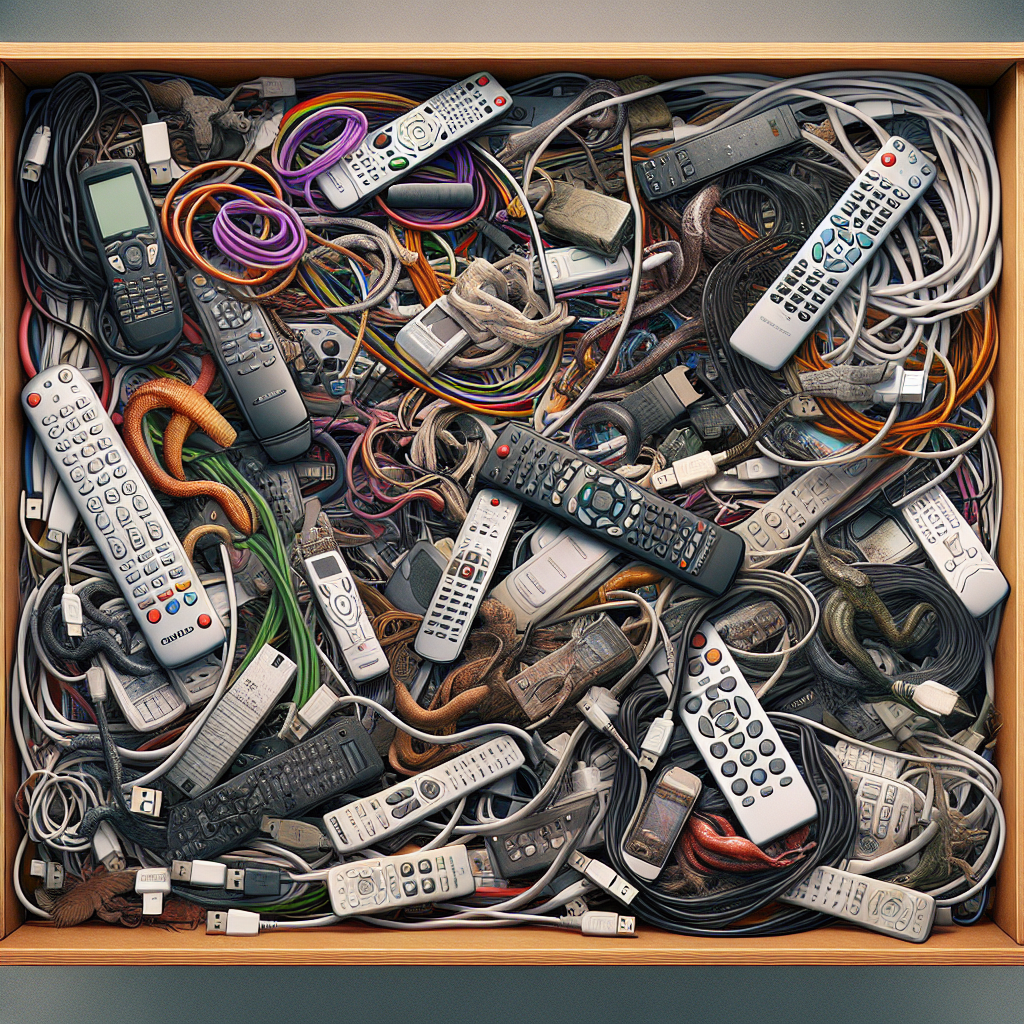
Households in the UK are hoarding unused electricals and broken tech, with over 880 million items estimated to be held in homes, prompting calls for increased recycling and reducing electronic waste.

Seagulls are being driven into urban areas due to the loss of natural spaces, and scientists are urging people to learn to coexist with them.