

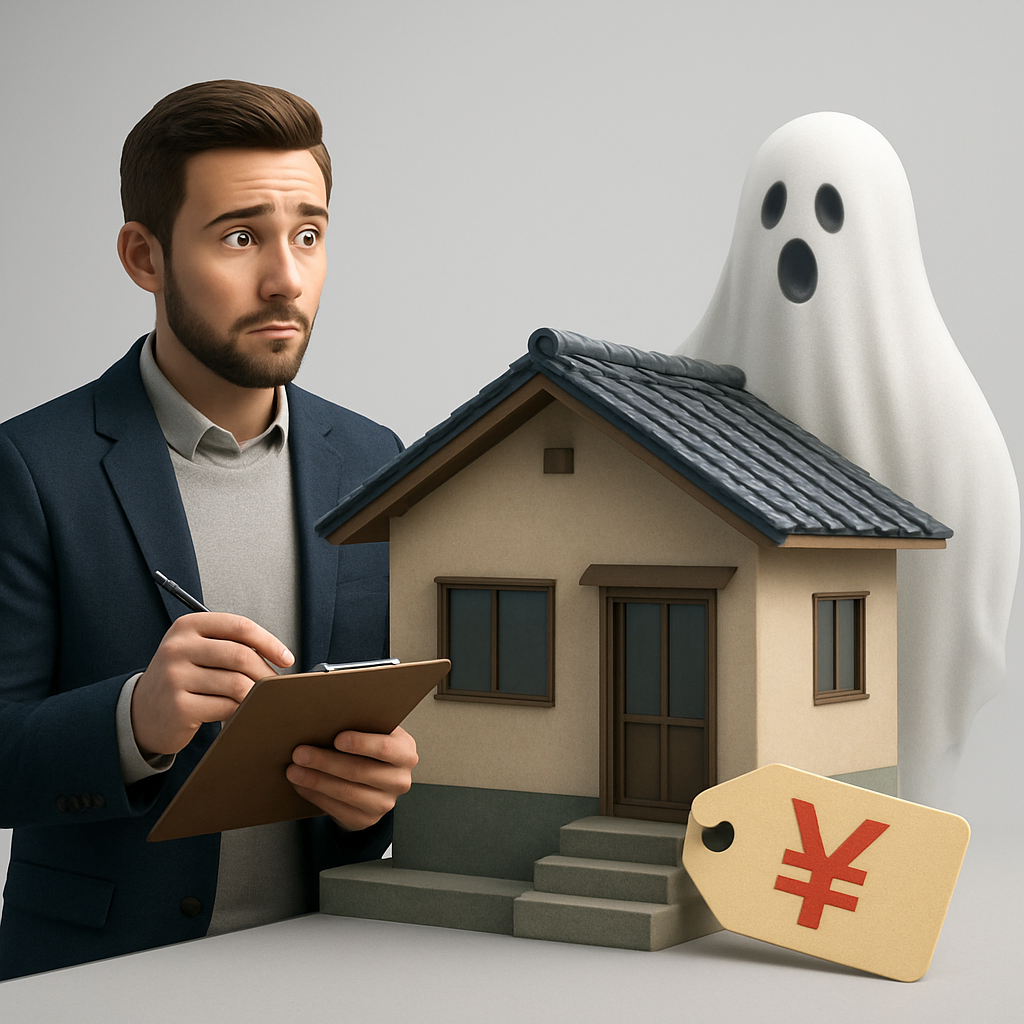
In Tokyo, Ryua, who works as a young entertainer, resides in an apartment she shares with a ghost. Her encounter with the supernatural began as she viewed the property when she noticed a man glaring at her, visible only to her. Understanding it was a spirit, she embraced the situation by viewing it as a unique living arrangement.
Japan's cultural landscape includes strong beliefs in yuurei, or restless spirits, often linked to properties marked by tragedy. These homes, termed "jiko bukken," attract buyers and renters with significant discounts. Ryua's apartment, tainted by a previous tenant's suicide, came with a 30% rent reduction, highlighting the economic upside for those unfazed by the spectral resident.
Moreover, the necessity to disclose tragic pasts in property dealings, as mandated by law, facilitates transparency for potential occupants. However, cultural superstitions deter many Japanese individuals from purchasing such properties, fearing ghostly presence can negatively affect inhabitants.
The juxtaposition of traditional beliefs and modern economic pressures is evident as rising living costs drive interest in stigmatized real estate. Online platforms dedicated to cataloging jiko bukken provide valuable resources to would-be buyers undaunted by these chilling histories, enabling them to secure affordable housing without the cultural stigma.
For Ryua, her ghostly roommate has become a minor footnote in her unusual housing choice, proving advantageous in a competitive market. Her experience underscores the broader societal shift where financial practicality at times eclipses centuries-old superstitions within Japan's real estate sector.
Original news source: 'I live with a ghost' – inside the haunted homes attracting bargain hunters – BBC News (BBC)
🎧 Listen:
📖 Vocabulary:
Group or Classroom Activities
Warm-up Activities:
1. Discuss your beliefs in the supernatural.
2. Share a story you've heard about ghosts.
3. Have you ever experienced a ghostly encounter?
4. Are there any cultural superstitions in your country?
5. Would you live in a haunted house if the rent was cheap?
🤔 Comprehension Questions:
Ryua is a young entertainer living in Tokyo who shares her apartment with a ghost.
People are attracted to jiko bukken properties because they often come with significant rent or purchase discounts due to their history.
Ryua's apartment came with a rent reduction because the previous tenant had died by suicide, marking it as a jiko bukken.
Japanese law mandates the disclosure of a property's tragic past, ensuring potential buyers or renters are informed.
Cultural superstitions deter many people from residing in properties believed to be haunted or otherwise stigmatized.
Economic pressures, like rising living costs, have increased interest in affordable stigmatized properties as a practical choice.
Online platforms catalog jiko bukken, making it easier for interested buyers to find and consider purchasing or renting these properties.
🎧✍️ Listen and Fill in the Gaps:
In , Ryua, who works as a young entertainer, resides in an apartment she shares with a ghost. Her encounter with the supernatural as she viewed the property when she a man glaring at her, visible only to her. Understanding it was a spirit, she embraced the situation by viewing it as a unique living . Japan's cultural landscape includes strong beliefs in , or restless spirits, often linked to properties marked by tragedy. These homes, termed "jiko bukken," attract and renters with significant discounts. Ryua's apartment, tainted by a tenant's suicide, came with a 30% rent reduction, highlighting the economic upside for those by the spectral resident. Moreover, the necessity to disclose tragic pasts in property dealings, as mandated by law, facilitates transparency for potential occupants. However, cultural superstitions many Japanese individuals from purchasing such properties, ghostly presence can negatively affect . The juxtaposition of traditional beliefs and modern economic pressures is evident as rising living costs drive interest in stigmatized real estate. platforms dedicated to cataloging jiko bukken provide valuable resources to buyers undaunted by these chilling histories, enabling them to secure affordable housing the cultural stigma. For Ryua, her ghostly roommate has become a minor footnote in her unusual housing choice, advantageous in a competitive market. Her underscores the broader societal shift where financial practicality at times eclipses centuries-old superstitions within Japan's real estate sector.
💬 Discussion Questions:
1. What is your opinion on living in a jiko bukken?
2. How do cultural beliefs influence your decisions?
3. Have economic factors ever made you reconsider your stance on a superstition?
4. Would you disclose a paranormal encounter to a future tenant?
5. What impact do you think superstitions have on real estate prices?
6. How do you feel about laws mandating disclosure of a property's past?
7. Are there common superstitions in your culture about homes?
8. Do you think online platforms have changed how we view stigmatized property?
9. Would you be interested in purchasing a listed jiko bukken?
10. How do you think society balances tradition with modern pressures?
11. What are some pros and cons of living in a discounted property?
12. Do you know any local stories about famous haunted locations?
Individual Activities
📖💭 Vocabulary Meanings:
Click a dot next to a word, then click the dot next to its meaning to draw a line connecting them.