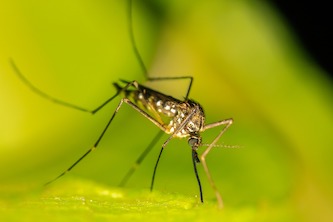
The vaccine, named Ixchiq, has been approved for individuals aged 18 and above who are at high risk of contracting the disease. It was developed by Europe's Valneva and will be administered in a single shot. According to senior FDA official Peter Marks, chikungunya virus infection can lead to severe disease and prolonged health problems, particularly for older adults and individuals with underlying medical conditions. Since 2008, at least five million chikungunya cases have been reported, with symptoms including rashes, headaches, and muscle pain. Joint pains can persist for months or even years.
People in tropical and subtropical regions of Africa, Southeast Asia, and parts of the Americas are at the highest risk of infection due to the endemic nature of mosquitos carrying the chikungunya virus in these areas. However, the FDA noted that the virus has spread to new geographical areas, leading to a rise in the global prevalence of the disease. Brazil has reported the highest number of cases so far this year, with 218,613, while India has reported over 93,000 cases, including a large outbreak in the capital, Delhi, in 2016.
Original news source: Chikungunya vaccine: US approves first shot against mosquito-borne virus (BBC)
📖 Vocabulary:
Group or Classroom Activities
Warm-up Activities:
– News Summary
Instructions: Pair up students and ask them to take turns summarizing the article to each other, focusing on the key points such as what chikungunya is, the recent FDA approval of the vaccine, and the statistics on the disease's prevalence. Each student should summarize in under two minutes, then receive feedback from their partner on clarity and completeness.
– Opinion Poll
Instructions: Create a list of statements about the approval of the new vaccine and its potential impact on global health. Students walk around the room and poll their classmates on whether they agree or disagree with each statement. After polling, discuss the results as a class and encourage students to explain their opinions.
– Keyword Taboo
Instructions: Write keywords from the article (e.g., vaccine, chikungunya, FDA, mosquito, Valneva, Ixchiq) on cards. Students work in teams to describe the words to their team members without using the taboo words listed on the card. The team with the most correctly guessed words wins.
– Synonym Challenge
Instructions: Select a set of words from the article (e.g., accelerate, fatal, specific, severe, prolonged, endemic) and challenge students to come up with synonyms for each word without repeating any. This can be done in small groups or as a whole class activity, with students raising their hands to contribute.
– Future Predictions
Instructions: Have students write a short paragraph predicting the future impact of the Ixchiq vaccine on global health. They should consider factors like accessibility, effectiveness, and the response in regions with high rates of chikungunya. After writing, students can share their predictions with the class and discuss the various viewpoints.
🤔 Comprehension Questions:
The world's first vaccine approved by the FDA targets chikungunya.
Symptoms caused by chikungunya include fever, joint pains, rashes, headaches, and muscle pain. Joint pains can persist for months or even years.
As of September this year, approximately 440,000 cases of chikungunya, including 350 deaths, have been reported.
The name of the vaccine that has been approved for chikungunya is Ixchiq.
The Ixchiq vaccine is approved for individuals aged 18 and above.
The Ixchiq vaccine was developed by Europe's Valneva.
People in tropical and subtropical regions of Africa, Southeast Asia, and parts of the Americas are at the highest risk of contracting chikungunya.
Brazil and India have reported the highest number of chikungunya cases this year, with Brazil reporting 218,613 cases and India reporting over 93,000 cases.
🎧✍️ Listen and Fill in the Gaps:
The US Food and Drug Administration has recently approved the world's first vaccine for chikungunya, a transmitted by mosquitoes. Chikungunya fever and joint pains and can be to newborns. The FDA's approval is expected to accelerate the vaccine's global distribution. This year, approximately 440,000 cases of chikungunya, including 350 deaths, have been reported as of . Currently, there is no specific drug to treat chikungunya, and America and South Asia have seen the highest number of this year. The , named Ixchiq, has been approved for individuals aged 18 and above who are at high risk of contracting the disease. It was developed by Europe's Valneva and will be administered in a single shot. to senior FDA official Peter Marks, chikungunya virus infection can lead to severe disease and prolonged health problems, particularly for older adults and individuals with medical conditions. Since 2008, at least five million chikungunya cases have been reported, with including rashes, , and muscle pain. pains can persist for months or even years. People in tropical and subtropical regions of Africa, Southeast Asia, and parts of the Americas are at the highest risk of infection due to the endemic of mosquitos carrying the chikungunya virus in these areas. However, the FDA noted that the virus has spread to new geographical areas, to a rise in the prevalence of the disease. Brazil has reported the highest number of cases so far this year, with 218,613, while India has reported over 93,000 cases, including a large outbreak in the capital, , in 2016.
💬 Discussion Questions:
1. What is your understanding of the term "endemic" as it relates to diseases?
2. How would you feel if a vaccine for a disease prevalent in your region was finally approved?
3. Do you think vaccines are the best way to combat mosquito-borne diseases? Why or why not?
4. Have you or someone you know ever been affected by a mosquito-borne illness? What was the experience like?
5. What measures do you take to protect yourself from mosquito bites and why?
6. Do you believe that vaccines should be mandatory for those traveling to high-risk areas? Why or why not?
7. How do you think the approval of a new vaccine like Ixchiq affects global health?
8. What is your opinion on the age restriction (18 and above) for the chikungunya vaccine?
9. How do you feel about the fact that there is no specific drug to treat chikungunya?
10. In your opinion, what are the ethical considerations of distributing vaccines to countries with the highest number of cases?
11. Do you think climate change could be contributing to the spread of tropical diseases like chikungunya? Why or why not?
12. What is your stance on the importance of global cooperation in disease prevention and control?
13. How would you react to a large outbreak of a disease like chikungunya in your city?
14. Do you like the idea of a single-shot vaccine, or do you think a multiple-dose vaccine is more effective? Why?
15. Do you think that the approval of the chikungunya vaccine will lead to complacency in mosquito control efforts? Why or why not?
Individual Activities
📖💭 Vocabulary Meanings:
Click a dot next to a word, then click the dot next to its meaning to draw a line connecting them.
Words
Meanings
🔡 Multiple Choice Questions:
🕵️ True or False Questions:
📝 Write a Summary:
Write a summary of this news article in two sentences.
Check your writing now with the best free AI for English writing!