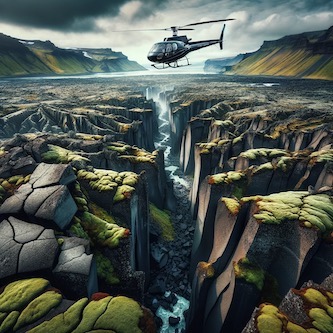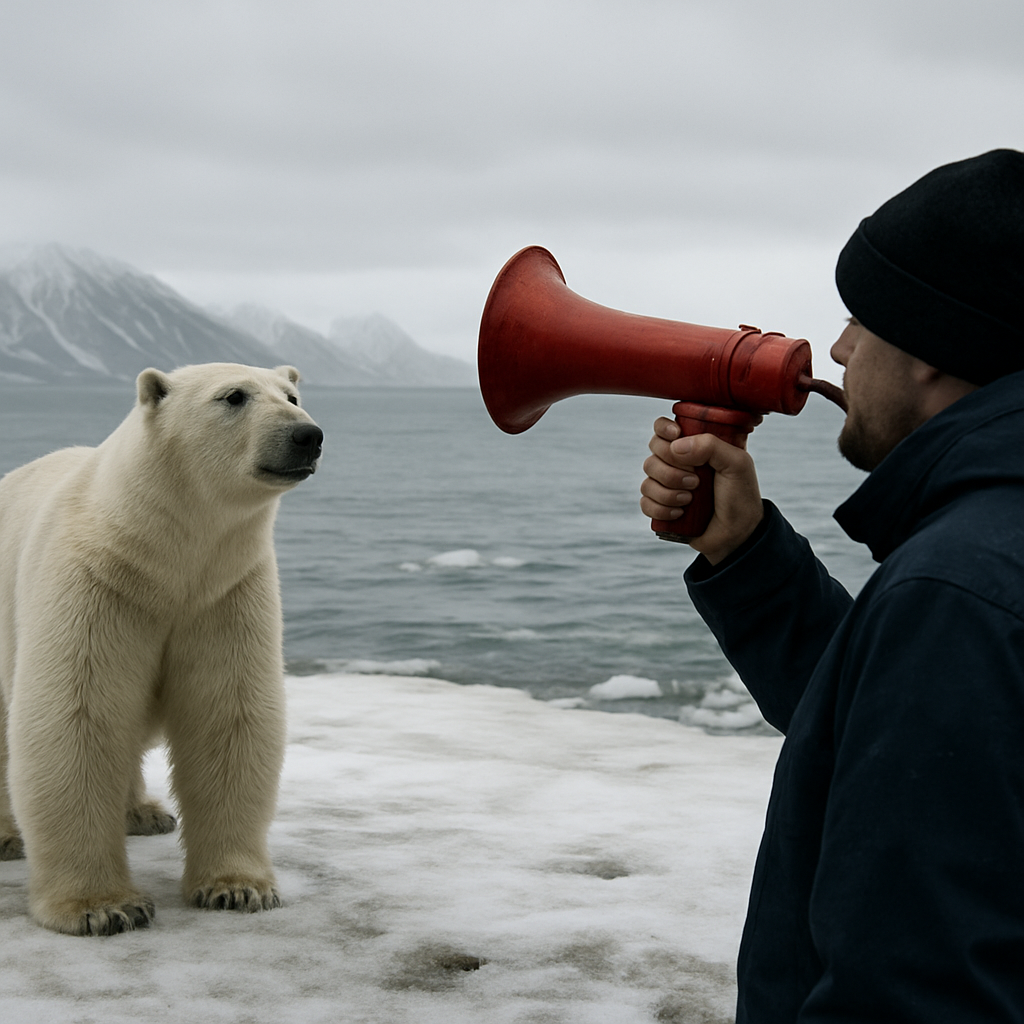
In the remote Svalbard archipelago of Norway, a person has been penalized for using a foghorn to disturb a sleeping polar bear. This incident, which occurred earlier in the month, resulted in a fine of 50,000 kroner, as confirmed by the governor of the territory. The action took place aboard a vessel navigating a fjord approximately 1,000 kilometers from the North Pole. Under the regional regulations, disturbing polar bears without cause is strictly prohibited under the Svalbard Environment Act.
The act protects various wildlife, including polar bears, which have been safeguarded since 1972. Svalbard is home to a remarkable ecological diversity, with an estimated 250 polar bears counted during the last scientific survey in 2015. Contrary to the rules of engagement, the act of using the foghorn was deemed unnecessary and resulted in the bear relocating to a different area.
Governor Lars Fause emphasized the importance of respecting wildlife in Svalbard's protected zones. The island's fragile ecosystem requires delicate management to prevent unnecessary disruption to its inhabitants. Violations of these protections are taken seriously, as demonstrated by the penalties imposed.
The individual responsible for the foghorn incident accepted the fine, acknowledging the error of their actions. Previously, similar fines have been imposed, such as in 2024 when a tourist was fined for approaching a walrus too closely. These regulations highlight Svalbard's commitment to conserving its unique natural heritage.
Continuous awareness and stringent enforcement of these protective measures are essential to maintaining the delicate balance between human activity and wildlife preservation in this extraordinary Arctic region.
Original news source: Person fined for using foghorn to wake sleeping polar bear – BBC News (BBC)
🎧 Listen:
📖 Vocabulary:
Group or Classroom Activities
Warm-up Activities:
1. Discuss what you know about the Arctic region and its wildlife.
2. Share an experience where you had to respect wildlife or nature.
3. Imagine you are a governor of a protected area; what rules would you enforce?
4. Describe how human activity can impact fragile ecosystems.
5. Debate the pros and cons of tourism in sensitive natural areas.
🤔 Comprehension Questions:
It occurred in the Svalbard archipelago of Norway.
The fine was 50,000 kroner.
They are protected under the Svalbard Environment Act.
Governor Lars Fause emphasized this importance.
It prohibits disturbing polar bears without cause.
An estimated 250 polar bears were counted.
The balance between human activity and wildlife preservation is essential.
🎧✍️ Listen and Fill in the Gaps:
In the remote Svalbard archipelago of Norway, a person has been penalized for using a foghorn to disturb a sleeping polar bear. This incident, which occurred earlier in the month, resulted in a fine of 50,000 , as confirmed by the governor of the territory. The action took place aboard a navigating a approximately 1,000 from the North Pole. Under the regional regulations, disturbing polar without cause is strictly prohibited under the Svalbard Environment Act. The act various wildlife, including polar bears, which have been safeguarded since 1972. Svalbard is home to a remarkable ecological diversity, with an estimated 250 polar bears during the last scientific in 2015. Contrary to the rules of engagement, the act of using the foghorn was deemed unnecessary and resulted in the bear relocating to a different area. Governor Lars Fause emphasized the importance of respecting wildlife in protected zones. The island's fragile ecosystem delicate to prevent unnecessary disruption to its inhabitants. Violations of these protections are taken seriously, as demonstrated by the imposed. The individual responsible for the foghorn incident accepted the fine, acknowledging the error of their actions. Previously, similar fines have been imposed, such as in 2024 when a tourist was fined for approaching a walrus too closely. These Svalbard's commitment to conserving its unique . Continuous awareness and stringent enforcement of these protective measures are essential to maintaining the delicate balance between human activity and wildlife preservation in this extraordinary Arctic region.
💬 Discussion Questions:
1. What challenges do authorities face in protecting wildlife in remote regions like Svalbard?
2. How can technology aid in wildlife conservation efforts?
3. Why is it important to maintain ecological diversity in regions like Svalbard?
4. Discuss the ethical considerations of imposing fines for wildlife disturbances.
5. What role do local communities play in safeguarding natural heritage?
6. Share your opinion on the balance between tourism and ecological preservation in the Arctic.
7. How can international cooperation improve conservation strategies in the Arctic?
8. Compare wildlife protection laws in different countries. What are their strengths and weaknesses?
9. Describe a time you learned about conservation efforts in a documentary or book.
10. How do climate changes impact polar bear habitats, and what can be done to mitigate these effects?
11. What are some innovative approaches to ensure human activity does not disrupt wildlife?
12. Discuss the potential consequences of ignoring environmental regulations in protected zones.
Individual Activities
📖💭 Vocabulary Meanings:
Click a dot next to a word, then click the dot next to its meaning to draw a line connecting them.