
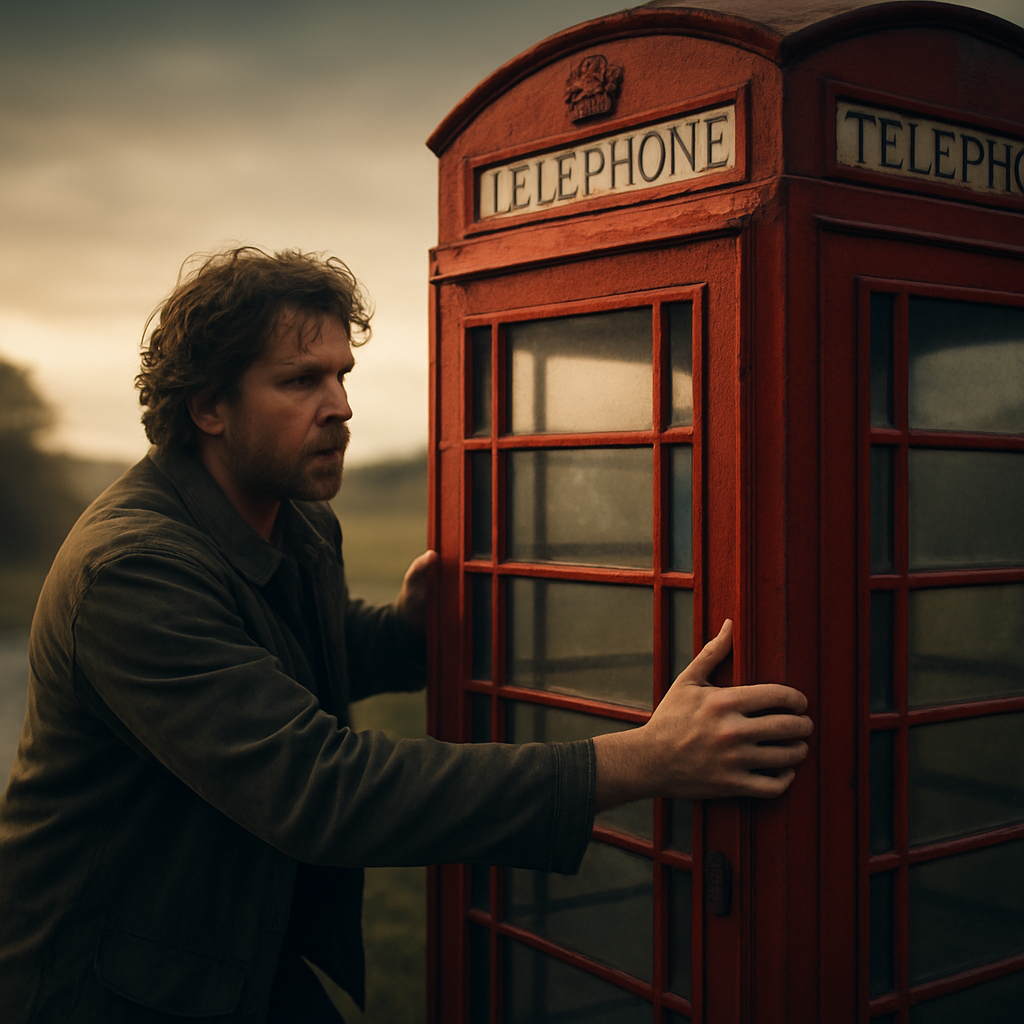
Artist and photographer William Arnold embarked on an odyssey from Cornwall to the Isle of Lewis, covering 1,700 miles to preserve a distinctive double-door phone box. In an era where technology evolves rapidly, William's journey was more than just an act of homage to bygone communication tools; it was a calculated effort to comply with Ofcom's regulation requiring a minimum of 52 annual calls to keep the payphone operational. For rural communities on the Isle, where mobile signals can be intermittent, maintaining such phone boxes is crucial for safety and communication.
William's affinity for these phone boxes began unexpectedly during a previous expedition to the island for a photographic project. Encountering an unexpectedly pristine yet non-working phone booth piqued his interest and concern, realizing the consequential void left if such facilities were discontinued. The experience propelled him into a more profound exploration of these structures as essential community resources rather than mere retro artifacts.
The phone kiosk in Einacleit is singular, believed to be the last functional double-door type in the UK, specifically adapted to battle the fierce island gales. William meticulously planned his undertaking, armed with approximately £36 in small change, with 52 calls made to supporters of his crowdfunded effort as a testament to the feasibility and importance of retaining such infrastructure. Each call served not only as a lifeline to the device's continued existence but also as a reaffirmation of the communal and practical utility of these structures.
Despite facing inclement weather conditions and the arduous task of making calls, William's commitment underscored a broader narrative about the preservation of public infrastructure. From cold feet to raging winds threatening to drown out conversations, the challenges mirrored the adversities faced by rural communities relying on these phone boxes. His dedication exudes a poignant reminder that while digital advances burgeon, smaller communities cling to valuable vestiges of such technological lifelines amidst technological progress.
As BT continues its downsizing of public payphones across the UK to redirect resources towards burgeoning digital infrastructures, William's project brings to light the delicate balance between progress and heritage. His interaction with legislative and local entities aims not only at safeguarding these remnants of the past but also at highlighting their unyielded relevance. The journey portrays a fascinating juxtaposition of nostalgia against modernity, echoing the necessity to retain the tangible roots of communication in an increasingly intangible world.
Original news source: Man makes 1,700-mile round journey to save rare phone box on Scottish island – BBC News (BBC)
🎧 Listen:
📖 Vocabulary:
Group or Classroom Activities
Warm-up Activities:
1. Discuss any communication technology you find fascinating and why.
2. Share your experiences with using payphones and how you felt about them.
3. How do you stay connected with friends and family in areas with poor mobile signals?
4. Predict how communication might evolve in the next 10 years.
5. Talk about any recent journey you've undertaken for a specific purpose.
🤔 Comprehension Questions:
His motivation was to preserve a distinctive double-door phone box and ensure it met Ofcom's requirements to remain operational.
They are crucial for safety and communication, especially since mobile signals can be unreliable.
It began during a photographic expedition to the Isle, where he encountered a pristine yet non-working phone booth.
It is believed to be the last functional double-door type in the UK, specifically adapted for island conditions.
He faced inclement weather and the difficult task of making consecutive calls.
It highlights the need to balance technological progress with the preservation of public infrastructure.
BT plans to downsize them across the UK to focus on digital infrastructure.
🎧✍️ Listen and Fill in the Gaps:
Artist and photographer William Arnold embarked on an odyssey from Cornwall to the Isle of Lewis, covering 1,700 miles to preserve a distinctive double-door phone box. In an era where technology evolves rapidly, William's journey was more than just an act of homage to bygone tools; it was a calculated to comply with Ofcom's regulation a minimum of 52 annual calls to keep the payphone . For rural communities on the Isle, where mobile signals can be intermittent, maintaining such phone boxes is crucial for safety and communication. William's affinity for these phone boxes began unexpectedly during a previous expedition to the island for a photographic project. an unexpectedly pristine yet non-working phone booth piqued his interest and , realizing the consequential void left if such facilities were discontinued. The him into a more profound exploration of these structures as essential community resources rather than mere retro artifacts. The phone kiosk in Einacleit is singular, believed to be the last functional double-door type in the UK, specifically adapted to battle the fierce island gales. William meticulously planned his undertaking, armed with approximately £36 in small change, with 52 calls made to supporters of his crowdfunded effort as a testament to the feasibility and importance of retaining such infrastructure. Each call served not only as a lifeline to the device's continued existence but also as a reaffirmation of the and utility of these structures. Despite facing weather conditions and the arduous task of making calls, William's commitment underscored a broader narrative about the preservation of public infrastructure. From cold feet to raging winds threatening to drown out conversations, the mirrored the adversities faced by rural communities relying on these phone boxes. His dedication exudes a poignant reminder that while digital advances burgeon, smaller communities cling to valuable vestiges of such technological lifelines technological progress. As BT continues its downsizing of public payphones across the UK to redirect resources towards burgeoning digital infrastructures, William's project brings to the balance between progress and . His interaction with legislative and local entities aims not only at safeguarding these remnants of the past but also at highlighting their unyielded relevance. The journey portrays a fascinating juxtaposition of nostalgia against modernity, echoing the necessity to retain the tangible roots of communication in an increasingly intangible world.
💬 Discussion Questions:
1. Why might it be important to preserve public payphones in rural areas?
2. What are the benefits and drawbacks of rapidly advancing technology?
3. How do you balance nostalgia with the need for modern technology in your life?
4. Have you ever felt strongly about preserving an old technology or tradition, and why?
5. What role does public infrastructure play in small communities?
6. How does mobile signal reliability affect people's daily lives in rural areas?
7. Do you think digital infrastructure should completely replace older technologies, and why?
8. How do you perceive the relationship between progress and conservation of heritage?
9. Are there any historical pieces of technology you think should make a comeback?
10. In what ways can community projects impact local societies?
11. How do legislative regulations impact technological developments?
12. Discuss the influence of crowdfunding on creative and community projects.
Individual Activities
📖💭 Vocabulary Meanings:
Click a dot next to a word, then click the dot next to its meaning to draw a line connecting them.