


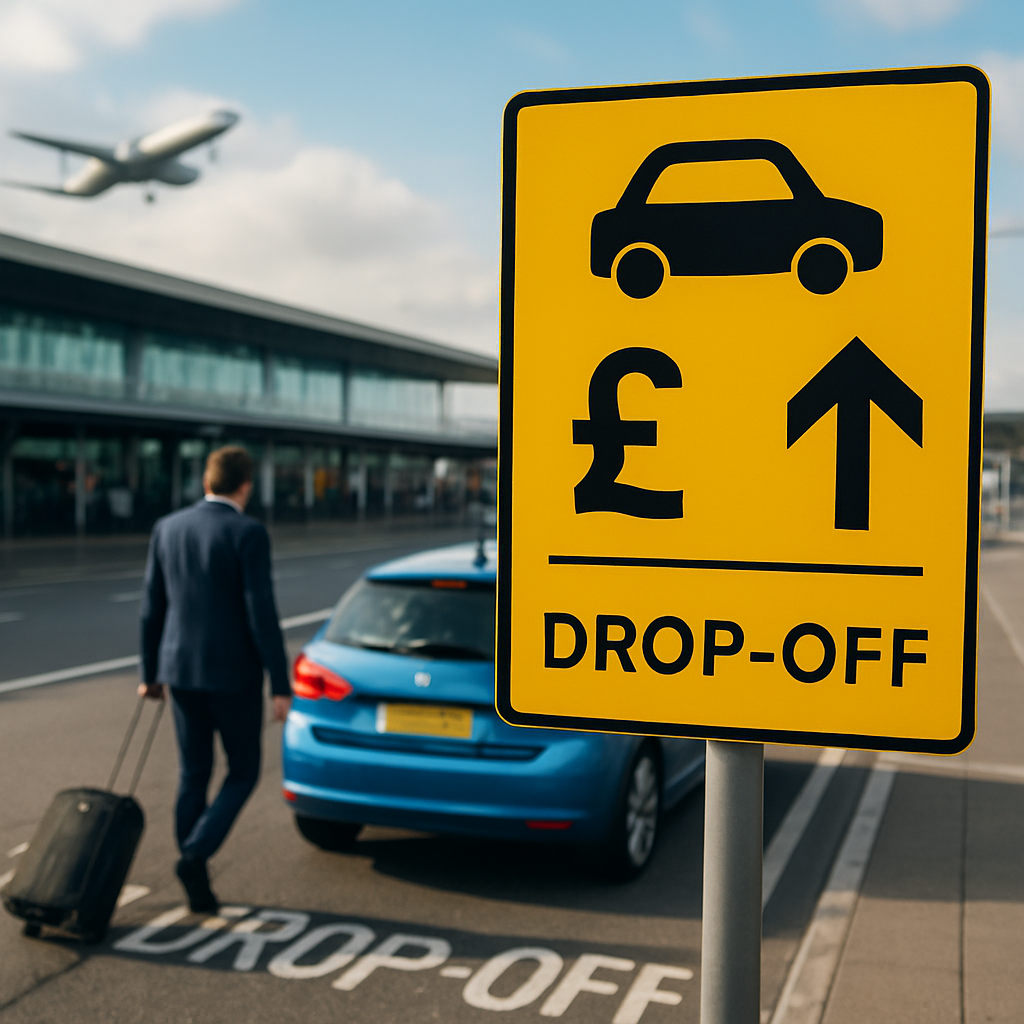
Recently, the UK government has observed significant increases in airport drop-off charges, prompting a review of current policies. This average rise of about 33% since summer 2025 has led to widespread dissatisfaction, especially in airports like Gatwick and Stansted where fees increased from £7 to £10. Such developments, highlighted by the RAC's study, have motivated the Department for Transport to strive for accessible and equitable air travel. The RAC's findings show that 80% of drivers perceive these charges as exploitative, as exemplified by airports such as London City, which charges £8 for a short five-minute stay. The review aims to address pricing fairness by urging airports to adjust fees carefully, particularly in areas lacking sufficient public transit options. Proponents argue that these charges help reduce traffic and emissions, promoting greener transport. They point out that privately held UK airports face different pressures compared to state-supported European counterparts, adding layers to the debate. Karen Dee of Airports UK notes the various transit solutions offered by UK airports, such as free drop-off choices, and highlights the financial constraints faced by privately owned airports. While environmental benefits are part of the rationale, the goal remains a fair assessment aligning with public and ecological interests. This examination aligns with wider governmental efforts to ease travel costs amidst rising living expenses. Recent eliminations of some airline fees for families underscore the commitment to alleviating financial burdens, ensuring that essential travel services remain accessible to all as the evaluation progresses.
Original news source: Airport drop-off charges to be reviewed after sharp increase – BBC News (BBC)
🎧 Listen:
📖 Vocabulary:
Group or Classroom Activities
Warm-up Activities:
1. Discuss your recent airport experiences and any changes you've noticed in fees.
2. Share your thoughts on public transportation availability to airports in your area.
3. Reflect on a time when you felt a service charge was fair or unfair.
4. Consider the environmental impact of airport congestion versus public transport.
5. Predict how travel policies might evolve in the next decade.
🤔 Comprehension Questions:
The charges have increased significantly, leading to dissatisfaction.
Gatwick and Stansted are specifically mentioned.
It reveals that 80% of drivers find the charges exploitative.
They argue that the charges help reduce traffic and emissions around airports.
UK airports are often privately owned, whereas many European airports are state-supported.
Karen Dee represents Airports UK and highlights diverse transit options and business model constraints.
The government aims to reduce travel-related expenses to alleviate the cost of living.
🎧✍️ Listen and Fill in the Gaps:
Recently, the UK government has observed significant increases in airport drop-off charges, prompting a review of current . This average rise of about 33% since summer 2025 has led to widespread dissatisfaction, especially in airports like Gatwick and Stansted where fees increased from £7 to £10. Such developments, by the RAC's study, have motivated the Department for to for accessible and air travel. The RAC's findings show that 80% of drivers these charges as exploitative, as exemplified by airports such as London City, which charges £8 for a short five-minute stay. The review aims to address pricing fairness by urging airports to adjust fees carefully, particularly in areas lacking sufficient public transit . Proponents that these charges help reduce traffic and emissions, promoting greener transport. They point out that privately held UK airports face different pressures compared to European , adding to the debate. Karen Dee of Airports UK the various transit solutions offered by UK airports, such as free drop-off choices, and highlights the financial constraints faced by privately owned airports. While environmental benefits are part of the rationale, the goal a fair assessment with public and ecological interests. This examination aligns with wider governmental efforts to ease travel costs amidst rising living expenses. Recent eliminations of some airline fees for families underscore the commitment to alleviating financial burdens, ensuring that essential travel services accessible to all as the evaluation .
💬 Discussion Questions:
1. What is your opinion on high drop-off charges at airports?
2. How do you think these charges affect travelers' choices?
3. Do you believe these charges effectively reduce congestion and pollution?
4. What alternatives to car drop-offs could airports offer to ease congestion?
5. How does the situation in the UK compare to airport policies in your country?
6. Should governments intervene in privately owned airport pricing?
7. What potential solutions could balance airport revenue needs and fair pricing?
8. How do you view the environmental arguments for these charges?
9. What role should airports play in promoting sustainable transport?
10. How do you think public perceptions of fairness impact policy decisions?
11. Are there examples of effective policies that handle similar issues?
12. What challenges might the government face in imposing regulations on airports?
Individual Activities
📖💭 Vocabulary Meanings:
Click a dot next to a word, then click the dot next to its meaning to draw a line connecting them.