


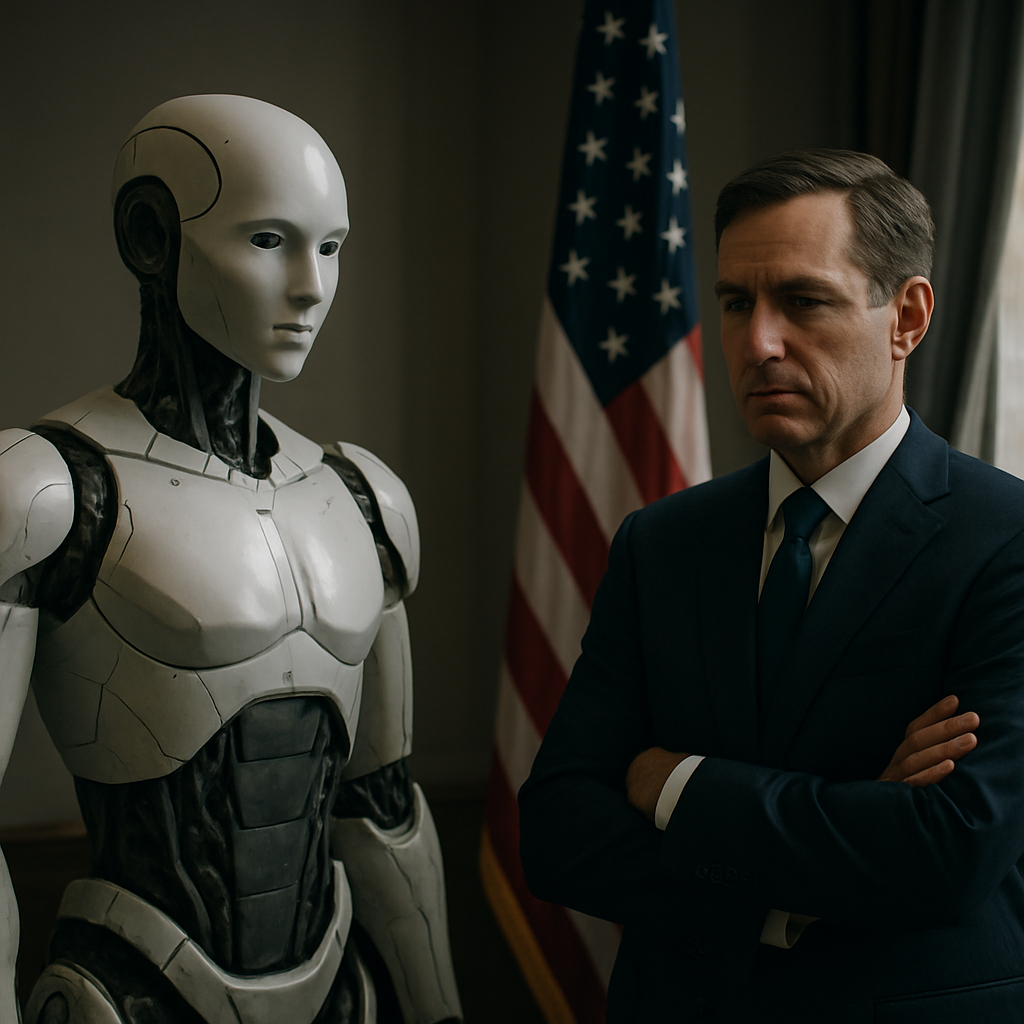
In a significant geopolitical move, the Trump administration has declared a ban on the import of next-generation Chinese humanoid robots, citing unacceptable risks to United States national security. This prohibition affects advanced robotics, including humanoid and four-legged machines, which are predominantly manufactured in China, a nation vying with the US for dominance in robotics and AI innovation.
Additionally, the ban encompasses power inverters crucial for data centers and solar panels, adding another layer to the US's protective measures aimed at bolstering economic stability and safeguarding critical infrastructure. The Federal Communications Commission's (FCC) decision reflects broader concerns that foreign technological integration may compromise domestic security, exemplified by fears of potential data breaches or remote operations by foreign entities.
Beijing has sharply criticized Washington's actions, accusing the US of exploiting national security as a guise for exerting trade pressure, reinforcing a long-standing narrative of international economic protectionism. Chinese officials assert that their advancements in AI and robotics stem from genuine innovation and encourage international collaborations to unleash AI's full beneficial potential without descending into tech-nationalism.
This development follows a series of strategic moves by the US to curb Chinese technological influence, including heightened scrutiny of Chinese exports and trade imbalances. High-profile bans on electric vehicles and semiconductor sales exemplify an ongoing strategy to forestall perceived threats to American technological and military leadership.
The US remains vigilant, highlighting the need for cyber resilience to preclude any instances of espionage or sabotage purportedly linked to foreign-made devices. This stance underscores the complex interplay between globalized tech development and national defense imperatives, encapsulating the tensions shaping today's international tech landscape.
Original news source: Trump administration bans new Chinese humanoid robots – BBC News (BBC)
🎧 Listen:
📖 Vocabulary:
Group or Classroom Activities
Warm-up Activities:
1. Discuss the potential impacts of advanced robotics on your daily life.
2. Share your thoughts on how international politics affects technology trends.
3. List some technological innovations from your country and their global importance.
4. Talk about an instance where technology impacted a country’s security.
5. Debate whether economic protectionism is beneficial or harmful on a global scale.
🤔 Comprehension Questions:
The Trump administration decided to ban the import of next-generation Chinese humanoid robots.
The ban also includes power inverters crucial for data centers and solar panels.
The bans are imposed due to concerns about national security risks posed by foreign technological integrations.
Beijing has sharply criticized the US's actions, calling it an exploitation of national security for trade pressure.
China accuses the US of reinforcing a narrative of international economic protectionism.
Examples include heightened scrutiny of Chinese exports and bans on electric vehicles and semiconductors.
The US maintains a stance of vigilance to ensure national security and mitigate foreign technological threats.
🎧✍️ Listen and Fill in the Gaps:
In a geopolitical move, the Trump administration has declared a ban on the import of next-generation Chinese humanoid , unacceptable risks to United States national security. This prohibition affects advanced robotics, including humanoid and four-legged machines, which are predominantly manufactured in China, a vying with the US for dominance in robotics and AI innovation. Additionally, the ban encompasses power inverters crucial for data centers and solar panels, adding another layer to the US's protective measures aimed at bolstering economic stability and safeguarding critical infrastructure. The Federal Communications Commission's (FCC) decision broader concerns that foreign technological integration may compromise domestic security, exemplified by fears of potential data breaches or remote operations by foreign entities. Beijing has sharply criticized , accusing the US of national security as a guise for exerting trade pressure, a narrative of international economic protectionism. Chinese officials assert that their in AI and robotics stem from innovation and encourage international collaborations to unleash AI's full beneficial potential without descending into tech-nationalism. This development follows a series of strategic moves by the US to curb Chinese technological influence, including heightened scrutiny of Chinese exports and trade imbalances. High-profile bans on electric and semiconductor sales exemplify an ongoing strategy to forestall perceived threats to American technological and military leadership. The US remains vigilant, highlighting the need for cyber to preclude any instances of espionage or sabotage purportedly linked to foreign-made devices. This stance underscores the complex interplay between globalized tech development and national imperatives, encapsulating the tensions today's international tech landscape.
💬 Discussion Questions:
1. How do geopolitical tensions affect technological developments?
2. What measures should countries take to protect their technological assets?
3. Is there a balance between technological advancement and national security?
4. How would you feel if foreign technology was banned in your country?
5. What role does cultural exchange play in technology and innovation?
6. Should countries collaborate more on technological advancements? Why or why not?
7. How does media portrayal influence public perception of international trade?
8. What are the pros and cons of foreign direct investment in the tech sector?
9. Discuss the ethical implications of using AI in national security.
10. Can economic protectionism lead to innovation, or does it stifle it?
11. How might the future look with more AI and robotics in everyday life?
12. What are the risks of tech innovation without collaborative oversight?
Individual Activities
📖💭 Vocabulary Meanings:
Click a dot next to a word, then click the dot next to its meaning to draw a line connecting them.