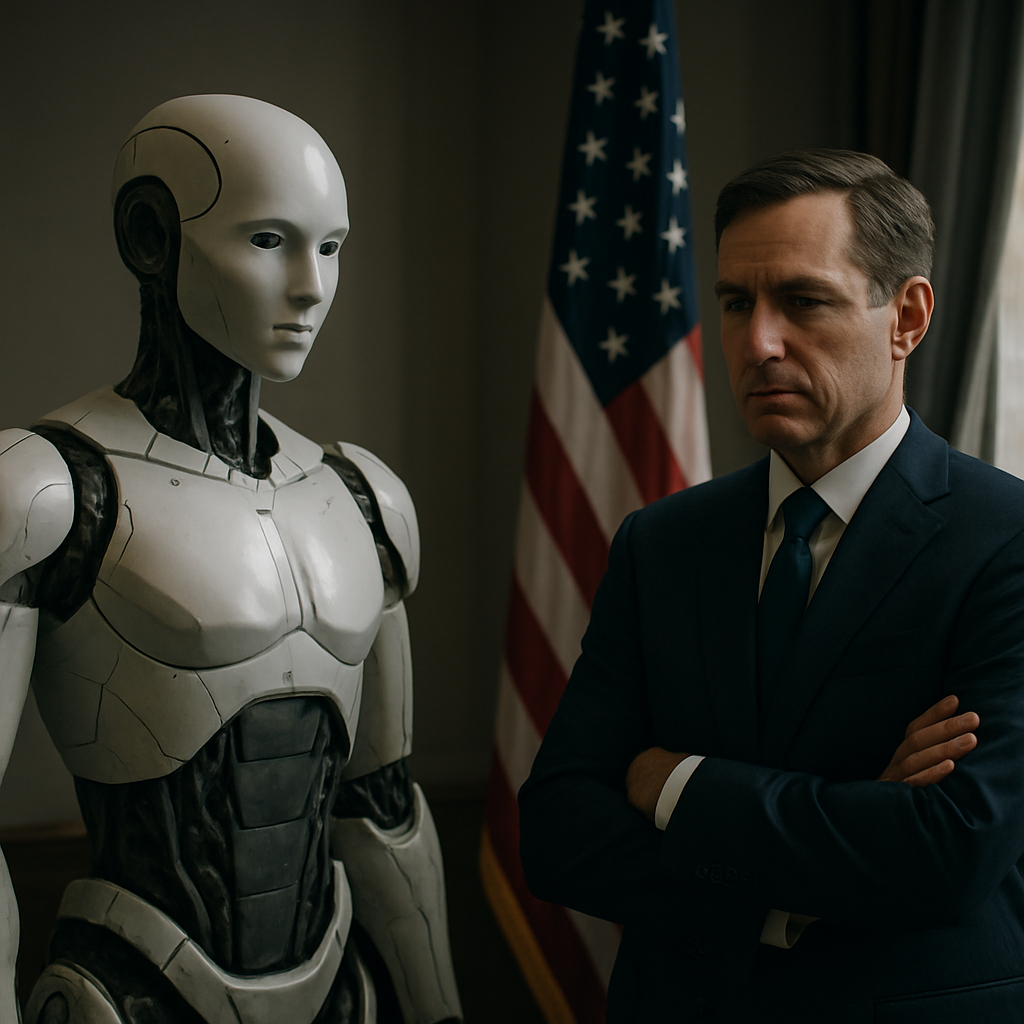
The Trump administration recently announced a ban on the import of new Chinese humanoid robots. The decision was made due to perceived threats to US national security and involves advanced robots, including those with humanoid features. China is currently the top producer of such robots, competing globally to lead in robotics and AI technology.
Besides humanoid robots, the ban also applies to power inverters used in data centers and solar panels. These inverters are feared to present economic risks to the US. This decision is a part of a larger effort by the Federal Communications Commission (FCC) to secure critical supply chains and national safety. Items deemed risky are added to what is known as the Covered List.
Chinese representatives expressed their dissatisfaction, arguing that America is unfairly politicizing trade. They insist on international cooperation to utilize AI technology positively. The Chinese embassy criticizes the US for hindering their companies with unjustified sanctions.
Meanwhile, the US is determined to shield its tech field, citing concerns over data theft, spying, and sabotage. US policymakers are wary of foreign-made devices being used to commandeer or monitor American systems. The ongoing tension with China extends to various technology domains, including electric vehicles and semiconductors.
Original news source: Trump administration bans new Chinese humanoid robots – BBC News (BBC)
🎧 Listen:
📖 Vocabulary:
Group or Classroom Activities
Warm-up Activities:
1. Have you heard of any trade bans between countries before?
2. What do you know about humanoid robots?
3. How do you think robotics and AI affect our lives?
4. Why might a country restrict imports from another country?
5. What are some examples of technology impacting global politics?
🤔 Comprehension Questions:
They announced a ban on the import of new Chinese humanoid robots.
They were included due to fears of economic risks to the US.
The purpose is to secure critical supply chains and national safety.
They expressed dissatisfaction and criticized the US for unfair sanctions.
They are concerned about data theft, spying, and sabotage.
China proposes international cooperation to utilize AI positively.
It extends to technology domains, including electric vehicles and semiconductors.
🎧✍️ Listen and Fill in the Gaps:
The Trump announced a ban on the import of new Chinese humanoid . The decision was made due to perceived threats to US national security and involves advanced robots, including those with humanoid features. China is the top producer of such robots, competing globally to lead in robotics and AI technology. Besides humanoid robots, the ban also applies to inverters used in data centers and panels. These inverters are feared to economic to the US. This decision is a part of a larger effort by the Federal Communications Commission (FCC) to secure critical supply chains and national safety. Items deemed risky are added to what is known as the Covered List. Chinese representatives expressed their , arguing that is unfairly politicizing trade. They insist on international to utilize AI technology positively. The Chinese embassy the US for hindering their companies with unjustified . Meanwhile, the US is determined to shield its tech field, citing concerns over data theft, spying, and sabotage. US policymakers are wary of foreign-made being used to commandeer or American systems. The ongoing tension with China extends to various technology , including electric vehicles and semiconductors.
💬 Discussion Questions:
1. How do you feel about technology becoming more integrated into our lives?
2. Do you think international trade restrictions are fair? Why or why not?
3. How important is national security compared to technological advancement?
4. Can cooperation improve the development of AI technologies?
5. How should countries balance security concerns with the benefits of global trade?
6. What are some potential consequences of banning imports of key technologies?
7. Should technology development be a global effort?
8. What might be the positive and negative effects of AI on jobs?
9. Do you agree with using sanctions as a tool in trade disputes?
10. How can countries address the risks of technological espionage?
11. What role should governments play in regulating advanced technologies?
12. How do these kinds of international tensions affect young people?
Individual Activities
📖💭 Vocabulary Meanings:
Click a dot next to a word, then click the dot next to its meaning to draw a line connecting them.