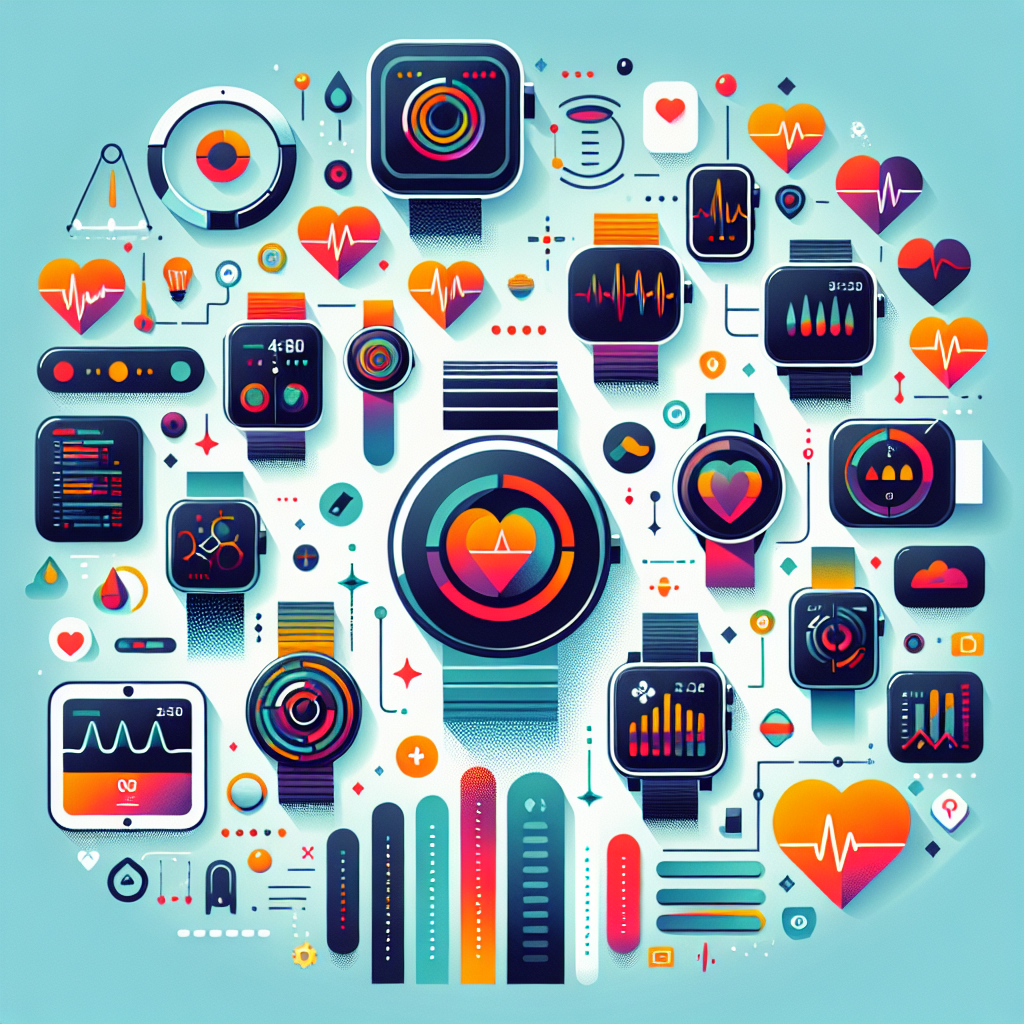
Wearable technology, particularly smartwatches and rings, has become a significant industry focused on health tracking. These devices claim to monitor various health metrics, including heart rate, sleep patterns, and even menstrual cycles. Recently, UK Health Secretary Wes Streeting proposed distributing wearables to millions of NHS patients to help them track symptoms related to treatments, such as those for cancer. Despite the potential benefits, many healthcare professionals express skepticism about the reliability and usefulness of the data generated by these devices.
One personal experience illustrates the potential of wearables. A user reported that their smart ring detected an elevated temperature and restless sleep, suggesting they might be getting sick. Although the user initially dismissed the warning, they later fell ill with gastric flu. This raises an important question: could the data from wearables assist healthcare providers in diagnosing and treating patients? Some brands, like Oura, allow users to share their health data with doctors, but opinions on the practicality of this data vary among medical professionals.
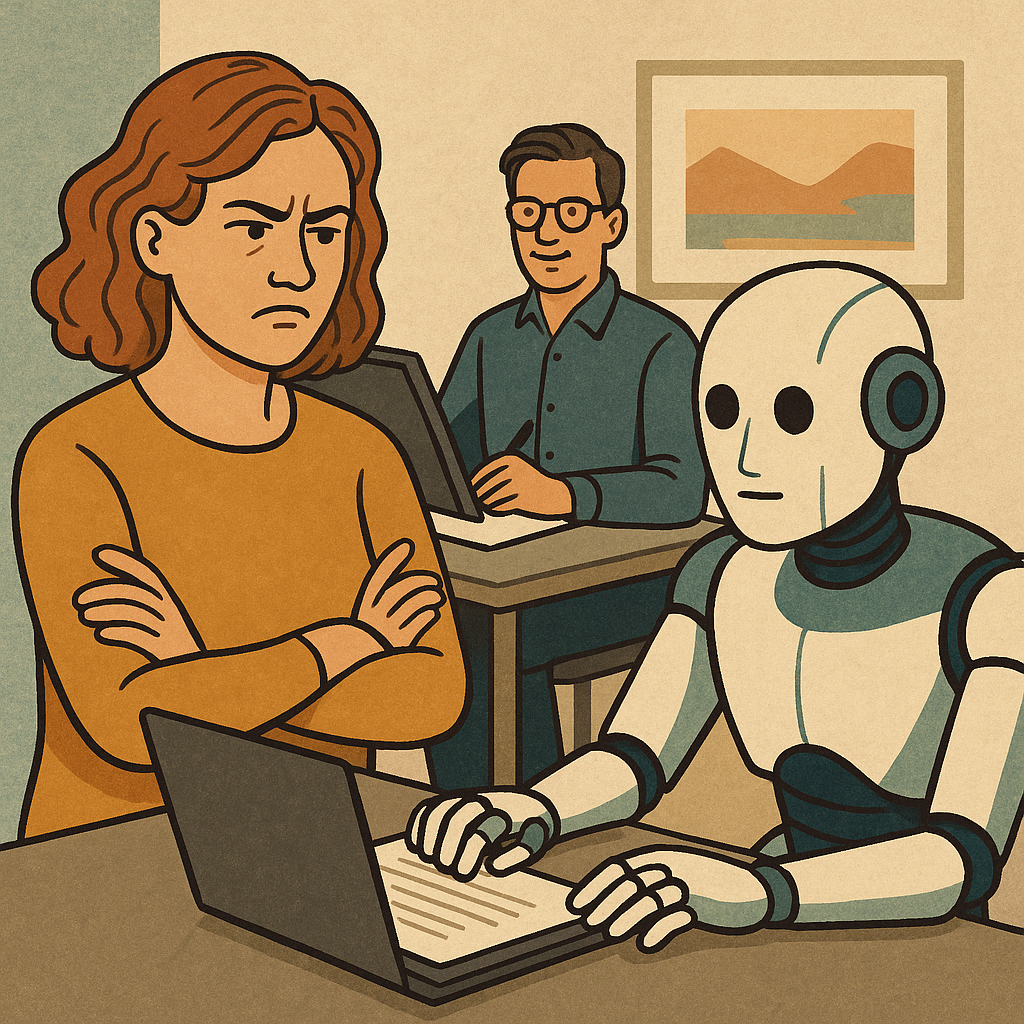
Dr. Jake Deutsch, a clinician who advises Oura, believes that wearable data can enhance health assessments. However, Dr. Helen Salisbury, a general practitioner in Oxford, cautions against over-reliance on these devices. She notes that while some patients are beginning to bring their wearables to appointments, the data they provide may not always be useful. Dr. Salisbury worries that the prevalence of wearables could lead to increased anxiety about health, as patients may feel compelled to seek medical attention for minor fluctuations in their data.
The accuracy of wearable technology is another concern. Dr. Yang Wei, an associate professor in wearable technologies, explains that many factors can affect the reliability of data collected by these devices. For instance, wearables may not continuously monitor vital signs due to battery constraints, and movement can create noise in the data. Furthermore, there is currently no international standard for the sensors and software used in wearables, which can lead to inconsistencies in data quality.
Despite the challenges, there is potential for integrating wearable data into healthcare systems. Pritesh Mistry from the Kings Fund highlights the need for a robust technological infrastructure to support this integration. While wearables could play a role in shifting care from hospitals to community settings, the current lack of standardization and the need for trained healthcare professionals to interpret the data present significant hurdles. As the conversation around wearables continues, it remains crucial to balance their benefits with the need for accurate and reliable health monitoring.
Original news source: Why are doctors wary of wearables? (BBC)
🎧 Listen:
📖 Vocabulary:
Group or Classroom Activities
Warm-up Activities:
– CHARADES
Instructions: Students will act out different wearable technology devices (e.g., smartwatches, smart rings) and health-related activities (e.g., monitoring heart rate, tracking sleep) without speaking. Their classmates will guess what they are portraying. This activity encourages vocabulary recall and enhances understanding of the topic.
– OPINION POLL
Instructions: Students will be divided into small groups and discuss their opinions on the effectiveness and reliability of wearable technology in health tracking. Each group will create a short poll with questions to survey the rest of the class. After collecting responses, groups will present their findings and discuss any differences in opinion.
– MIND MAP
Instructions: In pairs, students will create a mind map on a large piece of paper or a digital platform that visually represents the pros and cons of wearable technology in healthcare. They should include points from the article and their own thoughts. Afterward, each pair will present their mind map to the class.
– FUTURE PREDICTIONS
Instructions: Each student will take a turn making predictions about how wearable technology will evolve in the next five years concerning healthcare. They should consider advancements in technology, potential regulations, or societal changes. After sharing their predictions, the class can discuss the feasibility and implications of these ideas.
– SPEED SUMMARIZING
Instructions: In a timed format, each student will summarize a specific section of the article (e.g., benefits, concerns, expert opinions) to a partner in one minute. After a minute, they will switch roles. This activity helps improve summarization skills and encourages active listening as students share their understanding of the text.
🤔 Comprehension Questions:
Wearable devices claim to monitor various health metrics, including heart rate, sleep patterns, and menstrual cycles.
UK Health Secretary Wes Streeting proposed distributing wearables to millions of NHS patients to help them track symptoms related to treatments, such as those for cancer.
A user reported that their smart ring detected an elevated temperature and restless sleep, suggesting they might be getting sick. Although they initially dismissed the warning, they later fell ill with gastric flu, demonstrating the potential for wearables to assist in health monitoring.
Dr. Helen Salisbury expresses concern that while some patients are bringing their wearables to appointments, the data may not always be useful and could lead to increased anxiety about health, as patients might feel compelled to seek medical attention for minor fluctuations in their data.
Factors that can affect the accuracy of data include battery constraints that limit continuous monitoring of vital signs, movement that can create noise in the data, and the lack of international standards for sensors and software used in wearables, leading to inconsistencies in data quality.
Pritesh Mistry highlights the need for a robust technological infrastructure to support the integration of wearable data into healthcare systems and notes that while wearables could help shift care from hospitals to community settings, there are significant hurdles due to the lack of standardization and the need for trained healthcare professionals to interpret the data.
There is a need for international standards in wearable technology to ensure consistency in data quality and reliability, as the current lack of standardization can lead to discrepancies in the data collected by different devices.
Dr. Salisbury suggests that the prevalence of wearables could lead to increased anxiety about health, as patients may feel compelled to seek medical attention for minor fluctuations in their wearable data.
🎧✍️ Listen and Fill in the Gaps:
Wearable technology, particularly smartwatches and rings, has become a significant industry focused on health tracking. These devices claim to monitor various health metrics, including heart rate, sleep , and even cycles. Recently, UK Health Secretary Wes Streeting distributing wearables to millions of NHS patients to help them track related to treatments, such as those for cancer. Despite the potential benefits, many healthcare professionals express skepticism about the reliability and usefulness of the data generated by these devices. One personal experience illustrates the potential of wearables. A user reported that their smart ring detected an elevated temperature and sleep, suggesting they might be getting sick. Although the user initially dismissed the , they later fell ill with gastric flu. This raises an important question: could the data from s assist providers in diagnosing and treating patients? Some brands, like Oura, allow users to share their health data with doctors, but opinions on the practicality of this data vary among medical professionals. Dr. Jake Deutsch, a clinician who advises Oura, believes that wearable data can enhance health assessments. However, Dr. Helen Salisbury, a general practitioner in Oxford, cautions against over-reliance on these devices. She notes that while some patients are beginning to bring their wearables to appointments, the data they provide may not always be . Dr. Salisbury worries that the prevalence of wearables could lead to increased anxiety about , as patients may feel compelled to seek medical attention for minor fluctuations in their data. The accuracy of wearable technology is another concern. Dr. Yang Wei, an associate in wearable technologies, explains that many factors can affect the reliability of data collected by these . For instance, wearables may not continuously monitor vital signs due to battery constraints, and movement can create noise in the data. Furthermore, there is currently no international standard for the sensors and software used in , which can lead to inconsistencies in data quality. Despite the challenges, there is potential for integrating wearable data into healthcare systems. Pritesh Mistry from the Kings Fund highlights the need for a technological infrastructure to support this integration. While wearables could play a role in shifting care from to community settings, the current lack of standardization and the need for healthcare professionals to interpret the data present significant hurdles. As the conversation around wearables continues, it remains crucial to balance their benefits with the need for accurate and reliable health monitoring.
💬 Discussion Questions:
1. What is your opinion on the use of wearable technology for health tracking?
2. How would you feel if your doctor recommended that you use a wearable device to monitor your health?
3. Do you think wearable technology can replace traditional medical assessments? Why or why not?
4. Have you ever used a wearable device? If so, what was your experience?
5. What is a health metric that you think is most important to track with wearable technology?
6. How do you think the introduction of wearables could change the way we approach health and wellness?
7. Do you like the idea of sharing your health data with your doctor through wearable devices? Why or why not?
8. How would you feel if you received alerts from your wearable device about potential health issues?
9. Do you think the potential anxiety caused by wearable data is a valid concern? Why or why not?
10. What is a challenge you foresee in integrating wearable technology into healthcare systems?
11. How would you respond if a friend or family member became overly worried about their health data from a wearable device?
12. Do you think that the accuracy of wearable technology will improve in the future? Why or why not?
13. What is a benefit of using wearable technology that you believe is often overlooked?
14. How do you think healthcare professionals should be trained to interpret data from wearable devices?
15. Do you believe that there should be international standards for wearable technology? Why or why not?
Individual Activities
📖💭 Vocabulary Meanings:
Click a dot next to a word, then click the dot next to its meaning to draw a line connecting them.
Words
Meanings
🔡 Multiple Choice Questions:
🕵️ True or False Questions:
📝 Write a Summary:
Write a summary of this news article in two sentences.
Check your writing now with the best free AI for English writing!