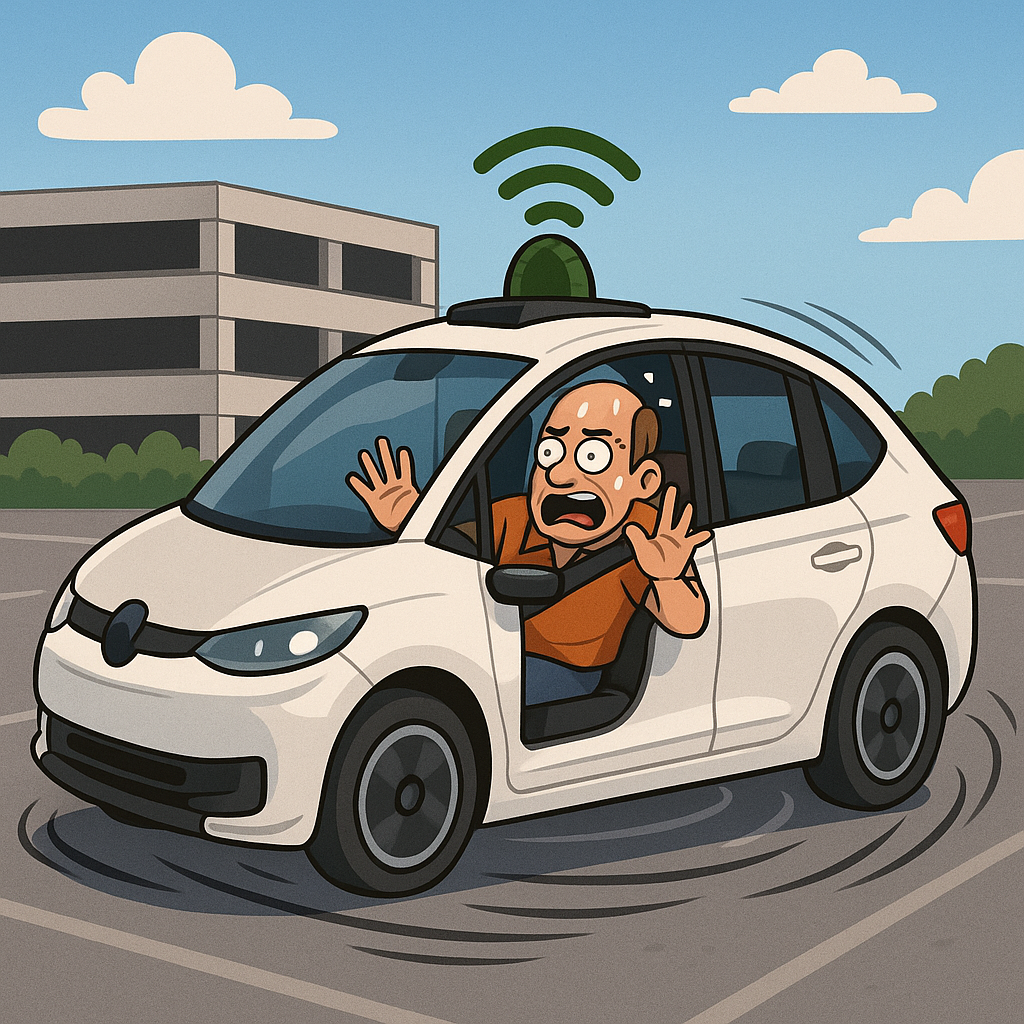
A bank in Ethiopia had a big problem. They lost $14 million because of a computer mistake. This mistake let people take more money than they had. But, the bank got back $10 million because many people gave the money back. The bank said if people don't return the money, they could get in trouble.
Many students took money because of this mistake. They learned about it from messages and calls. The bank is now telling the police about people who took money and didn't give it back. The bank has been around for a long time and has many people using it. They are working to fix the mistake and make sure everyone's money is safe.
Original news source: Customers return $10m taken during bank glitch (BBC)
🎧 Listen:
📖 Vocabulary:
Group or Classroom Activities
Warm-up Activities:
– Charades
Instructions: Divide the class into small groups. Give each group a slip of paper with a word related to the article (e.g. bank, money, mistake, police, etc.). One person from each group will act out the word without speaking, while the rest of the group tries to guess what word it is.
– News Summary
Instructions: Have the students work in pairs. Each pair will read the article and then summarize it in their own words. They can take turns sharing their summaries with the class.
– Opinion Poll
Instructions: Give each student a slip of paper with a question related to the article (e.g. Do you think the bank should have lost all that money? Should the people who took the money be punished?). Have them walk around the classroom and ask their classmates the question, recording their responses. Afterward, have a class discussion and share the different opinions.
– Vocabulary Pictionary
Instructions: Divide the class into small groups. Give each group a set of vocabulary words from the article. One person from each group will pick a word and draw a picture representing it, while the rest of the group tries to guess what word it is. This activity helps reinforce vocabulary and comprehension.
– Think-Pair-Share
Instructions: Have the students think about the article individually for a few minutes. Then, pair them up and have them discuss their thoughts and reactions to the article. Finally, bring the class back together and have a few pairs share their discussions with the rest of the class. This activity encourages critical thinking and speaking skills.
🤔 Comprehension Questions:
The bank had a computer mistake and lost a lot of money.
The bank lost $14 million because of the computer mistake.
The bank got back $10 million.
The bank said people could get in trouble if they didn't return the money.
The students found out about the mistake from messages and calls.
The bank is telling the police about people who took money and didn't give it back.
The bank wants to fix the mistake and make sure everyone's money is safe.
🎧✍️ Listen and Fill in the Gaps:
A bank in Ethiopia had a big problem. They $14 million because of a computer mistake. This mistake let take more money than they had. But, the bank got back $10 million because many people gave the money back. The bank said if people don't return the money, they could get in . students took money because of this mistake. They learned about it from messages and calls. The bank is now telling the about people who money and didn't give it back. The bank has been around for a long time and has many people using it. They are working to fix the and make sure everyone's is safe.
💬 Discussion Questions:
1. What is a bank?
2. How would you feel if you lost a lot of money because of a mistake?
3. Do you think it's important to give back money if you took it by mistake? Why or why not?
4. Have you ever made a mistake with money? What happened?
5. Do you think the bank should punish people who didn't give back the money? Why or why not?
6. How do you think the bank can fix the mistake?
7. Have you ever received a message or a call that gave you important information? What was it about?
8. Do you think it's easy to keep everyone's money safe? Why or why not?
9. What would you do if you found a lot of money that wasn't yours?
10. Do you think the bank should give a reward to the people who returned the money? Why or why not?
11. How do you think the bank can prevent this kind of mistake from happening again?
12. Do you like using banks? Why or why not?
Individual Activities
📖💭 Vocabulary Meanings:
Click a dot next to a word, then click the dot next to its meaning to draw a line connecting them.
Words
Meanings
🔡 Multiple Choice Questions:
🕵️ True or False Questions:
📝 Write a Summary:
Write a summary of this news article in two sentences.
Check your writing now with the best free AI for English writing!