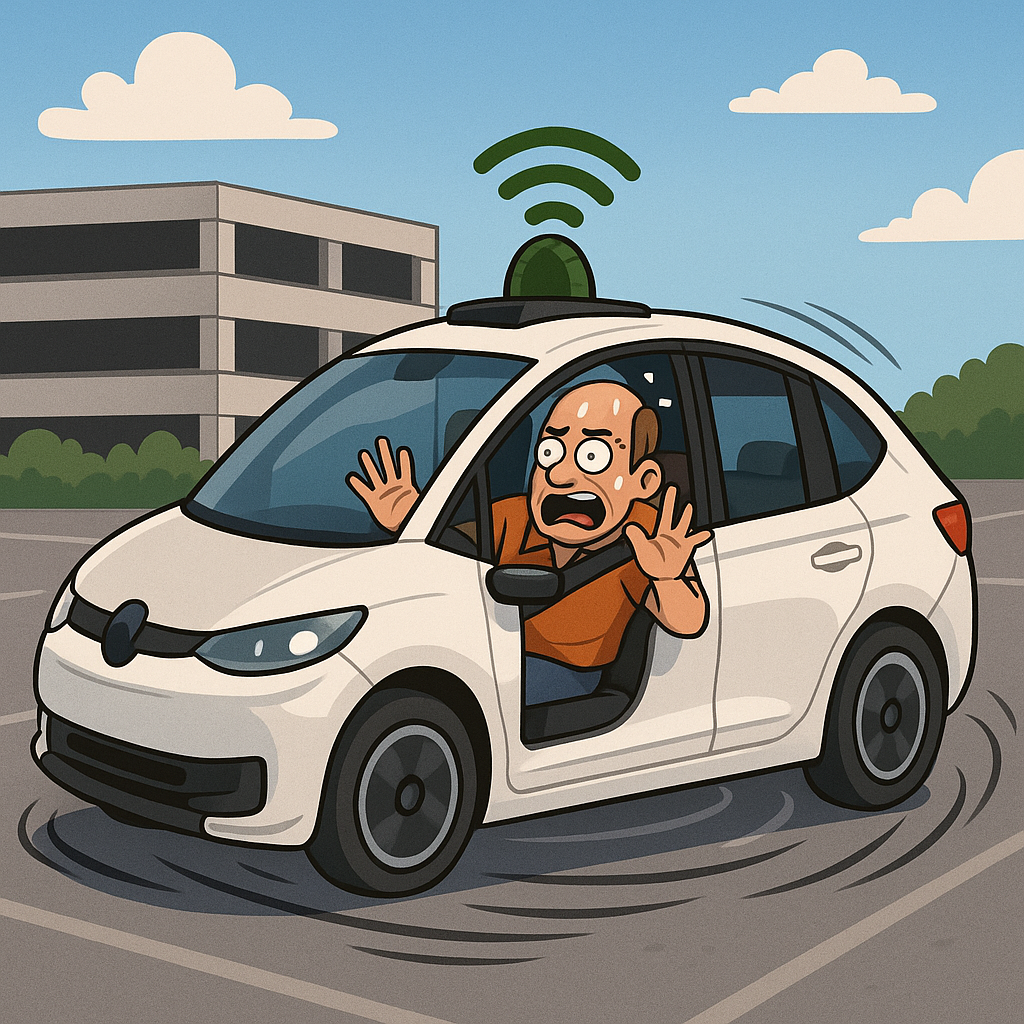



Ethiopia's largest bank, the Commercial Bank of Ethiopia (CBE), has announced that it has recovered nearly $10 million of the $14 million it lost during a technical glitch that allowed customers to withdraw more money than they had in their accounts. The bank's head, Abe Sano, stated that thousands of customers voluntarily returned the cash, but warned that those who did not would face criminal charges. Most of the money was withdrawn by university students, who learned of the glitch through messaging apps and phone calls. The bank has assured customers that their personal accounts were not affected and that the glitch was not the result of a cyber-attack.
Several universities released statements urging students to return any money that did not belong to them. The CBE is in the process of reporting customers to the police and believes that they will be able to trace and hold them accountable for their actions. Initially, it was reported that over $40 million was lost in the glitch. However, it has been more challenging for the bank to track money transferred to other banks compared to funds moved to another CBE account. The glitch resulted in a total of 490,000 transactions before the problem was identified.
The CBE, which has been in operation for 82 years and serves over 38 million account holders, has not provided specific details about the technical issue that caused the glitch. However, it has emphasized that the personal accounts of customers remain secure. The recovery of a significant portion of the lost funds is a positive development for the bank and demonstrates its commitment to resolving the issue. The incident serves as a reminder of the importance of robust technical systems and the need for customers to act responsibly in such situations.
Original news source: Customers return $10m taken during bank glitch (BBC)
🎧 Listen:
📖 Vocabulary:
Group or Classroom Activities
Warm-up Activities:
– News Summary
Instructions: In pairs or small groups, students will read the article and create a concise summary of the main points. They should focus on the key details and use their own words to summarize the information.
– Opinion Poll
Instructions: Students will discuss the following question: "Do you think the university students who withdrew money during the glitch should face criminal charges? Why or why not?" They will then conduct a poll, asking their classmates for their opinions and tallying the results. Finally, they will share the overall findings with the class.
– Vocabulary Pictionary
Instructions: Each student will be given a vocabulary word from the article. They will have a few minutes to create a simple drawing that represents the word. Once everyone has finished, students will take turns showing their drawings to the class and asking their classmates to guess the word.
– Headline Creation
Instructions: Students will work in pairs or small groups to create a catchy headline for the article. They should aim to capture the main idea or highlight an interesting aspect of the story. After brainstorming and discussing their ideas, each group will present their headline to the class.
– Pros and Cons
Instructions: Students will form two groups: one group will argue the pros of the bank's decision to press criminal charges against customers who did not return the money, and the other group will argue the cons. Each group will have a few minutes to prepare their arguments, and then they will take turns presenting their points to the class. After both sides have presented, students can engage in a class discussion to share their own opinions.
🤔 Comprehension Questions:
🎧✍️ Listen and Fill in the Gaps:
's largest bank, the Bank of Ethiopia (CBE), has announced that it has recovered nearly $10 million of the $14 million it lost during a technical glitch that allowed customers to withdraw more money than they had in their accounts. The bank's head, Abe Sano, stated that thousands of customers voluntarily returned the cash, but that those who did not would face criminal charges. Most of the money was by university students, who learned of the glitch through messaging apps and phone calls. The bank has customers that their personal accounts were not affected and that the glitch was not the result of a cyber-attack. Several universities statements students to return any money that did not belong to them. The CBE is in the process of reporting customers to the police and that they will be able to trace and hold them accountable for their . Initially, it was that over $40 million was lost in the glitch. However, it has been more challenging for the bank to track transferred to other banks compared to funds to another CBE account. The glitch resulted in a total of 490,000 transactions before the problem was identified. The CBE, which has been in operation for 82 years and serves over 38 million account holders, has not provided specific details about the technical that caused the . However, it has emphasized that the personal accounts of remain secure. The recovery of a significant portion of the lost funds is a positive development for the bank and demonstrates its commitment to resolving the issue. The incident as a reminder of the importance of robust technical systems and the need for customers to act responsibly in such situations.
💬 Discussion Questions:
1. What would you do if you discovered a glitch that allowed you to withdraw more money than you had in your bank account?
2. How do you think the university students who withdrew the extra money feel now that they are facing criminal charges?
3. Do you think the bank should have provided more specific details about the technical issue that caused the glitch? Why or why not?
4. How would you feel if you were one of the customers whose money was affected by the glitch?
5. Do you think the university students who returned the extra money voluntarily should still face criminal charges? Why or why not?
6. What is the responsibility of the bank in ensuring the security of their customers' accounts?
7. How do you think the glitch could have been prevented in the first place?
8. Do you think the bank should offer any compensation to the customers who were affected by the glitch? Why or why not?
9. How do you think the bank's reputation will be affected by this incident?
10. What measures do you think should be put in place to prevent similar glitches from happening in the future?
11. How would you feel if you were a customer of the bank and your personal account was affected by the glitch?
12. Do you think the university students who withdrew the extra money should face any consequences for their actions? Why or why not?
13. How do you think the bank should handle the customers who did not voluntarily return the extra money?
14. Do you think the bank's recovery of a significant portion of the lost funds is a success? Why or why not?
15. How would you feel if you were a customer of the bank and you found out that your personal account was not affected by the glitch?
Individual Activities
📖💭 Vocabulary Meanings:
Click a dot next to a word, then click the dot next to its meaning to draw a line connecting them.
Words
Meanings
🔡 Multiple Choice Questions:
🕵️ True or False Questions:
📝 Write a Summary:
Write a summary of this news article in two sentences.
Check your writing now with the best free AI for English writing!