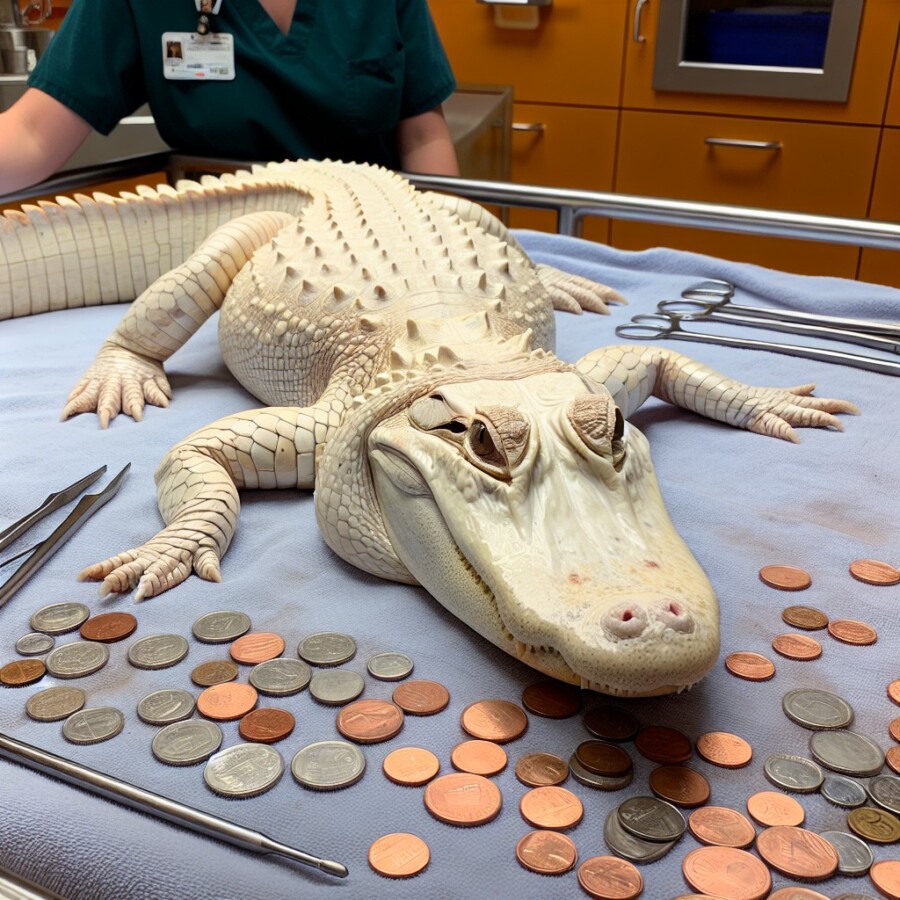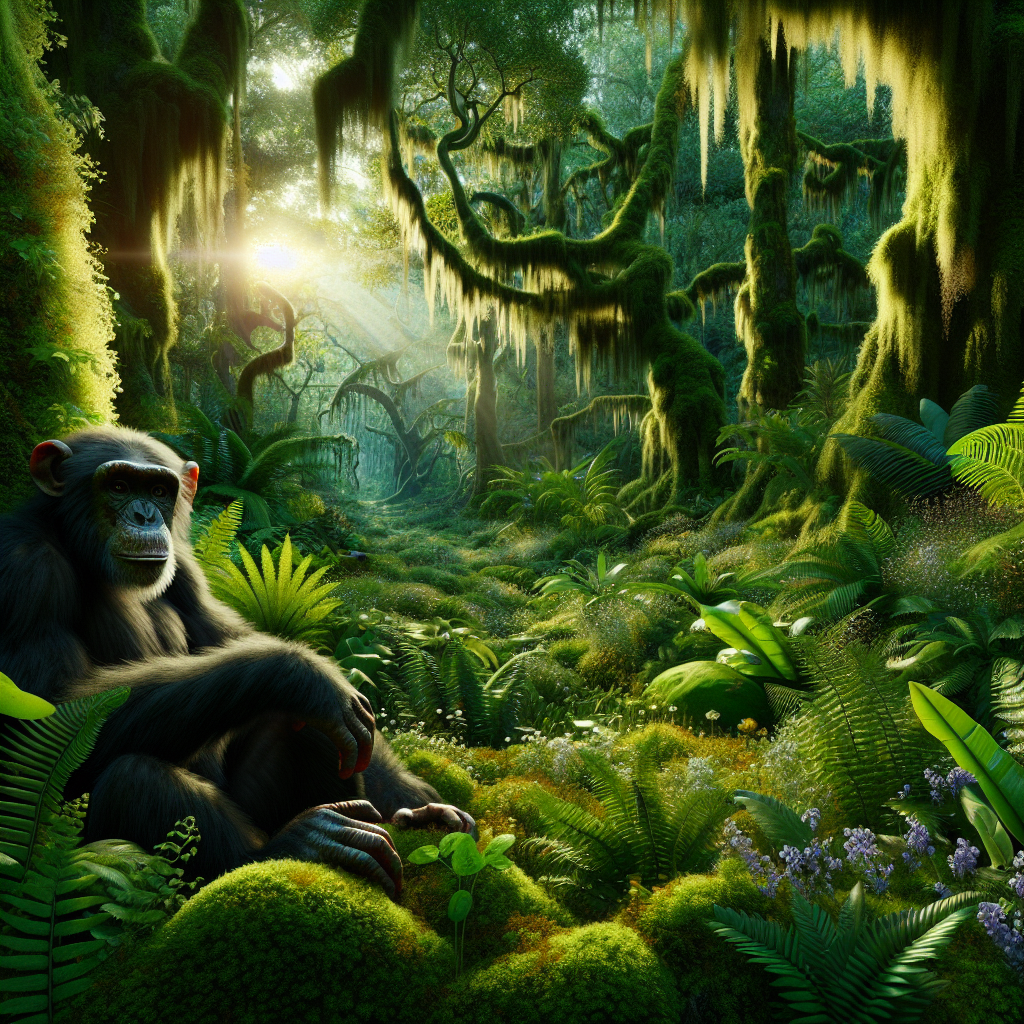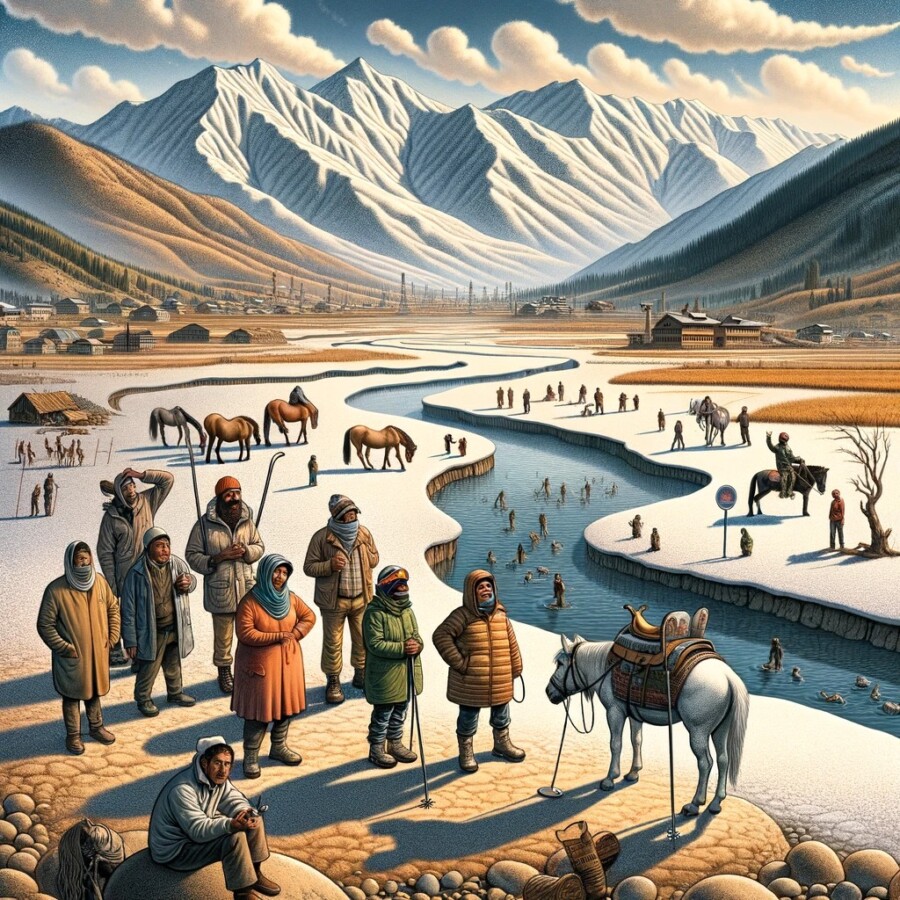
The smart people also found new bugs, frogs, and saw some jumping animals and pretty birds. The place they went to was hard to walk in because it had big rocks, snakes that could make you sick, and bugs that stick to your skin. They worked hard and found many new bugs, a shrimp that lives in trees, and a big hole in the ground that no one knew about before. They hope that finding these animals and bugs will help keep the place safe so that all the special living things there can stay safe and not go away.
Original news source: First-ever images prove 'lost echidna' not extinct (BBC)
📖 Vocabulary:
Group or Classroom Activities
Warm-up Activities:
– Charades
Instructions: Before class, prepare cards with words related to the article, such as "animal," "spikes," "long nose," "mountains," "videos," "bugs," "frogs," "birds," and "rocks." Divide students into two teams. Students take turns drawing a card and then acting out the word without speaking while their teammates guess the word. Set a time limit for each turn, like 1 minute. This activity helps students with vocabulary recall and non-verbal communication skills.
– Sketch It
Instructions: Provide students with paper and pencils. Read out short sentences or phrases from the article, such as "special animal with spikes," "big mountains," "pretty birds," and "big hole in the ground." Students must quickly sketch their interpretation of the sentence or phrase. Afterward, students can show their drawings and explain in simple English what they drew, practicing their speaking and listening skills.
– Headline Creation
Instructions: Explain to the students that headlines are important for summarizing news stories. Give them a brief overview of the article in simple English. Then, ask the students to create a catchy headline that could fit the story. They can work in pairs to come up with their headline and then share it with the class, which encourages creativity and understanding of main ideas.
– Vocabulary Pictionary
Instructions: Write down key vocabulary from the article on individual cards, like "spikes," "long nose," "big mountains," "shrimp," "trees," and "hole." Split the class into two teams. Players take turns drawing a word from the pile for their team to guess, without writing letters or numbers. Set a timer for each round. This game helps with word recognition and understanding of key concepts from the article.
– Think-Pair-Share
Instructions: Ask a question related to the article, such as "Why is it important to find and protect special animals and bugs?" Students first think about the question individually, then pair up with a classmate to discuss their thoughts, and finally, share their ideas with the whole class. This activity encourages personal reflection, collaborative learning, and public speaking practice.
🤔 Comprehension Questions:
They found a very special animal with spikes and a long nose.
They found it in a faraway place with big mountains.
The animal is very old, like from the time of the dinosaurs.
The smart people were very happy to see it.
They found new bugs, frogs, jumping animals, and pretty birds.
The place was hard to walk in because it had big rocks, snakes that could make you sick, and bugs that stick to your skin.
They hope that finding these animals and bugs will help keep the place safe so the special living things can stay safe and not go away.
🎧✍️ Listen and Fill in the Gaps:
Some smart people found a very special animal with and a long nose that people thought was forever. They took videos of it in a faraway place with big mountains. This animal is very old, like from the time of the dinosaurs. The smart were very to see it. Even a famous man who loves animals was very happy about this. The smart people also found new bugs, frogs, and saw some jumping animals and pretty birds. The place they went to was hard to in because it had big rocks, snakes that could make you sick, and that stick to your skin. They worked hard and found many new bugs, a shrimp that lives in trees, and a big hole in the ground that no one knew about before. They hope that finding these and bugs will help keep the place safe so that all the special things there can stay safe and not go away.
💬 Discussion Questions:
1. What is your favorite animal with spikes?
2. How would you feel if you saw an animal you thought was gone?
3. Do you like to watch videos of animals?
4. What is a long nose? Can you think of an animal with a long nose?
5. Do you think it's good to find animals that are very old? Why?
6. Have you ever been to a place with big mountains?
7. What is a bug? Do you like bugs?
8. Can you jump like a jumping animal? What animal jumps high?
9. Do you think frogs are cute or scary? Why?
10. What color are pretty birds you know?
11. Would you like to walk in a place with big rocks and snakes? Why or why not?
12. Do you think it's important to keep special animals safe? Why do you think that?
Individual Activities
📖💭 Vocabulary Meanings:
Click a dot next to a word, then click the dot next to its meaning to draw a line connecting them.
Words
Meanings
🔡 Multiple Choice Questions:
🕵️ True or False Questions:
📝 Write a Summary:
Write a summary of this news article in two sentences.
Check your writing now with the best free AI for English writing!