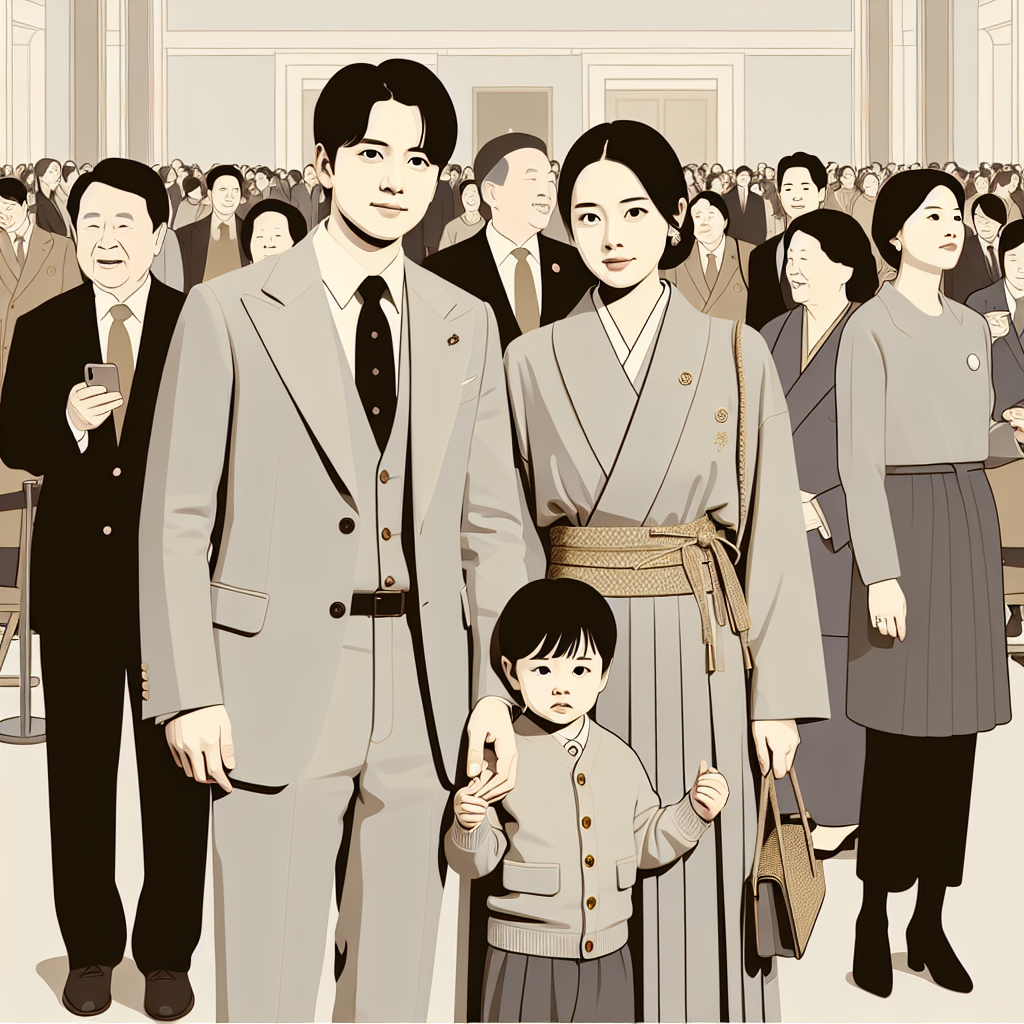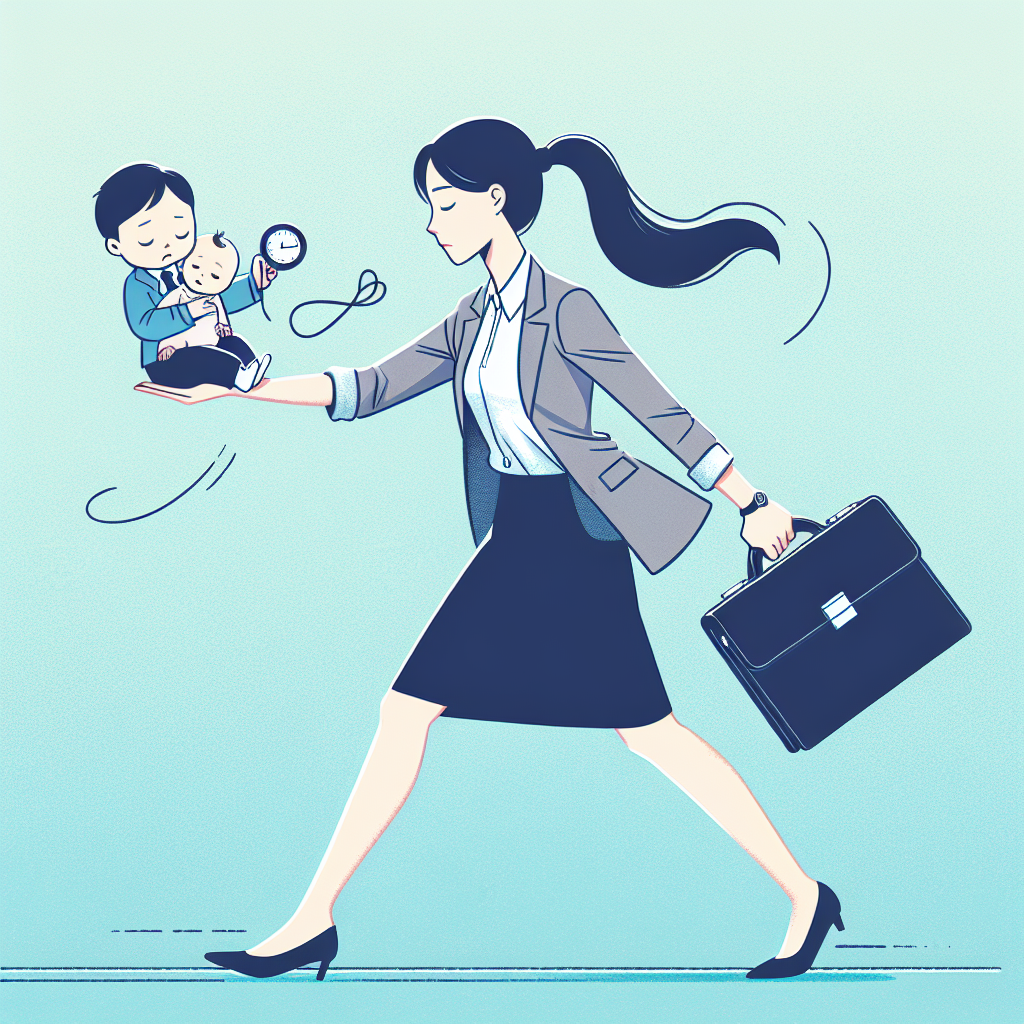
South Korea has a big problem because not many babies are being born. This is the biggest problem of its kind in the whole world. If things don't change, there will be a lot fewer people in South Korea by the year 2100. The government tried to give money to families to help them have more babies, but it didn't work. Many women in South Korea don't want to have babies because it's hard to find a good partner, work takes up too much time, and living and learning cost a lot of money.
One big reason women don't want to have babies is that it's hard to find someone who wants to help take care of the baby and the house. People in South Korea work a lot, and it's hard for women to work and take care of a family at the same time. Also, houses and schools cost a lot of money, so having a baby is very expensive. The president of South Korea said the old ways to try to fix this problem didn't work. Now, the government is trying to think of new ways to help, but we don't know yet if these new ideas will make more women want to have babies.
Original news source: Why South Korean women aren't having babies (BBC)
🎧 Listen:
📖 Vocabulary:
Group or Classroom Activities
Warm-up Activities:
– Charades
Instructions: Divide the class into small groups. Each group takes turns selecting a word or phrase related to the article, and acting it out without speaking. The other groups must guess what they are portraying.
– Sketch It
Instructions: Give each student a piece of paper and a pen or pencil. In pairs, students take turns describing a scene or concept from the article while their partner sketches it. After a set amount of time, students compare their sketches and discuss what they drew.
– Vocabulary Pictionary
Instructions: Write a list of vocabulary words from the article on the board or on flashcards. Divide the class into two teams. One student from each team takes turns selecting a word and drawing it on the board while their team tries to guess what it is. The team with the most correct guesses wins.
– Opinion Poll
Instructions: Create a list of statements related to the article, such as "Having a baby is too expensive" or "Women should prioritize their careers over having children." Have students move to different areas of the classroom to indicate whether they strongly agree, agree, disagree, or strongly disagree with each statement. Afterward, facilitate a class discussion about the different opinions.
– Future Predictions
Instructions: In pairs, students take turns making predictions about what South Korea will be like in the future based on the information in the article. They can discuss topics such as population, family structure, and government policies. Afterward, students share their predictions with the class.
🤔 Comprehension Questions:
South Korea is having a big problem because not many babies are being born.
If things don't change, there will be a lot fewer people in South Korea by the year 2100.
The government tried to give money to families to help them have more babies.
Many women in South Korea don't want to have babies because it's hard to find a good partner, work takes up too much time, and living and learning cost a lot of money.
It is hard for women in South Korea to work and take care of a family at the same time because people in South Korea work a lot, and it's hard to find someone to help take care of the baby and the house.
Having a baby in South Korea is very expensive because houses and schools cost a lot of money.
The government is trying to think of new ways to help, but we don't know yet if these new ideas will make more women want to have babies.
🎧✍️ Listen and Fill in the Gaps:
South Korea has a big problem because not many are being born. This is the problem of its kind in the whole world. If things don't change, there will be a lot fewer people in South Korea by the year 2100. The government tried to give money to families to help them have more babies, but it didn't work. Many women in South don't want to have babies because it's hard to find a good partner, work up too much time, and living and learning cost a lot of money. One big reason women don't want to have babies is that it's hard to find someone who wants to help care of the baby and the house. People in South Korea work a lot, and it's hard for women to work and take care of a family at the same time. Also, houses and schools cost a lot of , so having a baby is very expensive. The of South Korea said the old ways to try to fix this problem didn't work. Now, the government is to think of new ways to help, but we don't know yet if these new ideas will make more women want to have babies.
💬 Discussion Questions:
1. What is the problem in South Korea?
2. How would you feel if there were fewer people in your country?
3. Do you like babies? Why or why not?
4. What is a good partner?
5. How do you think work takes up too much time?
6. Do you think it's hard to take care of a family and work at the same time? Why or why not?
7. Why do you think having a baby is expensive?
8. What are some ways the government tried to help families have more babies?
9. How do you think the government can help more women want to have babies?
10. Do you know someone who takes care of a baby and works? How do they do it?
11. How do you think the government can make it easier for people to have babies?
12. Do you think it's important for a country to have more babies? Why or why not?
Individual Activities
📖💭 Vocabulary Meanings:
Click a dot next to a word, then click the dot next to its meaning to draw a line connecting them.
Words
Meanings
🔡 Multiple Choice Questions:
🕵️ True or False Questions:
📝 Write a Summary:
Write a summary of this news article in two sentences.
Check your writing now with the best free AI for English writing!