Free Materials For ESL Teachers and Learners

English Newsroom

Learn English through news articles - complete lesson plans, including articles, listening, classroom activities, quiz questions and more!

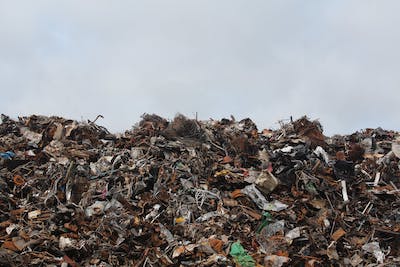
People in the UK throw away lots of electric things

Try this article at a different level?

The study also showed that people are throwing away less electronic waste than they did in 2017. This is partly because electronic items are getting lighter and more people are recycling. But, many people still have unused electronic items at home that could be used better. Nadiya Catel-Arutyunova, who advises on sustainability at the British Retail Consortium, reminded that stores selling electronics have to help customers get rid of their old electronic items, no matter where they bought them.

Material Focus is a group that does not make money and works to promote recycling. It gets money from fees paid by electronic makers when they don't recycle enough, as required by the government. The group is asking people to recycle their electronics and is giving information on where to recycle locally through the Recycle Your Electricals website.

Original news source: Nearly half a billion small tech items thrown away (BBC)

πŸ“– Vocabulary:

1. study
2. electronic
3. recycle
4. waste
5. items
6. home
7. materials
8. promote

Group or Classroom Activities

Warm-up Activities:

– Charades
Instructions: Divide the class into small groups. Give each group a list of electronic items mentioned in the article (cables, lights, mini fans, single-use vapes, etc.). One student from each group will act out a word from the list without speaking, while the rest of the group tries to guess the word.
– News Summary
Instructions: Have the students read the article individually or in pairs. Afterward, ask them to write a summary of the article in their own words. Then, have them share their summaries with a partner and compare their answers.
– Opinion Poll
Instructions: Prepare a list of questions related to the article, such as "Do you recycle your electronic items?" or "Should stores be responsible for helping customers recycle their old electronic items?". Have students walk around the classroom and ask their classmates the questions, recording their responses. Afterward, have a class discussion to share the results.
– Vocabulary Pictionary
Instructions: Create a list of vocabulary words from the article, such as "recycle", "electronic waste", "sustainability", etc. Divide the class into teams and give each team a word to illustrate through a quick drawing. The team that guesses the correct word first gets a point.
– Keyword Hangman
Instructions: Choose several keywords from the article and write a series of blanks on the board to represent the letters in each word. Have the students take turns guessing letters to fill in the blanks. If a student guesses a correct letter, write it in the corresponding space. If they guess incorrectly, start drawing a hangman. The students must guess the keyword before the hangman is complete.

πŸ€” Comprehension Questions:

🎧✍️ Listen and Fill in the Gaps:

A study by Material Focus found that people in the UK threw away almost 500 million small electronic items last year. These items, like cables, lights, mini fans, and single-use vapes, are the fastest type of electronic . Every home has about 30 unused electronic items that are just collecting . These items have useful materials like copper wires and lithium batteries that can be recycled, so Focus is asking people to recycle them instead of them away. The also showed that people are throwing away less electronic waste than they did in 2017. This is partly because electronic items are getting lighter and more people are recycling. But, many people still have unused items at that could be used better. Nadiya Catel-Arutyunova, who advises on sustainability at the British Retail , reminded that stores selling electronics have to help customers get rid of their old electronic items, no matter where they bought them. Material Focus is a group that does not make and works to promote recycling. It gets money from fees by electronic makers when they don't recycle enough, as required by the government. The group is people to recycle their electronics and is giving information on where to recycle locally through the Recycle Your Electricals website.

πŸ’¬ Discussion Questions:

1. What are some examples of small electronic items that people throw away?
2. How would you feel if you found out that your home has 30 unused electronic items?
3. Do you like recycling? Why or why not?
4. What do you think are some useful materials that can be found in electronic items?
5. How would you feel if you found out that people are throwing away less electronic waste than before?
6. Do you have any unused electronic items at home? If yes, what are they and why haven't you used them?
7. What do you think stores selling electronics should do to help customers get rid of their old electronic items?
8. What is Material Focus and what is their goal?
9. Do you think it's important to recycle electronics? Why or why not?
10. Have you ever recycled any electronic items? If yes, where did you recycle them?
11. How do you think Material Focus gets money to promote recycling?
12. Have you ever visited the Recycle Your Electricals website? If yes, what information did you find there?

Individual Activities

πŸ“–πŸ’­ Vocabulary Meanings:

Click a dot next to a word, then click the dot next to its meaning to draw a line connecting them.

Words

1. study
2. electronic
3. recycle
4. waste
5. items
6. home
7. materials
8. promote

Meanings

(A) The place where you live
(B) To turn something old into something new
(C) A research project to learn new information
(D) Things that can be used again to make something new
(E) Devices that use electricity, like phones and computers
(F) Things that are thrown away because they are not needed anymore
(G) To encourage people to do something, like recycling
(H) Things that you have, like clothes and toys

πŸ”‘ Multiple Choice Questions:

1. What did the study by Material Focus find?
(a) People in the UK threw away almost 500 million small electronic items last year.
(b) People in the UK recycled almost 500 million small electronic items last year.
(c) People in the UK bought almost 500 million small electronic items last year.
(d) People in the UK repaired almost 500 million small electronic items last year.
2. Which of the following is NOT mentioned as an example of small electronic items?
(a) Lights
(b) Laptops
(c) Mini fans
(d) Cables
3. How many unused electronic items does the average home in the UK have?
(a) About 10
(b) About 50
(c) About 100
(d) About 30
4. Why does Material Focus ask people to recycle their small electronic items?
(a) Because they are heavy and take up too much space.
(b) Because they have useful materials that can be recycled.
(c) Because they are dangerous and should not be thrown away.
(d) Because they are valuable and can be sold for money.
5. Why are people throwing away less electronic waste than before?
(a) Electronic items are getting heavier and more people are recycling.
(b) Electronic items are getting more expensive and more people are recycling.
(c) Electronic items are getting lighter and more people are recycling.
(d) Electronic items are getting cheaper and more people are recycling.
6. What does Nadiya Catel-Arutyunova advise stores selling electronics to do?
(a) Help customers get rid of their old electronic items.
(b) Sell more electronic items to customers.
(c) Stop selling electronic items altogether.
(d) Only help customers if they bought their electronic items from that store.
7. How does Material Focus get money to promote recycling?
(a) From fees paid by customers when they recycle their electronic items.
(b) From fees paid by the government to promote recycling.
(c) From fees paid by electronic makers when they don't recycle enough.
(d) From fees paid by stores selling electronics.
8. Where can people find information on where to recycle their electronics?
(a) At stores selling electronics.
(b) On the Recycle Your Electricals website.
(c) In the Material Focus study.
(d) From the British Retail Consortium.

πŸ•΅οΈ True or False Questions:

These small electronic items are not the fastest growing type of electronic waste.
Material Focus is a group that opposes recycling and is asking people not to recycle their electronics through the Recycle Your Electricals website.
A study showed that people in the UK are throwing away less electronic waste compared to 2017.
This is because electronic items are becoming heavier and fewer people are recycling.
Last year, people in the UK kept and reused almost 500 million small electronic items like cables, lights, mini fans, and single-use vapes.
These unused electronic items have valuable materials like copper wires and lithium batteries that can be recycled.
However, many people still have unused electronic items at home that could be put to better use.
Each home in the UK has about 30 unused electronic items that are just sitting around.

πŸ“ Write a Summary:

Write a summary of this news article in two sentences.
Check your writing now with the best free AI for English writing!


Writing Questions:

1. What did a study find about the amount of small electronic items thrown away in the UK last year?
2. What are some examples of small electronic items that people throw away?
3. Why is it important to recycle these small electronic items instead of throwing them away?
4. Why are people throwing away less electronic waste now compared to 2017?
5. How does Material Focus get money to promote recycling?

How about these other Level 2 articles?

Online
Class
Writing
Coach
β˜• 컀피 3μž” &
무료 ν”Όλ“œλ°±! πŸŽ“
β˜• 컀피 3μž” & 무료 ν”Όλ“œλ°±! πŸŽ“

X

[100% 온라인] λž­μ»€μŠ€ν„° λŒ€ν•™κ΅ μ˜μ–΄ 연ꡬ μ°Έμ—¬μž λͺ¨μ§‘
λ³„λ„μ˜ μ°Έκ°€λΉ„ 없이 영ꡭ λŒ€ν•™ 연ꡬ에 도움도 μ£Όμ‹œκ³ , 무료 μ˜μ–΄ μ‹€μ „ μ—°μŠ΅κ³Ό ν”Όλ“œλ°±λ„ λ°›μ•„λ³΄μ„Έμš”!

영ꡭ λž­μ»€μŠ€ν„° λŒ€ν•™κ΅(Lancaster University)μ—μ„œ ν•œκ΅­μΈ μ˜μ–΄ ν•™μŠ΅μžλΆ„λ“€μ„ λŒ€μƒμœΌλ‘œ μƒˆλ‘œμš΄ 연ꡬ ν”„λ‘œμ νŠΈλ₯Ό μ§„ν–‰ν•©λ‹ˆλ‹€. μ „ κ³Όμ • 온라인으둜 μ§„ν–‰λ˜μ–΄ μ–΄λ””μ„œλ“  νŽΈν•˜κ²Œ μ°Έμ—¬ν•˜μ‹€ 수 μžˆμŠ΅λ‹ˆλ‹€. μ—¬λŸ¬λΆ„μ˜ μ†Œμ€‘ν•œ μ°Έμ—¬λ‘œ ν•œκ΅­μΈμ˜ μ˜μ–΄ μ‚¬μš© 방식을 μ•Œμ•„λ³΄λŠ” ν₯미둜운 연ꡬ가 μ™„μ„±λ©λ‹ˆλ‹€.

🎁 μ°Έμ—¬ ν˜œνƒ:
– 원어민 μ—°κ΅¬μ›κ³Όμ˜ 1:1 νšŒν™” μ—°μŠ΅
– μ‹€μ „ μ˜μž‘ μ—°μŠ΅ & λ§žμΆ€ν˜• μ˜μ–΄ ν”Όλ“œλ°± 리포트
– 컀피 κΈ°ν”„ν‹°μ½˜ 총 3μž” μ„ λ¬Ό! (첫 μ„Έμ…˜ ν›„ 1μž”, λ§ˆμ§€λ§‰ μ„Έμ…˜ μ™„λ£Œ ν›„ 2μž” 더 λ“œλ €μš”! β˜•β˜•)

πŸ“… μ°Έμ—¬ 방식: 총 2회의 온라인 μ„Έμ…˜ (Zoom 등을 이용, 각 μ„Έμ…˜λ‹Ή μ•½ 60~80λΆ„ μ†Œμš”) λ§ν•˜κΈ°μ™€ μ“°κΈ° ν™œλ™μ΄ μ„žμ—¬ μžˆμ–΄ λΆ€λ‹΄ 없이 즐겁게 μ°Έμ—¬ν•˜μ‹€ 수 μžˆμŠ΅λ‹ˆλ‹€.

βœ… λŒ€μƒ: μ˜μ–΄ μ‹€λ ₯에 상관없이 μ°Έμ—¬λ₯Ό ν¬λ§ν•˜λŠ” 18μ„Έ 이상 ν•œκ΅­μΈ λˆ„κ΅¬λ‚˜

Feedback