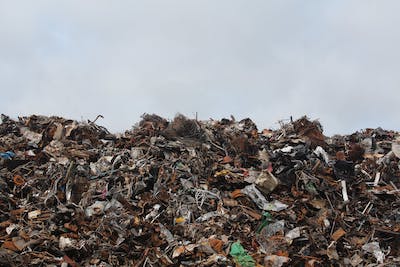
The study also says that people are throwing away less electric waste than before. This is because electric things are lighter now and more people are recycling. But, many people still have unused electric things at home that could be used better. Nadiya Catel-Arutyunova, a helper at the British Retail Consortium, says that all shops that sell electric things should help customers throw away their old electric things. Material Focus, a group that wants more recycling, is asking people to recycle their electric things and is telling them where they can recycle on the Recycle Your Electricals website.
Original news source: Nearly half a billion small tech items thrown away (BBC)
📖 Vocabulary:
Group or Classroom Activities
Warm-up Activities:
– Charades
Instructions: Divide the class into two teams. One student from each team will come to the front of the class. Give each student a word or phrase related to the article (e.g. e-waste, recycling, electric things). They must act out the word or phrase without speaking, and their team members must guess what it is. The team that guesses correctly earns a point. Continue until all students have had a turn or for a set amount of time.
– Vocabulary Pictionary
Instructions: Divide the class into pairs. Give each pair a list of vocabulary words from the article (e.g. e-waste, recycle, cables). One student will choose a word and draw a picture to represent it, while their partner tries to guess the word. After a set amount of time, switch roles and continue with a new word.
– Headline Creation
Instructions: Provide the class with a selection of words from the article (e.g. e-waste, recycling, unused). In pairs or small groups, students must create a catchy headline using as many of the words as possible. Encourage creativity and originality. Each group can share their headline with the class and discuss why they chose those words.
– Think-Pair-Share
Instructions: Have students think about the following question: "Why is it important to recycle electronic waste?" Pair them up and give them a few minutes to discuss their thoughts. Then, have students share their ideas with another pair or with the whole class. Encourage discussion and ask follow-up questions to promote critical thinking.
– Future Predictions
Instructions: Ask students to imagine what the future will be like if people continue to throw away electronic waste instead of recycling. In pairs or small groups, have them discuss and make predictions about the potential consequences and challenges. Each group can share their predictions with the class and engage in a class discussion.
🤔 Comprehension Questions:
The study said that people in the UK threw away a lot of small electric things last year.
The most common types of small electric things to be thrown away are cables, lights, mini fans, and throw-away vapes.
Most homes have around 30 unused electric things.
It is important to recycle these things because they have valuable materials like copper wires and batteries that can be used again.
People are throwing away less electric waste than before.
People are throwing away less electric waste now because electric things are lighter and more people are recycling.
Material Focus is asking people to recycle their electric things instead of throwing them away.
🎧✍️ Listen and Fill in the Gaps:
A study by Material Focus says that people in the UK threw away many small electric things last year. These things like cables, lights, mini , and throw-away vapes are the most growing type of e-waste. Most homes have 30 electric things just sitting around. These things good stuff like copper wires and batteries that we can use again. Material Focus is asking people to recycle these things instead of them away. The study also says that people are throwing away less electric waste than before. This is because electric things are lighter now and more people are recycling. But, people still have unused electric things at home that could be used better. Nadiya Catel-Arutyunova, a helper at the British Retail Consortium, says that all that sell electric things should help customers throw away their old electric things. Material Focus, a group that wants more recycling, is asking people to their electric things and is telling them where they can recycle on the Recycle Your website.
💬 Discussion Questions:
1. What is e-waste?
2. How would you feel if you had many unused electric things at home?
3. Do you like throwing things away or recycling them? Why or why not?
4. Do you think it's important to recycle electric things? Why or why not?
5. What are some examples of small electric things that people throw away?
6. How many unused electric things do you think most homes have?
7. What can we do with the copper wires and batteries from these electric things?
8. How do you think shops that sell electric things can help customers recycle their old electric things?
9. Why do you think people are throwing away less electric waste now?
10. Have you ever recycled any electric things before? If yes, what did you recycle?
11. Do you think it's easy or difficult to find places to recycle electric things? Why or why not?
12. What can we do to encourage more people to recycle their electric things?
Individual Activities
📖💭 Vocabulary Meanings:
Click a dot next to a word, then click the dot next to its meaning to draw a line connecting them.
Words
Meanings
🔡 Multiple Choice Questions:
🕵️ True or False Questions:
📝 Write a Summary:
Write a summary of this news article in two sentences.
Check your writing now with the best free AI for English writing!